
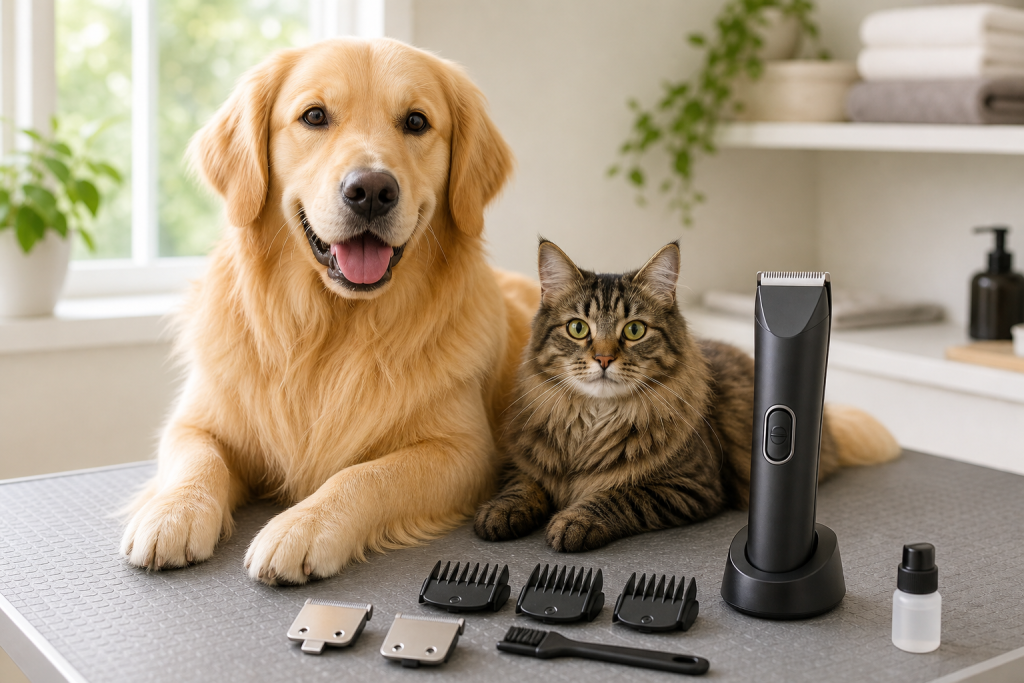
A cheap paw-pad trimmer can be useful, but only if it has the right small head, stays cool, and is quiet enough for your dog to tolerate. The mistake is buying it like a normal clipper, then discovering it is too bulky for the hair between the pads or too weak to cut cleanly. Before checkout, compare the blade head, charging time, cleaning steps and return window, not just the “low noise” claim.
Why Paw Trimmers Are Showing Up in Dog Grooming Carts
Summer and travel season make muddy paws, slick floors and quick home grooming more noticeable. Long hair between paw pads can hold dirt and moisture, and many owners look for a small cordless trimmer instead of booking a full grooming appointment for one minor job.
That does not mean every mini trimmer is a good deal. Some listings use the same broad promises as full-size clippers, but paw work is a tighter, more sensitive task. The useful purchase is the tool that gives you control for small areas, not the one with the biggest accessory bundle.
The Checkout Checks That Matter Most
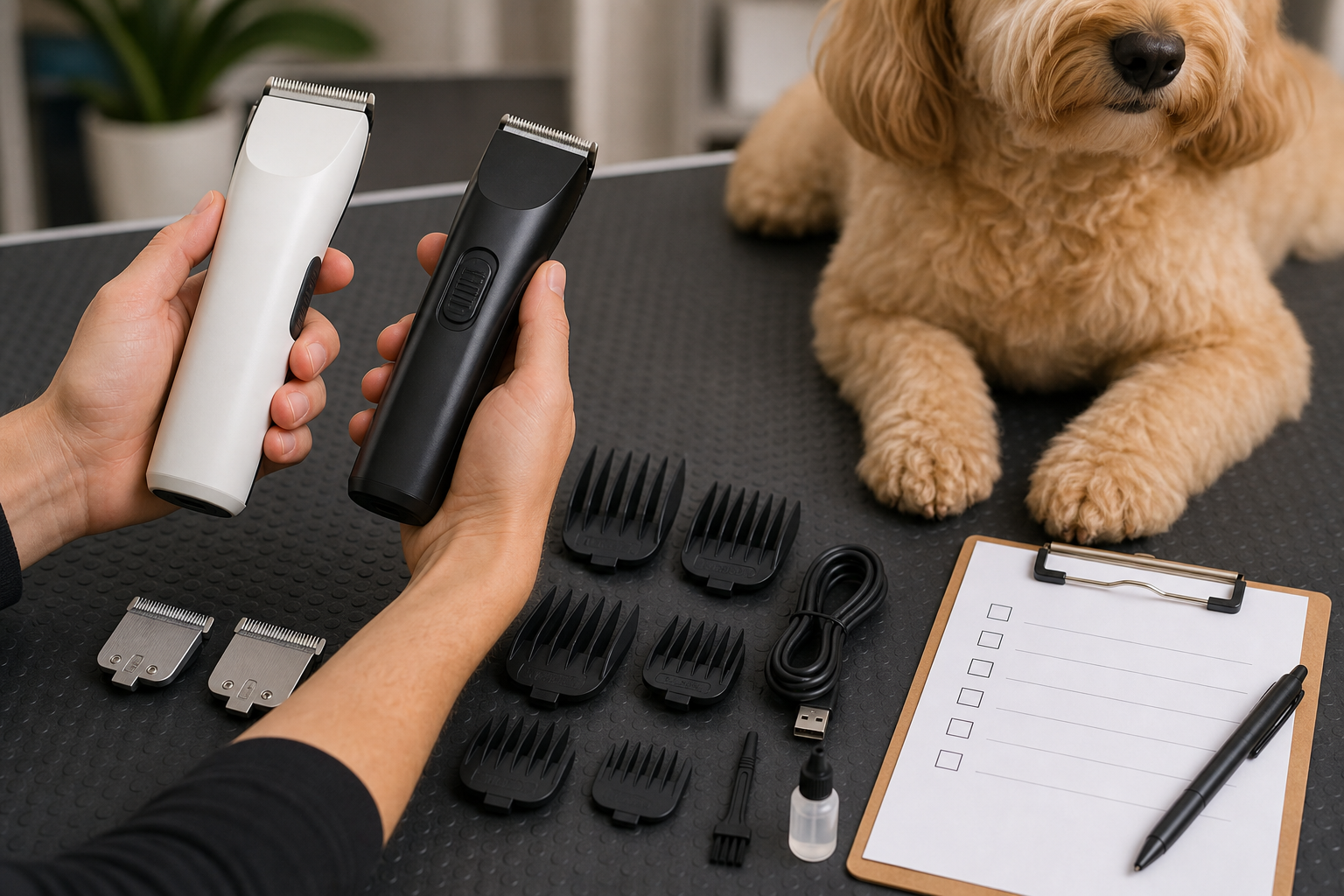
Start with the head size. A paw-pad trimmer should have a narrow head or compact detail head for paws, face and other hard-to-reach areas. If the product photos only show body clipping, the tool may be awkward under the foot.
Check blade care next. Wahl’s clipper guidance says blades need cleaning, oiling and dry storage, and that clippers should not be run without blade oil. That matters for cheap trimmers because a dull, dirty or hot blade can turn a small grooming task into a bad experience.
Battery details are worth reading closely. A cordless trimmer that needs a long charge for a short runtime may be fine for one small dog, but frustrating for two dogs or a large breed with heavy paw furnishings. If the charger is proprietary, check whether replacement cords are available before you buy a second cheap unit later.
Noise claims need context. “Low vibration” and “quiet” can help, but they are not guarantees that your dog will accept the tool. Chewy’s grooming guidance suggests desensitizing dogs to clippers by introducing the sound and feel gradually before actually cutting hair.
When the Deal Is Not Really Saving You Money
A paw trimmer deal gets weaker if it ships with many combs you will not use, no replacement blade path, no clear cleaning instructions, or a return policy that closes before you can test it calmly. Do not pay extra for a kit just because it includes scissors, nail files and guards if the trimmer itself is not the right size.
Also check whether the product is meant for detail work or full-body clipping. A full-size clipper can be too large around paw pads, while a tiny detail trimmer may be too slow for body mats. If you need both jobs done, one cheap tool may not replace a groomer or a proper clipper set.
For coupons, verify the final cart after shipping and any marketplace seller changes. A small discount can disappear if the listing moves to a third-party seller with slower shipping, a shorter return window or no replacement parts. Avoid assuming a “2026 upgraded” title means better support.
What to Avoid
Do not force a paw trim if your dog is panicking, painful, limping or guarding the foot. Ask your vet or a professional groomer first when there is soreness, swelling, broken skin, embedded debris or heavy matting between the toes. A shopping guide cannot rule out a medical or handling problem.
Avoid using household scissors deep between paw pads unless you have the skill and visibility to do it safely. Rounded-tip scissors may help with surface tidying, but a moving dog and tight toe spaces are a poor place for guesswork.
Skip any trimmer listing that hides blade size, charging method, cleaning requirements or return terms. If the only selling points are a dramatic before-and-after photo and a noise number, you do not have enough information to judge the deal.
A Simple Buying Framework
- For small dogs: prioritize a narrow head, light weight and easy grip over a powerful motor.
- For thick paw hair: look for a sharp detail blade, clear cleaning instructions and a realistic return window.
- For nervous dogs: favor low vibration, gradual introduction and a tool you can hold steadily.
- For multi-dog homes: check runtime, charge time, blade heat and whether replacement blades are sold.
- For first-time home grooming: choose a modest detail trimmer and stop if the dog resists. A groomer visit can be cheaper than turning grooming into a fight.
Quick Answers
Is a paw trimmer the same as a nail grinder?
No. A paw trimmer cuts hair around small areas such as paw pads, while a nail grinder files nails. Do not buy one expecting it to do the other’s job.
Should every dog have paw-pad hair trimmed?
No. Some dogs have little hair there, and some tolerate professional grooming better than home trimming. The purchase makes most sense when paw hair regularly traps dirt, moisture or debris and your dog can be handled calmly.
What is the biggest red flag in a cheap paw trimmer deal?
A listing that does not explain the blade head, charging method, cleaning steps or return policy is risky. The discount is less important than whether you can use, clean and replace the tool safely.
Sources
Sources last checked August 1, 2026, 19:39 Europe/Rome.