
#battery safety
#dog walking gear
#pet tech deals
#rechargeable hand warmer
A rechargeable hand warmer can make cold dog walks easier, but the recent OCOOPA recall shows why a cheap two-pack should not go straight into your coat pocket without a safety check. Before buying one for winter walks, confirm the model, seller, battery instructions, refund terms and whether a simpler glove or disposable warmer would be safer for your routine. If you already own a recalled OCOOPA unit, follow the recall instructions instead of using it on another walk.
The shopping lesson is not that every rechargeable hand warmer is unsafe. It is that small battery-powered heat gadgets are easy to buy on sale, easy to store near leashes and gloves, and easy to forget until the weather turns cold. That makes model numbers, batch numbers, charger compatibility and recall pages worth checking before checkout.
Why this matters now
On July 30, 2026, the U.S. Consumer Product Safety Commission announced a recall of about 1.5 million OCOOPA rechargeable lithium-ion battery hand warmers. CPSC said the recalled hand warmers can overheat and ignite, creating fire and burn hazards. The agency also reported overheating complaints, fires, burn injuries and one death connected with the recalled products.
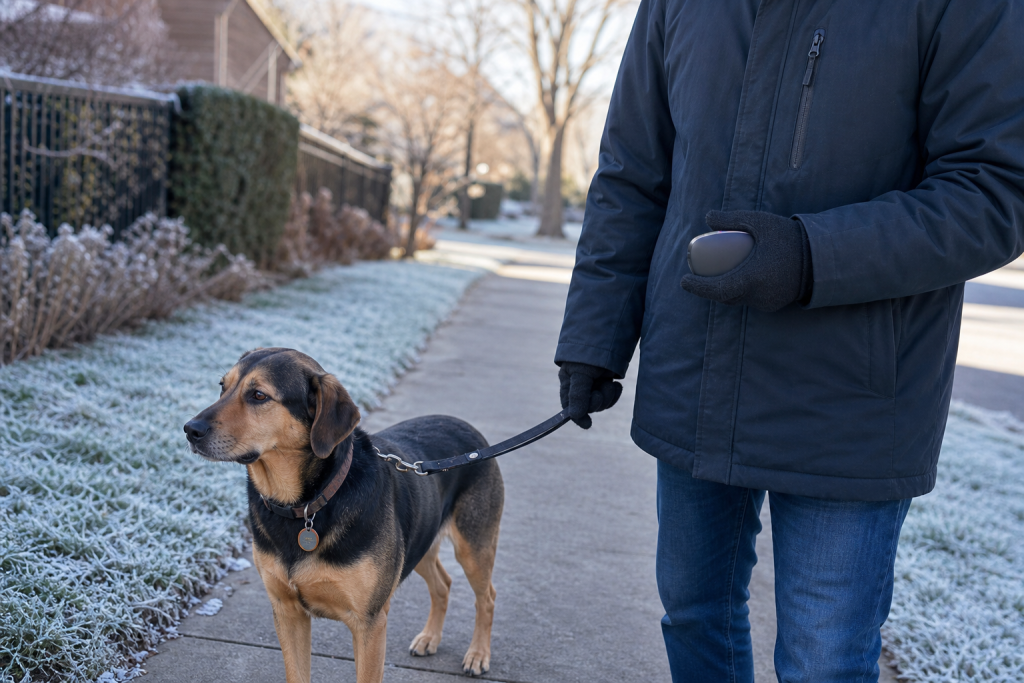
For pet owners, the overlap is practical. Rechargeable hand warmers are often marketed for commuting, camping, sports and winter walks, the same situations where dog owners are holding a leash, poop bags, treats and sometimes a phone. A device that is buried in a coat pocket, tossed in a dog-walking bin or charged overnight near fabric deserves more scrutiny than an ordinary glove.
The recalled product is a human comfort accessory, not a dog product. Still, it belongs in a pet-shopping guide because dog walkers often buy cold-weather gear alongside leashes, boots, reflective harnesses and paw balm. If the warmer fails, the risk is to the person holding it and to anything flammable nearby, including coats, bedding, bags and home entryway storage.
The checkout checks that matter
Start with the exact model, not the listing headline. CPSC identifies recalled OCOOPA models including UT3053, UT3056, ZLS-118, ZLS-118S, ZLS-118D, H01 and H01(PD). If you are comparing a deal, look for the model number, batch number location and importer or seller name before you rely on a product photo.
Check whether the warmer has clear charging instructions. A useful listing should explain the included cable, compatible input, expected charging behavior and what to do if the device becomes unusually hot, swollen, cracked, wet or damaged. Vague language such as “USB charging” is not enough when the product spends time in pockets and bags.
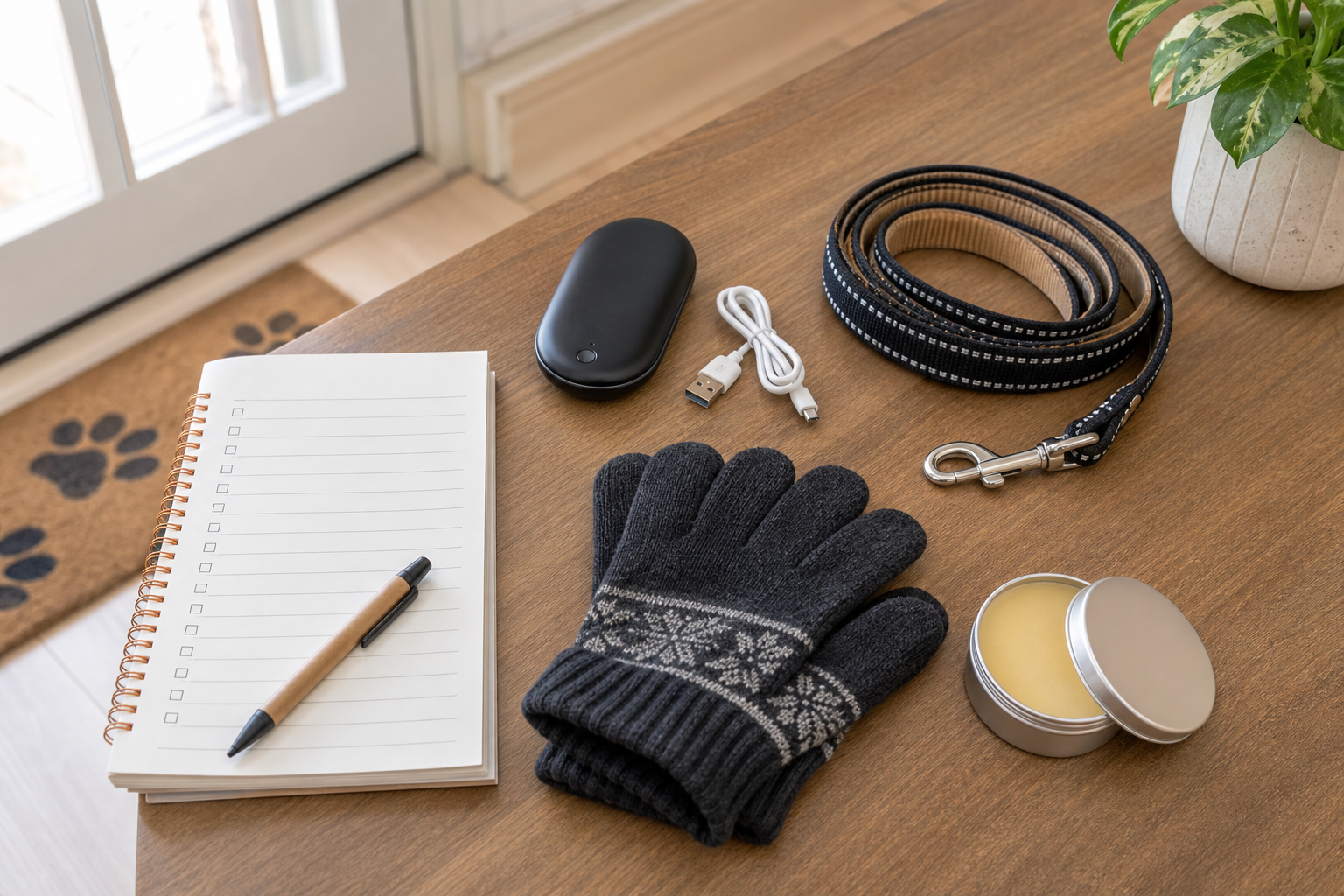
Look at where you will store it. A hand warmer kept in a leash basket beside fabric gloves, waste bags, coats or pet towels should have a hard off switch, a way to prevent accidental activation and instructions for storage when it is not in use. If you cannot tell whether the device is off without guessing, that is a reason to slow down.
Do not let the sale price hide the battery risk
A lower price can be useful only if the product is clearly identified. Before paying, search the brand and model with the word “recall.” Check the CPSC recall database for battery-powered warming products, especially if the listing is old, the seller name differs from the brand name or the warmer is sold through a marketplace.
Read the return window before you buy seasonal gear early. A hand warmer bought during a summer or back-to-school sale may sit unused until the first cold snap. If the return window ends before you can test it, the deal is weaker. For marketplace listings, also check whether returns go through the retailer, the third-party seller or the manufacturer.
Be careful with bundles. A two-pack can look cheaper per unit, but it also doubles the number of devices you need to charge, store and track. If you walk one dog for ten minutes at a time, thick gloves may be the better deal. If you handle long morning walks, training sessions or senior-dog potty breaks in winter, a warmer may be useful, but only if the safety details are clear.
What to do if you already own one
If your hand warmer matches the recalled OCOOPA models, do not use it for another dog walk. CPSC says consumers should stop using the recalled hand warmers immediately and contact OCOOPA Direct for a refund. OCOOPA’s recall page tells consumers not to dispose of the unit until their recall request has been reviewed and they receive instructions.
Do not toss a lithium-ion warmer into ordinary household trash just because it is small. CPSC’s recall notice warns against putting recalled products in trash, regular recycling or battery collection bins. Follow the recall process and your local hazardous-waste rules.
If a device has overheated, leaked, swollen, sparked, smoked or smelled odd, keep pets and people away from it and follow local fire-safety or disposal guidance. This article is shopping guidance, not emergency advice.
Better buying rules for winter dog-walk heat gear
Match the purchase to the walk. Short potty breaks usually need warm gloves, good grip and a visible leash more than a rechargeable gadget. Longer walks may justify a hand warmer, but only after you confirm charging, storage and return details.
Keep the warmer for the human, not the dog. Do not strap a human hand warmer to a pet, place it inside a crate or bed, or use it as a substitute for a properly fitted coat, dry shelter or shorter walks in very cold weather. AVMA notes that dog walks may need to be shortened in very cold weather, especially for animals with age, coat, weight or health factors that make cold harder on them.
Separate charging from pet storage. Charge rechargeable devices on a hard, open surface and keep cords away from chewing. A dog-walking shelf that also holds treats, towels, poop bags and leashes is convenient, but it is the wrong place to leave a warming device charging unattended.
Finally, keep the receipt and packaging until you know the device is not part of a recall. Packaging often carries model and batch details that are harder to find later. If you throw it away immediately, a future recall check becomes slower.
What to avoid
Avoid listings that hide the model number, show multiple product shapes under one listing or use copied-looking images from several brands. Avoid damaged-box or open-box warmers unless the return route is clear and you can verify the exact unit. Avoid charging with random high-output adapters if the manufacturer does not say they are compatible.
Skip any deal that encourages you to ignore a recall because the product still “works.” A warmer can turn on and still be part of a serious safety notice. A refund process is worth more than trying to squeeze one more winter walk out of a recalled battery product.
Quick answers
Is this a pet product recall?
No. The CPSC recall is for OCOOPA rechargeable hand warmers. The pet-shopping angle is that dog owners often buy and use these devices during cold walks.
Should dog owners avoid all rechargeable hand warmers?
No. The better rule is to check recalls, model numbers, charging instructions, storage, seller identity and return terms before buying or using one.
Can I use a hand warmer to warm my dog?
Do not use a human rechargeable hand warmer as pet heating gear unless a veterinarian or the product’s pet-specific instructions support that use. For cold-weather walks, focus on fit, dry gear, short exposure and your dog’s tolerance.
What should I check before paying?
Confirm the model, batch-number location, seller, recall history, charger requirements, return window and whether the product will be unused past the return date.
Sources
- U.S. Consumer Product Safety Commission, OCOOPA Direct recall of rechargeable hand warmers, July 30, 2026: CPSC recall notice.
- OCOOPA product recall instructions: OCOOPA recall page.
- CPSC battery hazard context: CPSC batteries topic page.
- American Veterinary Medical Association, cold weather animal safety: AVMA cold weather guidance.
- ASPCA, cold weather safety tips: ASPCA cold weather tips.
Sources last checked: August 1, 2026, 16:35 Europe/Rome.