
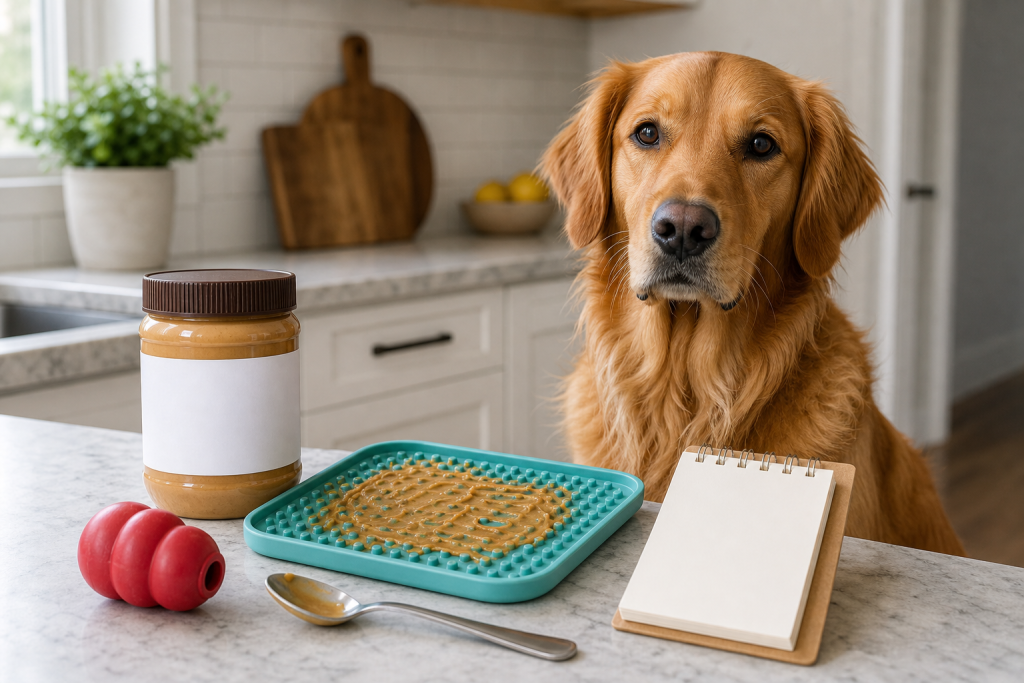
#dog treats
#Lick mats
#peanut butter for dogs
#xylitol
A peanut butter deal for dog treats is only useful if the jar is safe for dogs before it is cheap. The word to check is xylitol, which may also appear as birch sugar or wood sugar, and it should rule out the jar immediately for dog use. After that, the real checkout test is portion size, salt, sugar, storage and whether a giant tub will be used safely before it goes stale.
Peanut butter keeps showing up in dog shopping carts because it does several jobs at once. Owners use it on lick mats, inside treat toys, on pill pockets, during grooming distractions and as a high-value training reward. That makes a grocery sale or pet-store bundle tempting, especially when a large jar looks cheaper per ounce. The problem is that this is one of those products where the ingredient panel matters more than the front label.
Why this matters now
Dog enrichment toys and lick mats remain common everyday purchases, and many of them are marketed around spreadable fillers. Peanut butter is also a familiar pantry item, so shoppers often compare it like ordinary human food instead of a dog treat ingredient. FDA guidance warns that xylitol can be poisonous to dogs and notes that some peanut and nut butters may contain it. The ASPCA also lists xylitol among people-food risks for pets, with possible low blood sugar and liver damage depending on the amount ingested.
This article is not saying every jar of peanut butter is unsafe for dogs. It is saying the discount is not the first thing to check. If the jar is going into a dog toy, pill routine or repeat treat order, read the ingredient list before you compare coupon savings, subscription discounts or bulk sizes.
The label check before checkout
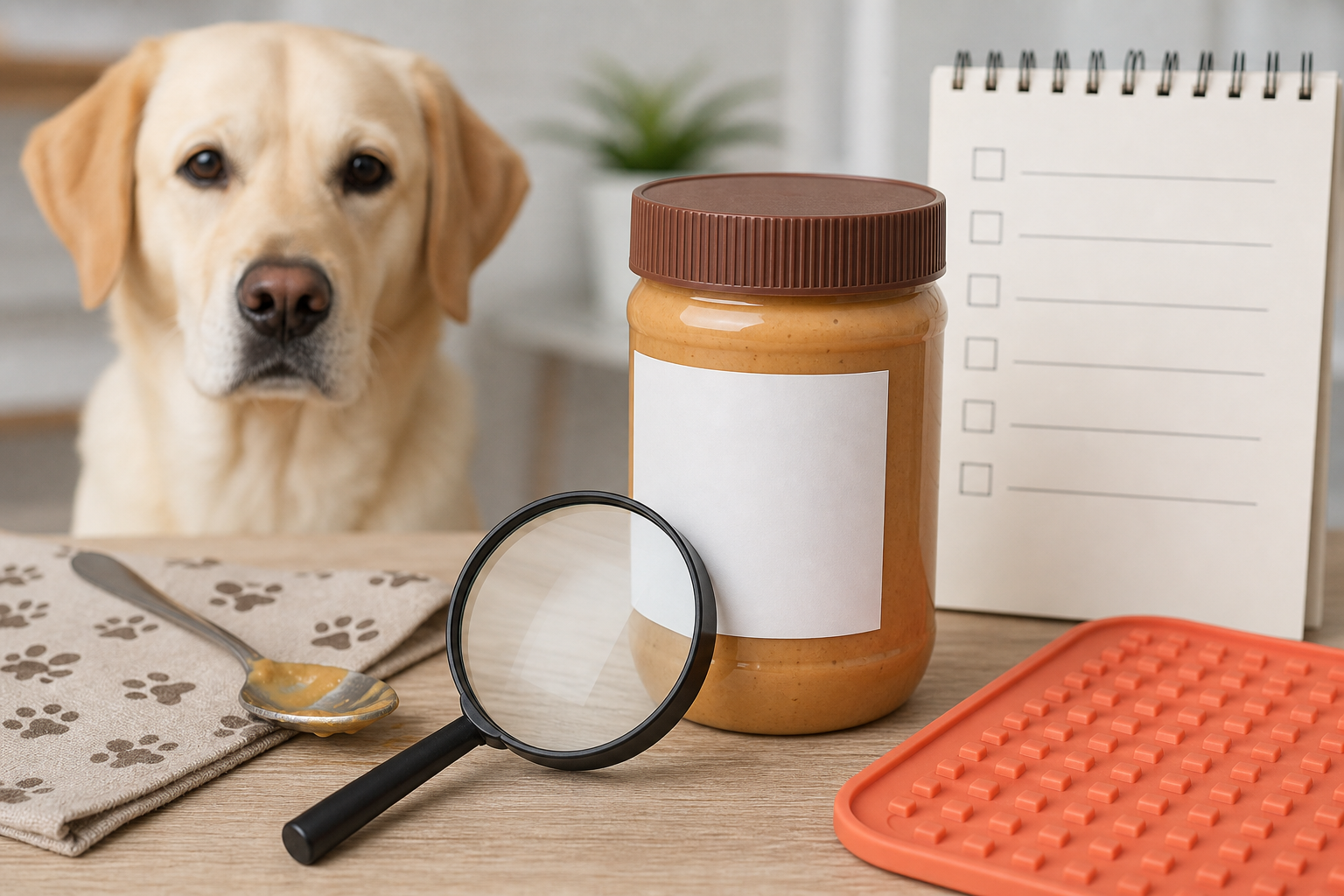
Start with the ingredient panel, not the marketing claim on the front. Reject any jar that lists xylitol, birch sugar or wood sugar. Be careful with low-sugar, sugar-free, fitness, keto or specialty nut-butter products, because those are the kinds of human-food categories where alternative sweeteners are more likely to appear.
Then check the rest of the label for ordinary treat math. Added salt, added sugar, chocolate flavoring, candy mix-ins and very high-fat blends can make a cheap jar a poor dog-treat choice. Peanut butter is calorie dense, so a spoonful on a lick mat can be more than a tiny training reward. If your dog is on a veterinary diet, has pancreatitis history, has food sensitivities or needs weight control, ask your vet before making peanut butter a regular filler.
When the big jar is not really a deal
A larger jar can look cheaper and still waste money. If you only use peanut butter for occasional pill hiding or a weekly lick mat, a bulk tub may sit open longer than you expect. Check the use-by date, the storage instructions after opening and whether your household can keep the jar away from counter-surfing dogs.
For subscriptions, do the same math you would do for pet treats. How many filled toys or lick mats will the jar actually cover at your dog’s safe portion size? Can you pause the shipment easily? Does the retailer allow returns on grocery or food items once opened? A recurring discount can become clutter if the jar arrives faster than your dog should eat it.
What to verify in a pet-supply cart
- Ingredient names: xylitol, birch sugar and wood sugar should be deal breakers for dog use.
- Serving size: decide the spoon amount before buying a large jar, especially for small dogs.
- Toy fit: a jar is not useful if the spread is too runny for the toy or too thick to clean out.
- Cleaning: lick mats and treat toys should be easy to wash fully, including grooves and corners.
- Storage: keep the jar sealed and out of reach. Dogs can reach counters, bags and bedside tables.
- Return terms: food and grocery returns can be stricter than toy returns, especially after opening.
Deal and coupon checks
Do not let a promo field push you into a product you would not buy at full price. If a pet retailer, grocery store or marketplace seller advertises peanut butter for dog enrichment, verify the exact product page, size and ingredient list in the cart. Marketplace listings can mix different flavors or sizes under one search result, and the cheapest option may not be the plain version you intended to buy.
If you are buying a dog-specific peanut butter or squeeze pouch, check whether the price includes convenience packaging rather than better ingredients. Some dog-branded products are useful because they are easy to dispense into toys, but that does not automatically make them safer or more economical. Compare the ingredient list, net weight and how much your dog should actually eat.
What to avoid
Avoid any product with xylitol, birch sugar or wood sugar if it may reach your dog. Avoid chocolate-flavored spreads and dessert-style blends. Do not use human toothpaste or dental products as a dog-safe substitute just because they share a flavor profile, since FDA specifically warns that xylitol may appear in dental products and says pets should use pet toothpaste only.
Also avoid turning peanut butter into a daily unlimited boredom fix. A lick mat can be helpful enrichment, but it does not replace walks, training, safe chew choices or a balanced diet. If your dog needs medication hidden in food, make sure the dose is actually swallowed and ask your vet if peanut butter is appropriate for that medication and that dog.
Quick answers
Is peanut butter safe for dogs?
Some peanut butter can be safe for many dogs in small amounts, but only after you check the label. It should not contain xylitol, birch sugar or wood sugar, and it should be used as a treat rather than a meal.
Is dog peanut butter better than grocery peanut butter?
Not automatically. A dog-specific product may be easier to squeeze into toys, but you still need to compare ingredients, portion size, storage and price per ounce.
Can cats have peanut butter too?
This buying guide is dog-focused because xylitol is a major dog safety concern and peanut butter is commonly used in dog toys and pill routines. Ask your vet before offering peanut butter to a cat, especially if the cat has health or diet restrictions.
What should I do if my dog ate xylitol?
Contact your veterinarian, an emergency clinic or animal poison control right away. Do not wait to see if a promo-size jar was “only a little,” because official sources describe xylitol exposure in dogs as potentially serious.
Sources
- FDA, Paws Off Xylitol; It’s Dangerous for Dogs.
- ASPCA, People Foods to Avoid Feeding Your Pets.
- Blue Cross, Can Dogs Eat Peanut Butter?.
- AKC, Can Dogs Eat Peanut Butter?.
- FDA, Tips for Safe Handling of Pet Food and Treats.
Sources last checked: August 6, 2026, 01:37 Europe/Rome.