
#cat food toppers
#dog food toppers
#meal enhancers
#pet food toppers
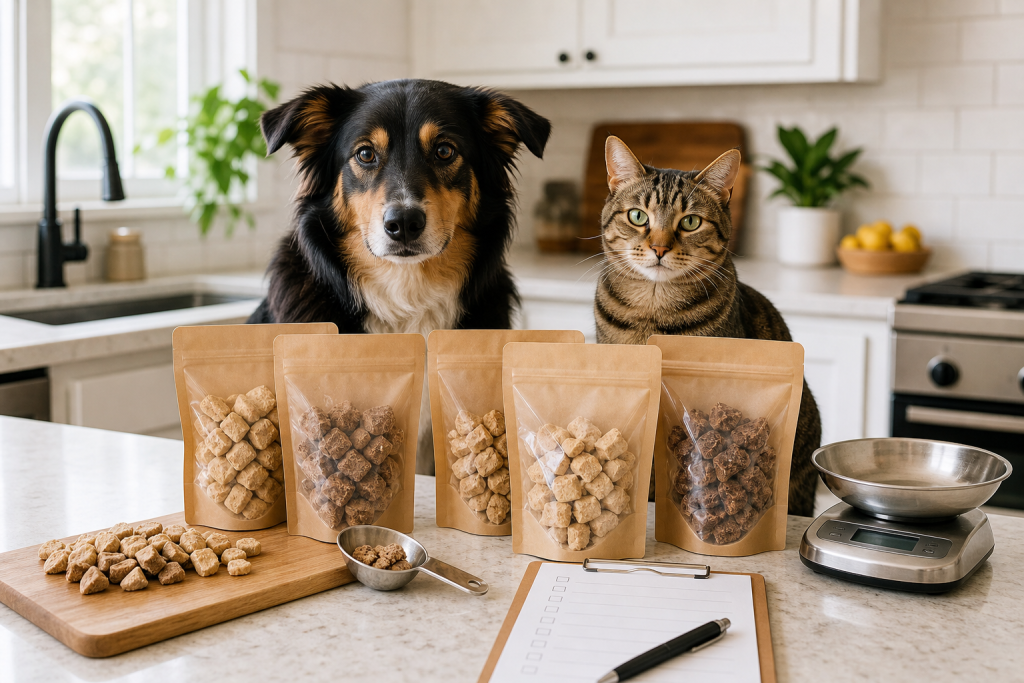
A pet food topper deal is only a deal if it stays a small, useful add-on to a complete diet. The mistake is treating pouches, broths, freeze-dried bits or meal enhancers like harmless extras, then leaving the normal meal unchanged. That can raise daily calories, blur the difference between a complete food and a treat, and make a cheap-looking bundle more expensive than a better base food.
Meal toppers are getting fresh attention because retailers are adding more dog and cat nutrition extras, including new meal-enhancement products, while pet owners keep looking for ways to make ordinary kibble feel more premium. Used carefully, a topper can help with palatability or add variety. Bought on autopilot, it can become a recurring cost with vague feeding directions and a label that does less than the front of the package suggests.
Why This Matters Now
Tractor Supply announced on August 5, 2026 that it is adding more than 200 new dog and cat products, including premium food, treats and meal enhancements. That is a useful shopping signal, not a reason to panic-buy. It shows that toppers and add-ons are no longer a niche aisle for picky eaters. They are becoming normal cart items, often sold beside food subscriptions, treats and multipack promotions.
The bigger trend is easy to understand. Many owners want their pet’s bowl to look fresher without switching the whole diet. A topper can seem like the cheap middle ground between standard kibble and a premium wet, fresh or freeze-dried plan. The checkout problem is that the small pouch, powder or broth does not always stay small once it becomes part of every meal.
The Label Check That Comes First
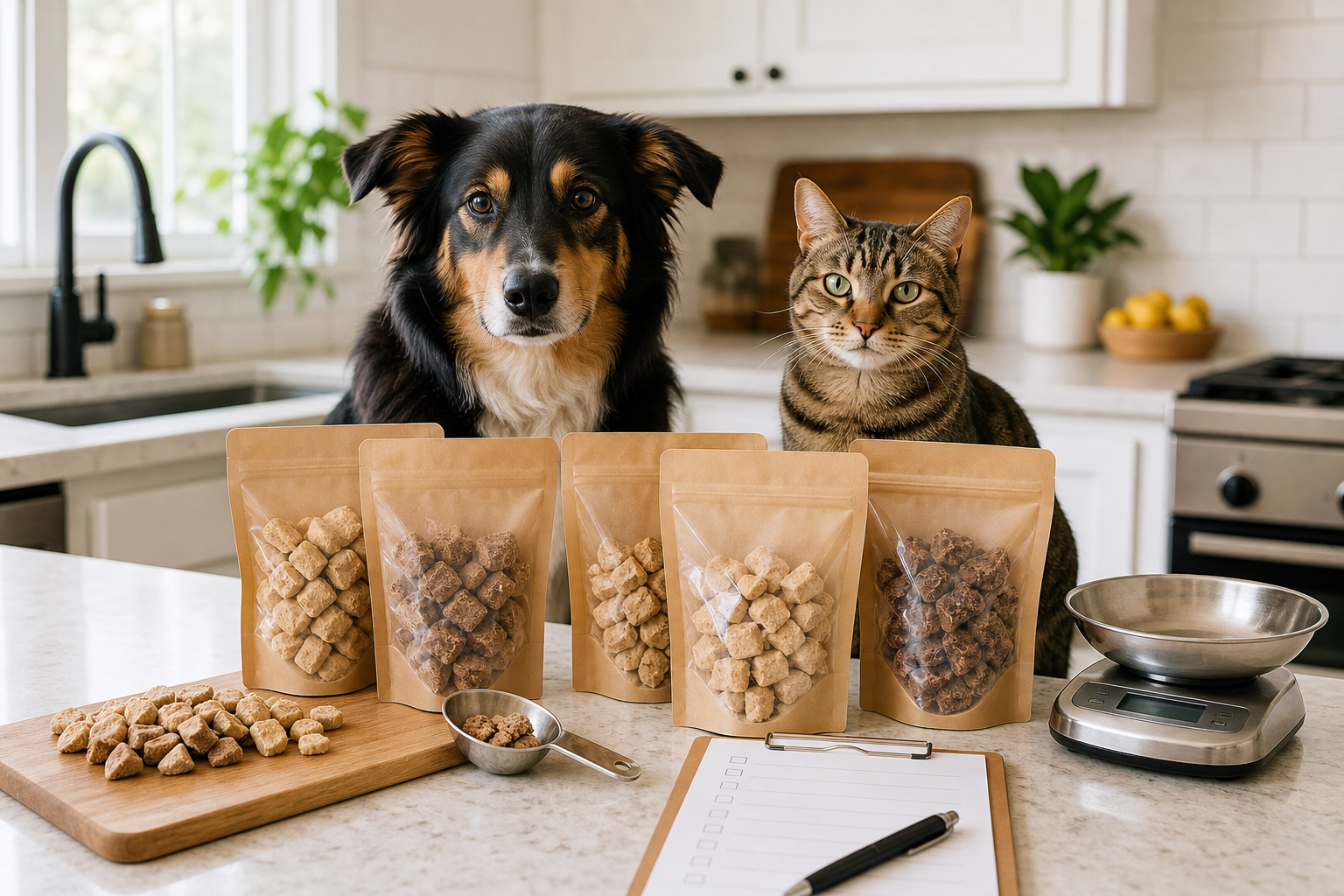
Before buying any topper, look for whether it is a complete and balanced food, a complementary product, a treat or a supplement. The FDA says pet owners can check the nutritional adequacy statement to see whether a pet food meets a pet’s nutritional needs. AAFCO’s consumer label guidance also explains that foods labeled complete and balanced need feeding directions for the stated life stage.
That distinction matters because a topper can sit in several different lanes. Some products are designed as complete foods or mixers with full feeding guidance. Others are treats, flavor boosters, broths or supplements meant to be used in limited amounts. If the front of the package says “meal enhancer” but the back does not clearly say complete and balanced for your pet’s life stage, do not treat it like a replacement meal.
For cats, be extra careful with anything that nudges them away from a complete diet. Cats have specific nutritional needs, and a topper that fills the bowl but does not provide complete nutrition can create a worse tradeoff than the picky-eating problem it was supposed to solve. If your cat is not eating, losing weight or suddenly rejecting food, that is a vet question, not a coupon problem.
Do The Calorie Math Before The Deal Math
The easiest way a topper deal gets expensive is by adding calories without reducing anything else. AKC’s recent treat guidance says the common 10 percent rule is about calories, not the number of treats. That same logic is useful for toppers. If the extra food is outside the main complete diet, it needs to fit inside the day’s calorie budget.
Use the calories per serving on the package if it is listed. Then compare it with how often you plan to use it. A 30-calorie spoonful once a week is not the same purchase as a 30-calorie spoonful twice a day. If the product does not clearly show calories per practical serving, the sale price deserves less trust.
Also check whether the suggested serving size matches your pet. A large dog, small dog and cat should not be treated as the same shopper just because a multipack is discounted. A pouch that looks cheap for one Labrador may be a very expensive way to feed two cats if each pouch is opened and partly wasted.
When A Topper Is Worth Buying
A topper can be useful when it solves a specific problem and you can explain that problem before checkout. Good reasons include adding short-term interest during a planned food transition, helping a dog accept a vet-approved diet, making medication routines easier when your vet says that is appropriate, or adding moisture when the product and diet plan make sense for that pet.
It is weaker when the reason is only that the bowl looks boring to you. Dogs and cats do not need every meal to look like a social-media bowl. They need consistent, safe food that fits their life stage, health needs and calorie requirements.
The best cart test is simple. Would you still buy the product if it were not bundled, discounted or displayed next to premium food? If the answer is no, the deal may be doing more work than the product.
The Checkout Checklist
- Nutritional statement: Is it complete and balanced, or is it a treat, mixer, broth or supplement?
- Calories: Are calories listed per serving, and does that serving match how you will actually use it?
- Feeding directions: Are directions specific enough for your pet’s size and life stage?
- Storage after opening: Does it need refrigeration, fast use or a sealed container?
- Texture: Will it work with your pet’s current food, bowl and feeding routine?
- Ingredient conflicts: Does it overlap with allergies, sensitivities or a veterinary diet?
- Return terms: Can opened food be returned, or are you stuck with a flavor your pet rejects?
- Repeat cost: What does it cost per week if it becomes a daily habit?
Deal And Coupon Checks
Do not judge topper deals by the first pouch or first subscription shipment. Check the future price, minimum order requirement, shipping threshold and whether the discount applies to every flavor or only select items. If a retailer shows an autoship or repeat-delivery saving, confirm whether the price can change before future shipments and whether you can edit flavors or quantities easily.
Variety packs deserve special caution. They are useful only if your pet will eat most of the flavors and you can use opened packages safely. If half the box sits in the refrigerator until it smells wrong, the unit price was never the real price.
For coupon codes, read exclusions before relying on the badge. Pet food, prescription diets, refrigerated items, marketplace sellers and subscriptions can have different rules. Do not add extra topper packs just to cross a free-shipping threshold unless you already know where those calories and packages fit in the month.
What To Avoid
Avoid any topper that makes medical-sounding promises without clear support from your veterinarian. Skin, digestion, joints, anxiety, urinary health and appetite changes can have real medical causes. A flavor booster may make a bowl more appealing, but it should not be used to cover up a problem that needs care.
Be careful with raw, undercooked or freeze-dried raw toppers, especially in homes with young children, older adults, pregnant people or anyone with a weakened immune system. The FDA has warned for years that raw pet foods can carry pathogen risks. If you choose these products anyway, handle them like a food-safety issue, store them correctly and ask your vet whether they fit your pet.
Skip products that do not tell you enough. Vague serving language, missing calorie information, unclear storage directions and dramatic claims are all reasons to slow down. A cheap topper that cannot be used confidently is not a practical saving.
Quick Answers
Are pet food toppers bad?
No. They can be useful when they are matched to the pet, the main diet and the daily calorie budget. The risk is treating them like unlimited extras.
Can a topper replace dog or cat food?
Only if the label says it is complete and balanced for the right species and life stage, and the feeding directions support that use. Many toppers are treats, mixers or supplements, not full meals.
Should I buy a multipack first?
Usually not. Try a smaller size unless the return policy is clear and your pet already accepts that flavor and texture.
When should I ask a vet?
Ask before using toppers for a pet with a medical condition, prescription diet, unexplained appetite change, weight loss, vomiting, diarrhea or food allergy concerns.
Sources
Sources last checked: August 8, 2026, 22:34 CEST, Europe/Rome.
- Tractor Supply Company, expanded dog and cat product assortment announcement.
- FDA, “Complete and Balanced” Pet Food.
- FDA, Pet Food labeling overview.
- AAFCO, Reading Labels.
- AAFCO, Selecting the Right Pet Food.
- American Kennel Club, treat calorie guidance.
- Chewy, dog food topper buying and calorie guidance.