
#CBD pet treats
#hemp pet products
#pet deals
#pet supplements
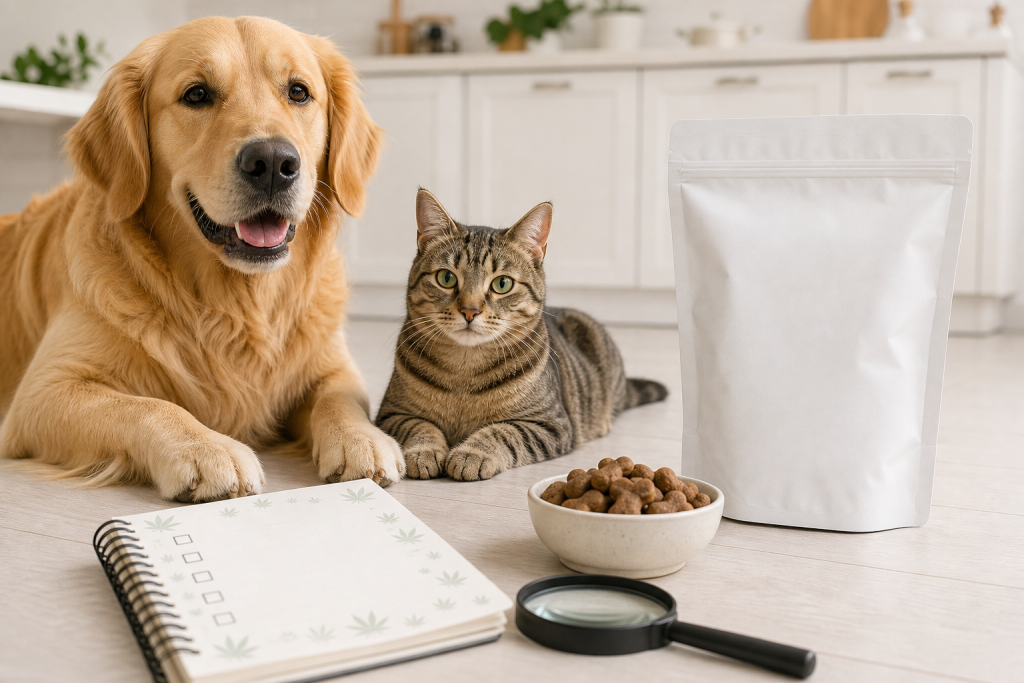
A CBD pet treat deal is only worth considering after you check what the product is actually claiming, whether it is made for pets, and whether your veterinarian should weigh in first. The biggest checkout risk is treating a calming, pain or mobility promise like a verified medical result. A low price does not fix unclear CBD amount, missing third-party testing, vague THC language, weak return terms or a label that sounds more like a drug claim than a treat.
Why CBD pet treats matter now
CBD and hemp pet products keep appearing in deal pages, local pet shops and social feeds because owners are looking for help with stress, aging, noise events and everyday comfort. That demand makes the category easy to oversell. It also makes checkout mistakes more likely, because many products sit beside normal treats even though the claims, ingredient rules and veterinary questions are more complicated.
The FDA says it has not approved cannabis for any use in animals, and it cannot ensure the safety or effectiveness of those products. The AVMA also treats cannabis-derived pet products as an area where veterinarians need careful, current information because products have not gone through the traditional FDA approval path for animal drugs. That does not mean every shopper will ignore the category. It does mean the deal should be judged more like a health-adjacent supplement purchase than a fun snack refill.
The claim is the first thing to read
Start with the front label and product page. If the page promises to treat seizures, cure anxiety, replace pain medication, stop arthritis or solve a behavior problem, pause. Those are medical-style promises, not ordinary treat features. A shopper-friendly label should be specific about what is in the product, cautious about what it can do, and clear that veterinary guidance matters for pets with health conditions or medications.
Do not let soft words hide hard claims. “Calming support” is still a claim to evaluate, especially if the product is being bought for a dog that panics during storms or a cat that is hiding, overgrooming or not eating normally. If behavior or pain is the real problem, a treat purchase should not delay a veterinary or behavior consult.
Check CBD amount, THC language and lab testing
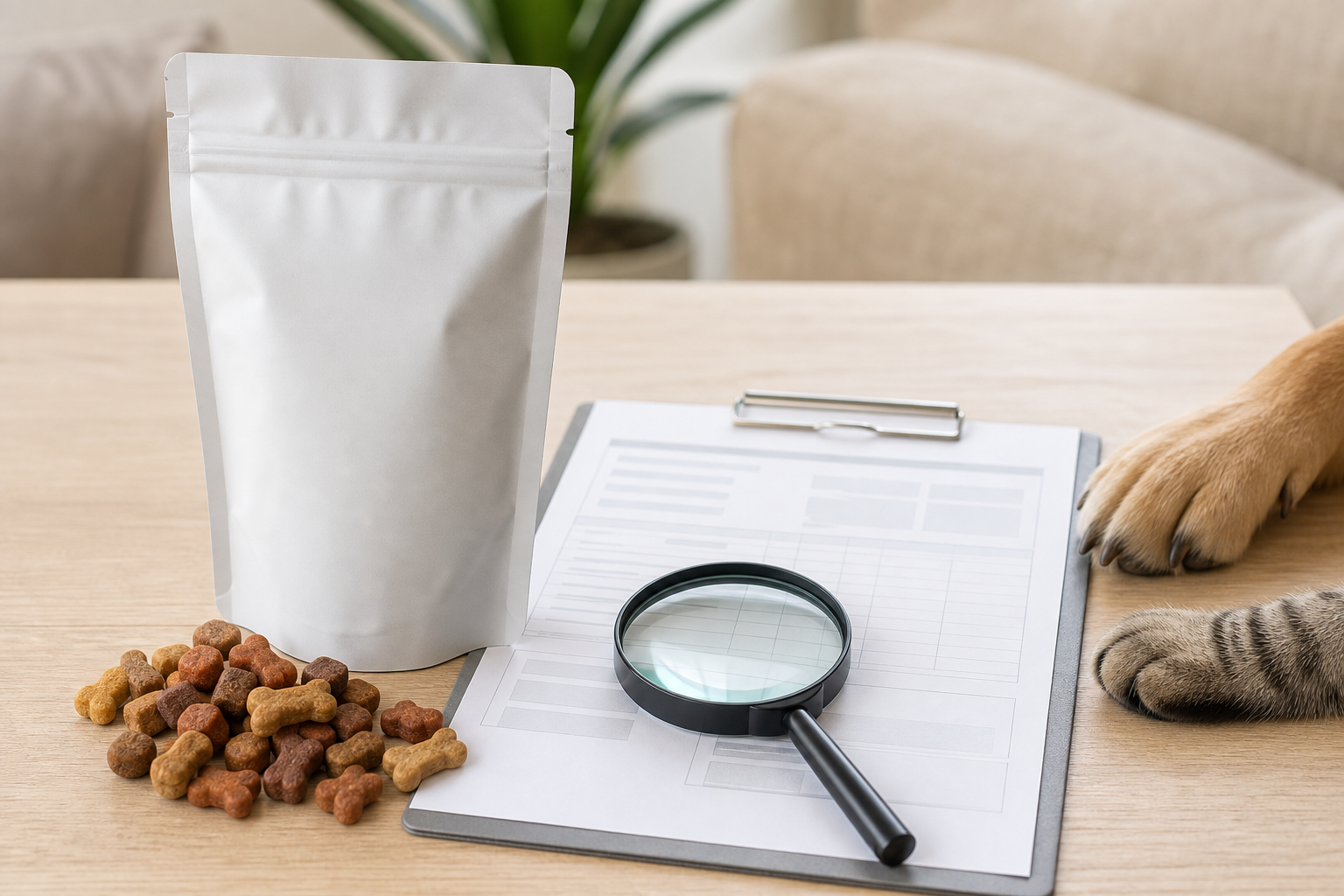
A useful product page should make the amount of CBD easy to understand. Look for the amount per treat or per serving, not only the total amount in the bag. If the serving instructions change by weight, calculate how long the bag actually lasts for your pet before comparing it with a cheaper listing.
THC language also matters. Pets can be sensitive to cannabis exposure, and shoppers should not assume “hemp” automatically means the product is appropriate for dogs or cats. Look for a current certificate of analysis from an independent lab, a batch or lot number that matches the package, and testing that covers cannabinoid content and contaminants. If the lab report is missing, old, unreadable or for a different batch, treat the deal as higher risk.
The NASC Quality Seal can be one useful quality signal for animal supplements because participating suppliers must meet audit and compliance requirements. It is not the same as FDA approval, and it does not prove that a CBD treat will fix your pet’s issue. Use it as one checkpoint, not as the whole decision.
The checkout math can change fast
CBD pet treats often look cheaper when the listing shows the bag price instead of the daily cost. Before buying, write down four numbers: treats per bag, suggested treats per day for your pet’s weight, shipping cost and return window. A discount on a 30-count bag is not much of a deal if your dog would use several treats per day or if the subscription renews before you know whether the product fits your pet.
Be careful with bundles. A starter kit with oil, chews and a topical product may create waste if your veterinarian tells you to avoid one format, if your pet refuses the flavor, or if the return policy excludes opened supplements. If you are testing a product for the first time, a smaller single item with clear support and return terms may be less risky than the biggest promo bundle.
What to verify before paying
- The product is clearly intended for the species you own, not a human CBD product being repurposed.
- The CBD amount is shown per treat or serving, not only as a package total.
- The THC statement is clear, and the product has a current batch-matched lab report.
- The label avoids disease-cure promises and does not tell you to replace veterinary care.
- Inactive ingredients are safe for your pet, with no xylitol or sweetener concern.
- The subscription, coupon and return terms still make sense after the first order.
- Your veterinarian is involved when the pet is ill, medicated, pregnant, very young, senior or behaviorally distressed.
Deal and coupon checks
Do not assume a CBD pet coupon applies to every flavor, strength, size or subscription. Some retailers exclude supplements, newly launched products, subscriptions, opened items or third-party marketplace sellers. Check whether the code lowers the first order only, whether the next shipment is automatic, and whether shipping or minimum-cart rules erase the savings.
Also check who is selling the product. A marketplace listing with a low price can be less useful if the seller is not the brand, the expiration date is close, the lab report is not easy to match, or customer support sends you back to the manufacturer. For health-adjacent products, a clean support trail can matter more than a few dollars off.
What to avoid
Avoid human CBD gummies, tinctures or edibles for pets. Human products may include sweeteners, flavorings, strength levels or other ingredients that are not appropriate for dogs or cats. Avoid products that give bold medical certainty, hide the amount of active ingredient, make the lab report hard to find, or use “vet recommended” without naming what that actually means.
Do not stack multiple calming products just because they are on sale. A diffuser, chew, supplement, pressure wrap and pet camera can each have a place in some homes, but buying everything at once makes it harder to know what helped, what upset your pet’s stomach, and what was simply wasted money. If the problem is severe, sudden or tied to pain, appetite change, aggression, collapse, seizures or self-injury, treat shopping as the wrong first step and call your veterinarian.
Quick answers
Are CBD pet treats FDA approved?
The FDA says it has not approved cannabis for any use in animals. Treat any CBD pet treat as a cautious supplement-style purchase, not as an FDA-approved treatment.
Is “hemp” the same as CBD?
No. Hemp seed ingredients and CBD-rich hemp extracts are not the same thing. Read the ingredient panel and lab report instead of relying on the word “hemp” on the front of the bag.
Should I buy the biggest CBD pet treat bundle?
Usually not for a first purchase. A smaller package with clear batch testing, simple ingredients, transparent return terms and veterinary input is easier to evaluate.
Can CBD replace anxiety or pain care?
Do not use a treat deal as a substitute for veterinary care. Ask your vet before using CBD for a pet with pain, anxiety, seizures, medication use or any ongoing health concern.
Sources
Sources last checked: August 10, 2026, 19:33 CEST, Europe/Rome.
- FDA, Regulation of Cannabis and Cannabis-Derived Products, Including Cannabidiol
- FDA, What to Know About Products Containing Cannabis and CBD
- American Veterinary Medical Association, Cannabis Use and Pets
- ASPCA, Are There Safety Concerns About CBD Products and My Pets?
- National Animal Supplement Council, Quality Seal information
- AAFCO, Hemp as a Feed Ingredient: A National Discussion
- FTC, Warning Letters to Companies Advertising CBD-Infused Products as Treatments