

#parasite prevention
#pet deals
#pet dewormer
#pet health
An over-the-counter dewormer deal is only useful if the label matches the parasite, species, weight and age of your pet. “””Broad spectrum””” does not mean every worm, every dog or every cat. Before you buy, check what the product actually treats, whether your pet needs a test or prescription product instead, and whether the low price still makes sense after repeat doses or vet follow-up.
Parasite shopping is getting attention again because flea, tick, mosquito and worm risks do not pause in late summer, and the FDA has also been issuing 2026 updates around New World screwworm preparedness. That does not mean pet owners should panic-buy random wormers. It means the label check matters more than the sale badge.
Why this mistake happens at checkout
Most dewormer listings are built to sound simple: choose a box, match the weight range, give the product, move on. The problem is that worms are not one category. Roundworms, hookworms, tapeworms, whipworms and heartworms are different risks, and products that cover one group may not cover another.
That is why a cheap box can be a bad deal even when it is a real product from a real retailer. If your dog has tapeworm segments but the product only covers roundworms, you have not saved money. If your cat needs heartworm prevention, an ordinary intestinal wormer is not the same thing. If your puppy or kitten is below the labeled age or weight, the checkout mistake becomes a safety issue.
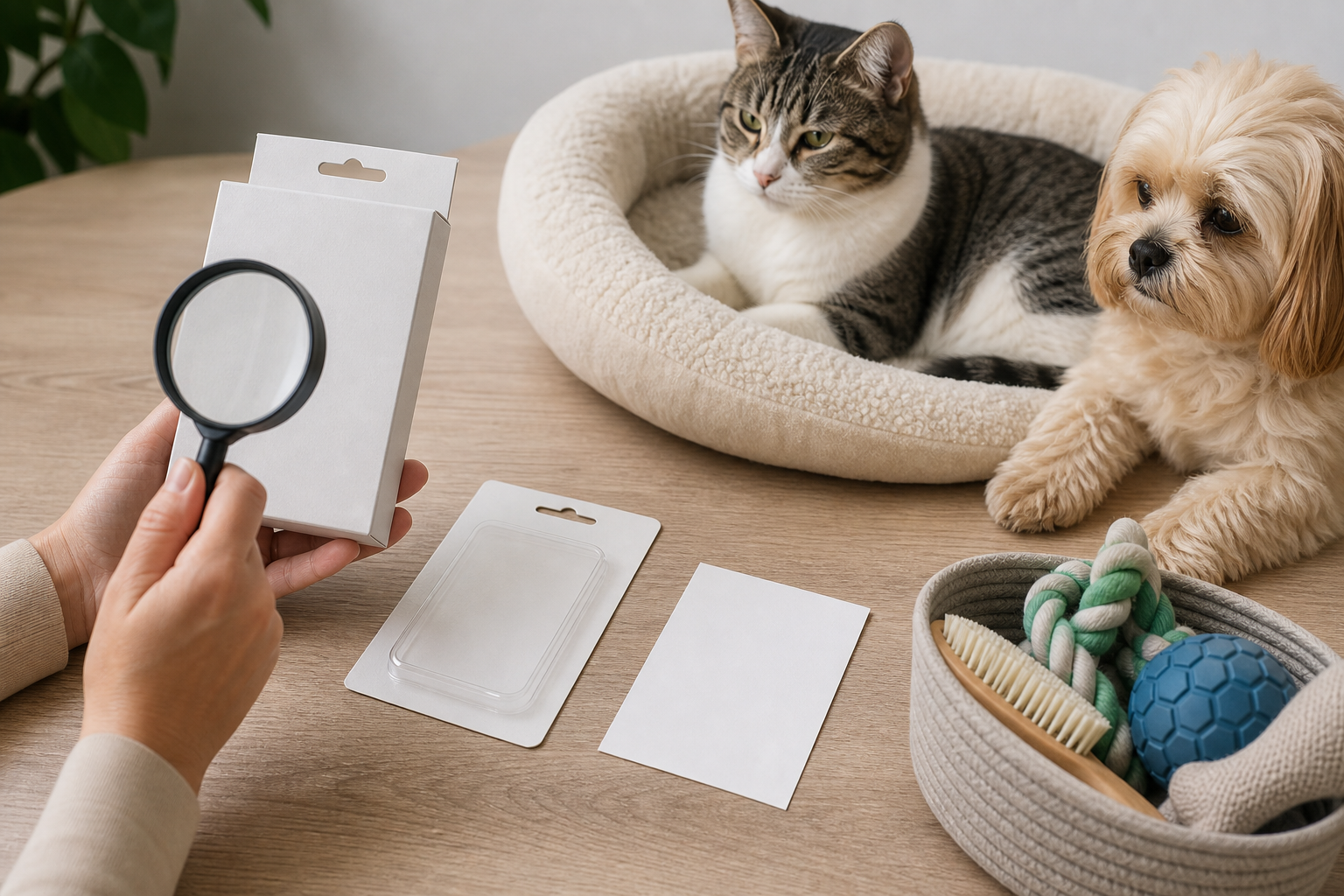
The label details to check before buying
Start with species. A dog product is not automatically a cat product, and a cat product is not automatically right for a small dog. Some active ingredients and combinations have narrow label directions, so do not use a deal listing as the directions.
Next, check the named parasites. A DailyMed label for one dog broad-spectrum chewable, for example, lists common tapeworms, hookworms, roundworms and whipworms. That does not make every “””broad spectrum””” product identical. It also does not make it a heartworm preventive, flea treatment or screwworm product.
Then check weight and age. The same DailyMed label tells owners to weigh the dog and states that the product is not for puppies younger than 3 weeks or dogs under 2 pounds. Other products can have different cutoffs, so read the exact package insert before ordering and again before use.
- Species: dog, cat, puppy or kitten.
- Parasites named on the label, not just “””broad spectrum.”””
- Minimum age and minimum weight.
- Whether the product is OTC or requires a prescription.
- Whether repeat treatment, flea control or environmental cleanup is mentioned.
- Storage and expiration date, especially for multi-packs.
When the cheaper box is not the cheaper choice
A dewormer deal can look cheap because the box price is low. The better comparison is the cost per correctly treated pet. Count your pet’s current weight, the number of tablets or tubes needed, whether you have more than one pet, and whether the package leaves unusable extras that will expire before the next need.
Also check the return policy before buying medication or parasite products online. Retailers often treat opened health products differently from toys, beds or bowls. If a listing is unclear, assume you may not be able to return it once opened, and do not buy a large multi-pack until you know the product is appropriate for your pet.
Autoship deserves an extra pause. A repeat delivery can make sense for routine, vet-approved prevention, but it is a poor fit for a one-time wormer unless your veterinarian has told you exactly what schedule your pet needs. Do not let a first-order discount create a box of medication you should not use.
Heartworm prevention is a separate decision
Heartworm is where many pet owners blur categories. The FDA says heartworm prevention medications are prescription only, and the American Heartworm Society recommends year-round FDA-approved preventives. Those products are not interchangeable with a one-off intestinal wormer in a cart.
Cats need special caution. The FDA notes there is no FDA-approved drug to kill adult heartworms in cats. That makes prevention and veterinary guidance especially important, not a reason to experiment with a discount product that happens to mention worms.
Do not confuse screwworm headlines with normal deworming
The FDA issued a June 2026 Emergency Use Authorization for generic nitenpyram tablets for New World screwworm infestations in certain dogs and cats. The same FDA notice said most U.S. dogs and cats are at low risk, with higher risk for pets recently in areas with confirmed cases.
That headline should not make owners treat nitenpyram like a routine flea pill or a normal intestinal dewormer. The FDA says the product is short-acting, does not prevent reinfestation, and veterinary wound care may be needed. For shoppers, the practical lesson is simple: emergency-use headlines are not a substitute for identifying the actual problem with a veterinarian.
What to avoid
- Buying by the lowest box price before you know the parasite.
- Using dog-labeled products on cats unless the exact label allows it.
- Guessing weight for small dogs, puppies, kittens or underweight pets.
- Assuming “””broad spectrum””” includes heartworm prevention.
- Starting Autoship for a product you only needed once.
- Buying from a marketplace seller when the product listing, expiration date or storage history looks unclear.
A safer checkout routine
If you are buying because you saw something suspicious in stool, on bedding or near your pet’s rear end, call your vet before ordering. A fecal test or exam can prevent wasted money and wrong-product use. If you are buying routine prevention, ask which parasite risks matter where you live and whether your pet needs a prescription product.
Once you know the right category, compare only products that match that category. Keep the package insert, record the lot and expiration date, and save the order receipt. If your pet vomits, has bloody stool, seems unwell or the problem persists, contact your veterinarian instead of repeating a product blindly.
Quick answers
Is an OTC dewormer safe for every dog or cat?
No. Safety depends on the species, age, weight, health status, active ingredient and parasite being treated. Read the exact label and ask your vet when the problem is unclear.
Does broad spectrum mean it treats heartworm?
No. Heartworm prevention is a separate, prescription-only category in the U.S. Do not treat a normal intestinal dewormer as a heartworm preventive.
Should I buy a large dewormer multi-pack on sale?
Only if the product is correct for your pet, the expiration date gives you enough time, and your vet has confirmed the plan. Otherwise, a smaller package may waste less money.
Sources
Sources last checked: August 10, 2026, 13:34 CEST, Europe/Rome.
- Companion Animal Parasite Council, parasite guidelines and prevalence resources.
- Pets & Parasites, CAPC Guidelines for dog and cat owners.
- FDA, Protect Your Pet from Heartworms Year-Round.
- American Heartworm Society, Heartworm Preventives.
- FDA, Emergency Use Authorization for generic nitenpyram tablets for New World screwworm in dogs and cats.
- DailyMed, Quad Dewormer chewable tablets for dogs label.