
#dog apparel
#dog bug shirt
#mosquito protection
#pet deals
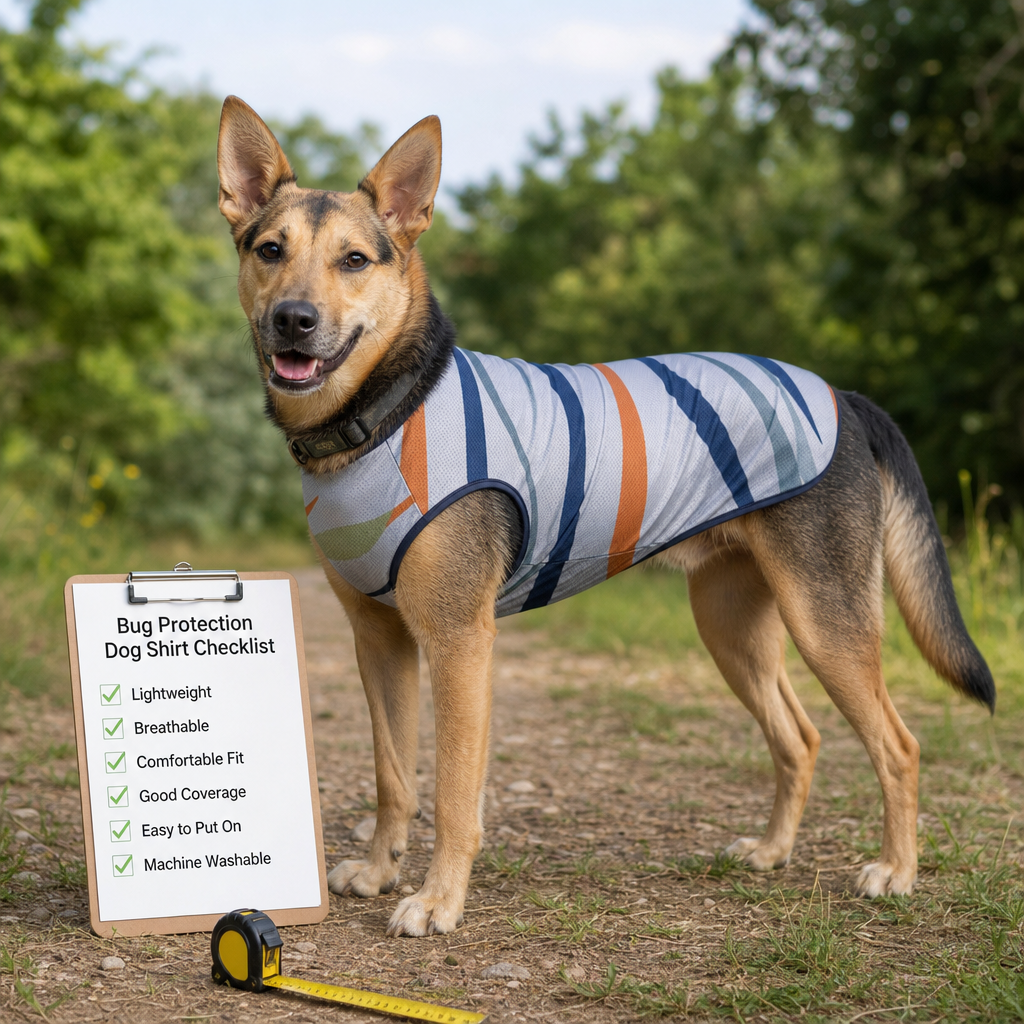
A dog bug-repellent onesie can be useful only if the label, fit and washing rules match your dog. The mistake is buying it like a cute summer shirt and assuming it replaces flea, tick or heartworm prevention. Treat it as a coverage layer, then verify the size chart, active claim, return terms and your vet’s parasite plan before paying.
Bug-blocking pet apparel is getting more attention because summer shopping now blends heat, camping, mosquito season and pet fashion. Global Pet Expo named Pebot’s Buzzz Off anti-mosquito/insect onesie as a Modern Pet award winner for 2026, and major retailers are already showing bug-repellent dog clothing with size charts, wash instructions and promotion terms. That makes this a real shopping category, not just a novelty outfit.
Why This Deal Is Easy To Misread
The word “repellent” sounds simple, but it does not tell you everything you need to know. Some garments rely on treated fabric. Others rely on coverage, patterning, tight weave or marketing language that may not mean the same thing as a veterinary parasite product. A discount can make the product feel low-risk, but the wrong size or wrong claim can turn it into an expensive shirt your dog wears once.
Chewy’s current listing for one anti-mosquito dog and cat onesie, for example, shows multiple sizes, a care instruction to machine wash cold only, and product claims about plant-based treatment and mosquito species. It also shows the kind of checkout details pet owners should slow down for: promotion terms, delivery timing, stock status and returns. Those details can change, so the cart matters more than the sale badge.
The Fit Check Comes First
For this category, fit is not just about looks. A shirt that gaps around the belly, rubs under the legs or rides up behind the shoulders may give less coverage and annoy the dog enough that you stop using it. A shirt that is too tight can restrict movement, trap heat or make a harness sit badly.
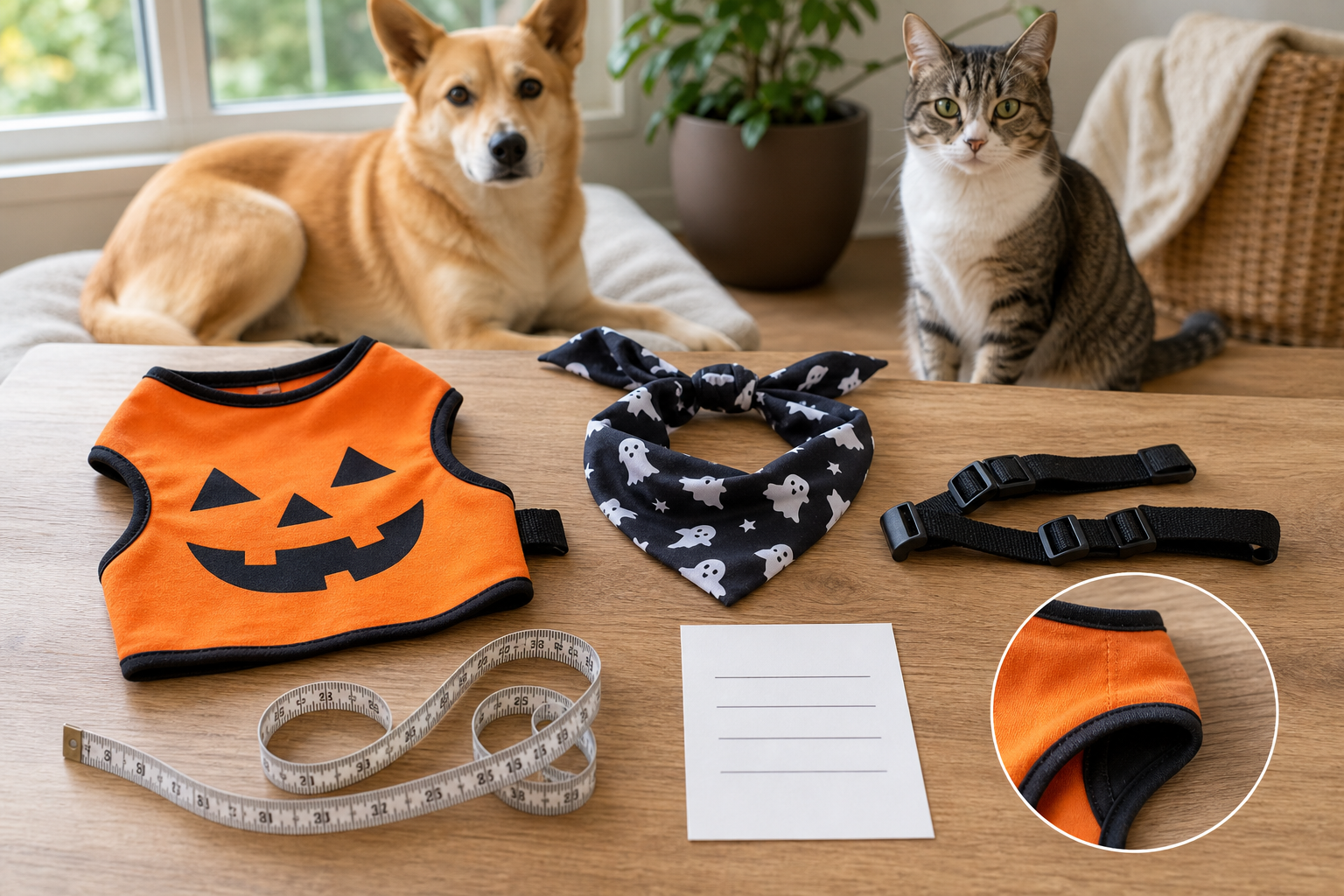
Before buying, measure your dog while they are standing normally. Check back length, chest girth and neck size against the retailer’s size chart. Do not rely on breed examples alone. A small Labrador, deep-chested mixed breed or long-backed dog can fall outside a neat breed label.
What To Verify Before Checkout
Start with the label or product page. Look for the actual claim: mosquitoes, ticks, fleas, dust mites or general “bugs” are not interchangeable. If a product mentions treated fabric, look for label directions, age limits, species limits, washing rules and whether the protection is expected to decline after repeated washing.
Next, check whether it can work with your normal gear. A bug shirt that blocks the harness D-ring, bunches under a life jacket or leaves the belly exposed may be less useful than it looks in product photos. If your dog wears a cooling vest, rain jacket or medical recovery shirt, think carefully before adding another layer in warm weather.
Finally, read the return rules before assuming the deal is safe. Pet apparel can be hard to resell after outdoor use, and some retailers handle worn items differently from unused merchandise. If the promotion depends on a code, Autoship enrollment, new-customer status or rewards login, confirm the final cart total before ordering.
The Deal Section: What Counts As A Real Saving?
A bug-repellent onesie is not automatically a bad buy, but the useful comparison is cost per wear. If your dog camps, hikes, sits outside at dusk or gets bothered by insects in a yard, a washable garment may earn its place. If your dog overheats easily, hates clothing or only needs short bathroom walks, the same discount may not matter.
Check these deal details before paying:
- Does the discount apply to the size your dog actually needs?
- Is the item eligible for the retailer’s return policy after try-on?
- Are shipping costs, delivery timing and minimum-order thresholds changing the real price?
- Will you need a second garment because the first one must air dry or be washed cold?
- Does the product page make a narrow claim that the headline or ad makes sound broader?
Safety Checks Owners Should Not Skip
Do not use dog apparel as a substitute for veterinary parasite prevention. The AKC notes that flea and tick season varies by location and weather, and recommends talking with your veterinarian about a prevention plan that fits your dog’s age, immune status and activity level. The FDA also frames heartworm prevention as a year-round veterinary decision for dogs.
Be cautious with treated fabrics and sprays around cats. The EPA says repellent-treated clothing should be used according to its label or hang tag. If a label says the product is for dogs, do not assume it is safe for cats, puppies, senior pets or pets that chew fabric. If your dog has skin disease, allergies, heavy shedding, heat sensitivity or a history of chewing clothes, ask your vet before adding treated apparel.
Also watch the weather. A shirt that helps reduce exposed skin can still add a layer. On hot days, prioritize shade, water, shorter outings and avoiding peak heat. If your dog pants hard, slows down, refuses to move, scratches at the shirt or tries to chew it off, remove it and reassess the purchase.
When This Product Makes Sense
This category makes the most sense for dogs that already tolerate clothing and spend time in buggy environments where extra coverage is practical. It can also help owners who want a washable alternative to repeatedly applying products that may not be appropriate for every pet or situation. The key is to treat the garment as one part of a larger plan, not as a complete shield.
It makes less sense when the fit is uncertain, the return policy is weak, the dog is heat-sensitive or the product’s claim is vague. A cheaper plain lightweight shirt may be enough for some dogs if your main goal is coverage, while a vet-recommended preventive may matter far more if the concern is fleas, ticks or heartworm.
Quick Answers
Can a bug-repellent dog shirt replace flea and tick medicine?
No. It should not be treated as a replacement for a vet-guided flea, tick or heartworm prevention plan.
Should cats wear dog bug-repellent clothing?
Only if the product is specifically labeled for cats and fits safely. Do not assume a dog-safe product is cat-safe.
Is a bigger size safer?
Not always. A loose shirt can twist, gap, snag or interfere with walking. Use measurements, not guesses.
What is the biggest checkout mistake?
Buying the sale size before checking the chart, washing rules, return policy and the exact repellent claim.
Sources
Sources last checked: August 11, 2026, 10:37 CEST, Europe/Rome.
- Global Pet Expo, “Best New Pet Products of 2026 Announced at Global Pet Expo”: https://globalpetexpo.org/press-releases/best-new-pet-products-of-2026-announced-at-global-pet-expo
- Chewy, Pebot Buzzz Off dog and cat anti-mosquito repellent onesie product page: https://www.chewy.com/pebot-buzzz-off-dog-cat-natural-anti/dp/2031038
- AKC, “Bug Off: Tips on Keeping Critters Away From Your Dog”: https://www.akc.org/expert-advice/health/keeping-bugs-away-from-your-dog/
- AKC, “What Is Your State’s Flea and Tick Season? Preparing Your Dog”: https://www.akc.org/expert-advice/health/flea-tick-season/
- U.S. EPA, “Repellent-Treated Clothing”: https://www.epa.gov/insect-repellents/repellent-treated-clothing
- FDA, “Keep the Worms Out of Your Pet’s Heart! The Facts about Heartworm Disease”: https://www.fda.gov/animal-veterinary/animal-health-literacy/keep-worms-out-your-pets-heart-facts-about-heartworm-disease
- American Heartworm Society, prevention guidance and mosquito exposure FAQ: https://www.heartwormsociety.org/resources/65-clinical-faqs/510-the-ahs-guidelines-2018-updates
- PetSmart promotional terms page, checked for current retail promotion framing: https://www.petsmart.com/help/promotional-terms
- Chewy Today’s Deals page, checked for current pet-retail deal context: https://www.chewy.com/deals/todays-deals-2723