
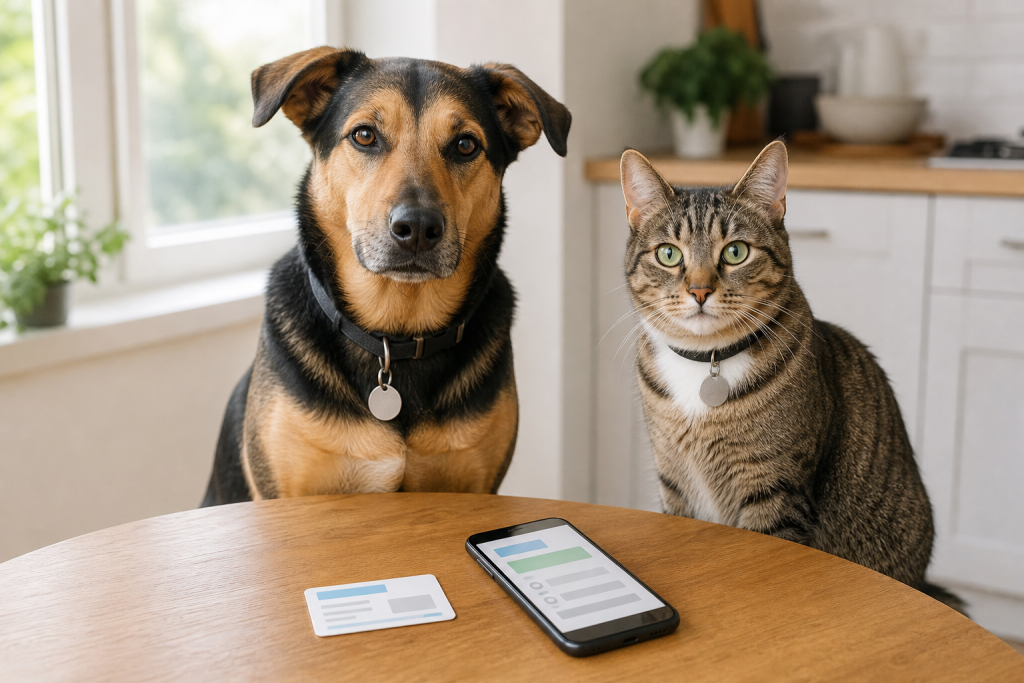
#Check the Chip Day
#lost pet safety
#microchip registry
#pet microchip
A microchip registry deal is worth checking only if it helps keep your contact information reachable when your dog or cat is found. The chip itself is not a GPS tracker, and an email saying your registration is about to expire should be treated carefully before you pay. Before buying an upgrade, renewal, tag bundle or lost-pet service, verify which registry actually holds your pet’s chip record.
That matters right now because National Check the Chip Day falls on August 15, and pet owners are being pushed toward microchip lookups, registry portals and paid recovery extras. Some services are legitimate. Others may sell an add-on you do not need, or imitate a renewal notice when the useful task is simply checking and updating your details through the correct registry.
Why This Small Checkout Step Matters
A pet microchip works by storing an identification number that can be scanned by a shelter, veterinary clinic or animal-control officer. The chip does not contain your address, your phone number or a live map of your pet. The reunion step depends on the registry record connected to that number.
The American Veterinary Medical Association tells owners to make sure the registry has correct contact information, especially phone numbers. AAHA’s Microchip Registry Lookup Tool can help identify which participating registry is associated with a chip number, but AAHA also says the tool does not reveal owner information or update the record for you. In plain shopping terms, the value is not the fanciest dashboard. It is whether the right registry can reach you fast.
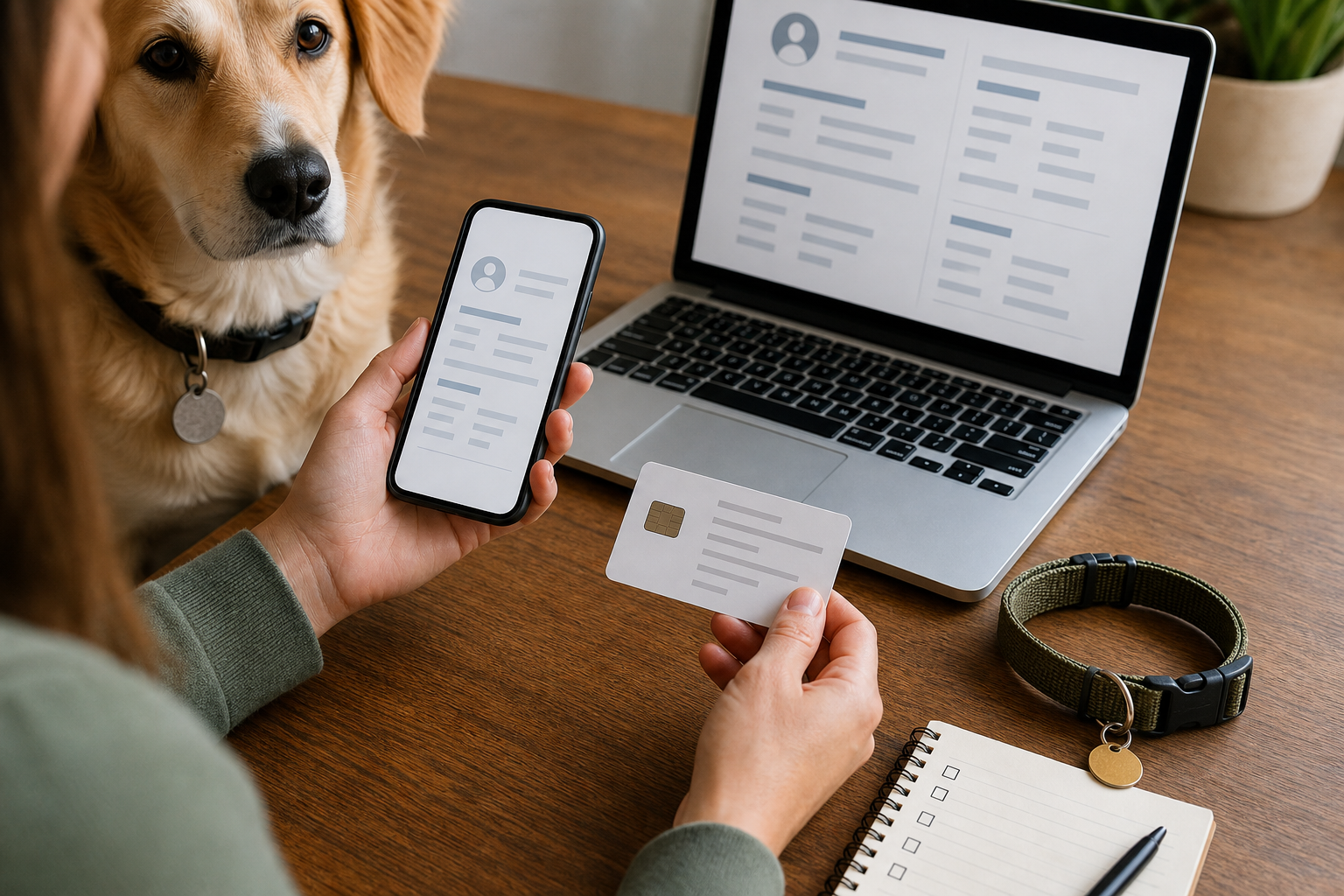
The Fee That Deserves a Pause
Be wary of any message that frames payment as an emergency microchip renewal. Many legitimate registries charge for initial enrollment, transfer services or optional recovery extras. That is different from a scary notice claiming your pet’s implanted chip is about to stop working unless you pay immediately.
Microchip services can be confusing because a shopper may see several different names: the clinic that implanted the chip, the chip manufacturer, the registry, a recovery hotline, a pet ID tag company and third-party lookup pages. A paid plan may include perks such as printed posters, a 24-hour hotline, travel help or extra contacts. Those perks may be useful for some owners, but they should not be mistaken for the chip itself.
Before entering payment details, ask three questions. Which registry currently appears when the chip number is checked? Does the fee maintain basic contact information, or is it an optional add-on? Can you update your phone number, address and alternate contact without buying the bundle?
What To Check Before Buying a Microchip Add-On
Start with the chip number. If you do not have it, ask your veterinarian, shelter or microchip provider whether they can scan your pet and give you the number for your records. Then use a reputable lookup route, such as AAHA’s tool in the United States, to identify the registry associated with the chip.
Next, log in directly through the registry’s official website instead of clicking a payment link from an unsolicited email or text. Check the spelling of the domain, the customer-service phone number and whether the registry participates in AAHA’s lookup tool where relevant. If the service is unfamiliar, ask the clinic that implanted the chip which company they used.
Then compare the paid features to your actual need. A household with a frequent traveler, a door-dashing dog or a cat that slips outside may value extra contacts and fast alerts. A household that only needs a current phone number in the registry may not need a premium recovery package. Either way, the must-have is accurate contact data.
Deal and Coupon Checks Before You Pay
Microchip-related offers often sound small, which makes them easy to approve without reading the terms. Watch for auto-renewal language, extra ID tags, duplicate registry entries, transfer fees, printed-card fees and services that charge separately for every pet. If a coupon applies only to an add-on plan, the discounted price may still be more than the basic update you came to make.
Do not assume a coupon code means the service is the right registry. A discounted lost-pet package cannot help if shelters and clinics cannot connect your pet’s scanned chip number to that record. If you are changing address, phone number or ownership details, verify the update inside the registry that appears for the chip, then save a confirmation email or screenshot for your records.
If you are buying a new microchip appointment, separate the implant cost from the registration cost. Ask whether the clinic enrolls the chip for you, whether you must finish registration yourself and whether future contact updates are included. A cheap appointment can become less useful if the owner leaves without completing the registry step.
Privacy and Security Checks
A microchip registry can hold sensitive information: your name, phone number, email, address, pet details and sometimes alternate contacts or veterinarian information. That does not mean you should avoid registration. It means you should treat the account like any other useful identity record.
Use a strong password, keep the login in a password manager and avoid reusing the same password from shopping sites. If the registry offers two-factor authentication, turn it on. Be cautious about public lost-pet posts that expose too much personal information, especially if someone contacts you privately and asks for money before they will return your pet.
General FTC scam guidance applies here: slow down, verify through an independent source and do not let urgency force payment through an unfamiliar link. If a message claims your chip is expired, go directly to the known registry or ask your vet before paying.
What To Avoid
Avoid treating a microchip like a tracker. It cannot show live location, so do not skip collar tags, secure carriers, leashes, fences or travel precautions because your pet is chipped.
Avoid paying a renewal notice before confirming the registry. If the message uses your pet’s name, it may still be suspicious. Pet details can leak from social posts, old records, adoption paperwork or prior signups.
Avoid creating scattered records in several places without knowing which one a shelter is most likely to find. Multiple records can sometimes help, but they can also create confusion if one has an old phone number. Keep the primary record current and make sure your alternate contact knows they are listed.
Quick Answers
Does a pet microchip expire?
The implanted chip is intended as a permanent ID number, but the registry information can become useless if your phone number, email or address is outdated. Check the record regularly, especially before travel, moves, holidays and storm season.
Is a microchip the same as GPS?
No. A microchip is scanned at close range and points to a registry record. If you want live location alerts, that is a separate GPS, cellular, Bluetooth or network-based tracker with its own limits and costs.
Should I pay for a premium recovery plan?
Maybe, but only after confirming the basic registry record is correct. Compare the plan’s actual services, renewal terms, cancellation rules and per-pet pricing. Do not pay because an unsolicited message says your chip will expire.
What is the best first step on Check the Chip Day?
Find your pet’s chip number, confirm which registry appears for it and update your contact details through the official registry. If you cannot find the number, ask your veterinarian or shelter to scan your pet.
Sources
Sources last checked: August 11, 2026, 16:33 CEST, Europe/Rome.