
#bird cage deals
#guinea pig cage
#pet supply deals
#small pet cages
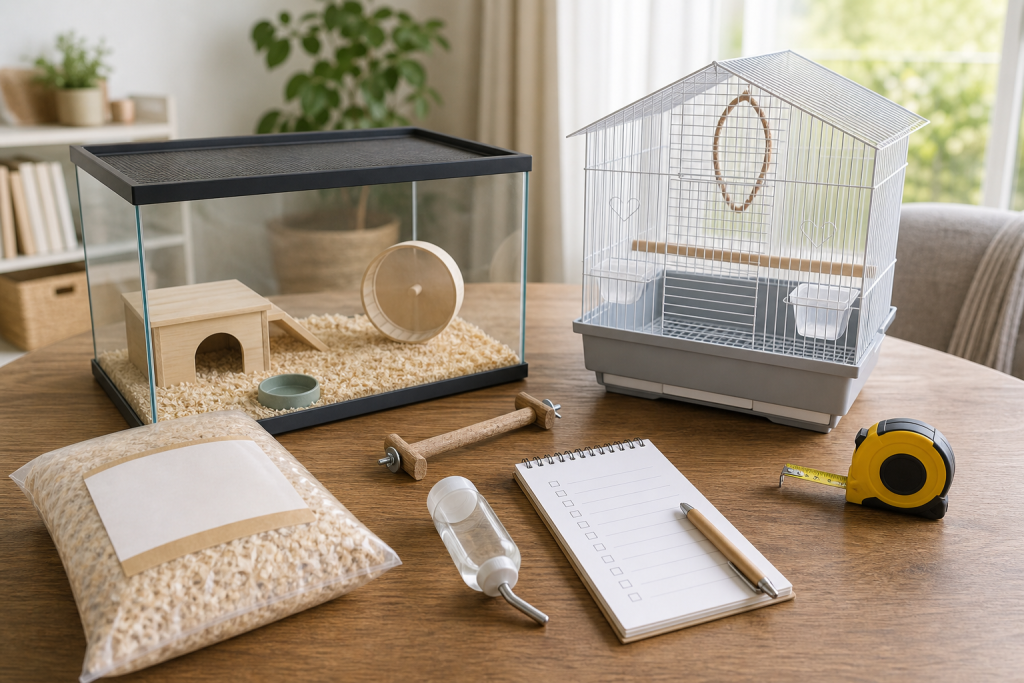
A cheap cage deal can be expensive if the enclosure is too small after you add bedding, perches, bowls, toys and a hideout. Before buying a bird cage, guinea pig starter kit or other small-pet habitat, measure usable interior space, check bar spacing or floor type, and read the return terms before the box is opened.
This matters now because pet retailers are running August promotions across bird and small-animal supplies, including current Pet Supermarket deal surfaces for rabbit or guinea pig starter kits, bird toys and cage accessories. A discount can still be useful, but only if the habitat fits the animal you actually keep and the checkout math still works after shipping, pickup timing and accessories.
Why the sale tag can mislead
Starter cages often look complete because the photo shows bedding, a wheel, a bottle, food bowls or a perch. The problem is that those accessories shrink the space the animal can really use. A habitat that looks roomy while empty may feel cramped once a hideout, hay rack, exercise wheel or bird perch is installed.
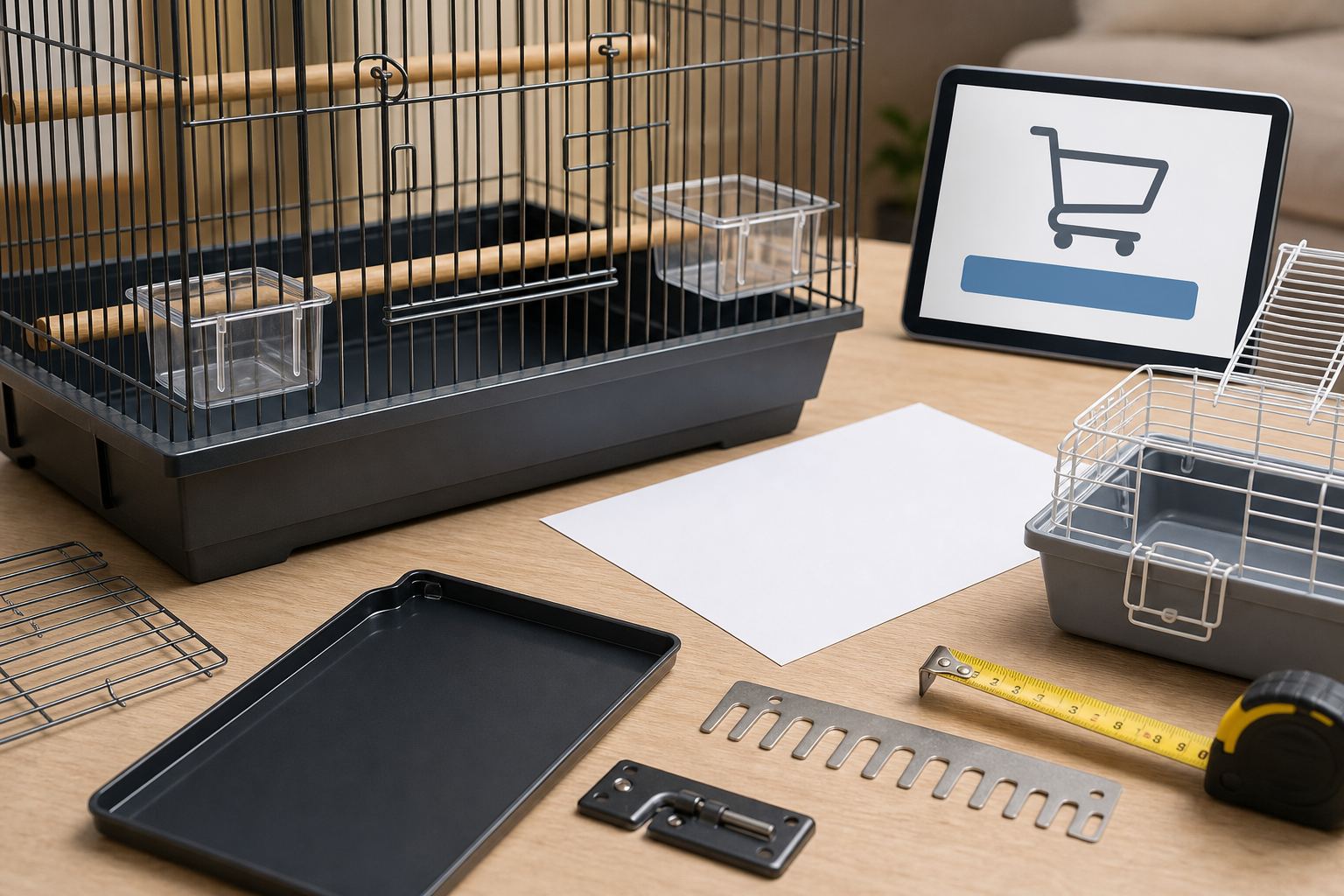
That is why the right first check is not the front-page discount. It is the inside measurement. Width, depth, height, door clearance, tray depth, bar spacing and floor style matter more than whether the product says “starter,” “deluxe” or “large.”
For small animals, count floor space first
Guinea pigs are the clearest example of why a cage label can be misleading. Humane World for Animals says one guinea pig needs at least 7.5 square feet, with 10.5 square feet preferred for two. Many bargain cages and starter kits are easier to ship than they are to live in.
Do not count shelves, ramps or narrow lofts as a substitute for open floor space. For guinea pigs and many other small mammals, usable flat space is the key part of the purchase. A taller cage can still be a poor buy if the floor pan is small, slippery, wired, hard to clean or filled by accessories.
For hamsters, gerbils, rabbits and other small pets, the exact need varies by species and size. The practical shopping rule is the same: look up a species-specific housing standard before checkout, then compare it with the product’s interior dimensions, not just the assembled exterior size.
For birds, bar spacing is not a detail
Bird cages bring a different risk. A cage can be wide enough to look comfortable but still have bar spacing that is wrong for the species. Revival Animal Health cites Association of Avian Veterinarians guidance that a cage should generally relate to the bird’s wingspan, and its guide emphasizes checking size, bar spacing, materials, placement and replacement parts.
Bar spacing should prevent toes, limbs or a head from getting trapped. A tiny bird may need narrower spacing than a larger parrot. A cage with curved or decorative bars also deserves extra scrutiny because bars can converge in ways that create pinch points.
Also check the door. If the cage opening is too small, daily cleaning and bowl changes become harder. If the latch is flimsy, a clever bird may test it. A cage that needs replacement bowls, perches or latches should have parts available from the manufacturer or retailer, not only from vague marketplace listings.
The checkout checklist before you pay
- Measure the interior floor, not only the outside box dimensions.
- Confirm species fit: guinea pig, rabbit, hamster, parakeet and conure needs are not interchangeable.
- Check bar spacing, door size, latch quality and whether the tray is removable.
- For small mammals, avoid wire floors unless a qualified source says the setup is appropriate for that species.
- For birds, check whether the cage lets the bird stretch, climb and move after perches and bowls are installed.
- Add the cost of bedding, liners, hay racks, food bowls, perches, toys, cleaning tools and replacement parts.
- Look at shipping rules and whether a large cage qualifies for free shipping or carries an oversized-item exception.
- Read return terms before assembly, because used or opened cage parts may be harder to return.
Deal and coupon checks
Pet Supermarket’s current site shows multiple pet-supply promotions and a dedicated deal area for fish, bird, small animals and reptiles. It also lists free shipping over a qualifying threshold with exclusions, same-day pickup timing and a 30-day return window for merchandise with original packaging and proof of purchase. Those terms matter more for cages than for a small bag of treats because the box is bulky and the setup may be hard to repackage.
Before using any coupon, check whether the cage itself is eligible, whether the discount applies before or after the shipping threshold, and whether pickup is safer than shipping for a large or fragile enclosure. Do not assume an Autoship or repeat-delivery offer applies to a cage. Those offers are usually more relevant to consumables such as food, bedding or hay.
A stronger cage deal is often not the cheapest cage. It is the setup that avoids a second purchase: enough space, correct species fit, safe materials, sturdy hardware and replacement accessories you can actually find later.
What to avoid
- A “starter” kit bought as permanent housing without checking species-specific space needs.
- A bird cage with bar spacing chosen by price, color or height alone.
- A cage that only works after buying several proprietary replacement parts you did not price first.
- A used cage with unknown paint, rust, repairs or contamination history.
- A product page that hides interior dimensions behind lifestyle photos.
- Opening and assembling the cage before confirming return rules, missing parts and fit.
Quick Answers
Is a starter cage ever a good deal?
Yes, if it meets the animal’s long-term space and safety needs after all accessories are installed. If it is only useful for travel, quarantine or a short transition, price it that way.
Should I buy the cage first or the pet first?
Buy the correctly sized habitat before bringing the pet home. That gives you time to measure the space, assemble the cage, wash safe accessories and fix missing parts without rushing.
Can I return a cage after assembling it?
Sometimes, but do not count on it. Retailer terms often depend on timing, receipt or packing slip, condition and original packaging. Check the exact return page before opening the box.
What is the safest coupon rule?
Apply the coupon only after the cage passes the fit checklist. A discount that pushes you into the wrong size usually costs more than waiting for a better habitat or buying fewer accessories upfront.
Sources
- Pet Supermarket, current deals and bird/small-pet shopping surfaces: https://www.petsupermarket.com/
- Pet Supermarket, shipping and return policy: https://www.petsupermarket.com/shipping-returns.html
- Humane World for Animals, guinea pig housing requirements and bedding options: https://www.humaneworld.org/en/resources/guinea-pig-housing-requirements
- Revival Animal Health, bird cage size, bar spacing and setup guide with cited avian-veterinary sources: https://www.revivalanimal.com/learning-center/my-first-bird-the-complete-guide-to-the-best-pet-bird-cages
- FDA Animal & Veterinary recalls and withdrawals, checked for current pet-food/product safety context before topic selection: https://www.fda.gov/animal-veterinary/safety-health/recalls-withdrawals
Sources last checked: August 11, 2026, 19:34 CEST, Europe/Rome.