
#dog grooming
#pet cologne
#pet fragrance
#waterless grooming
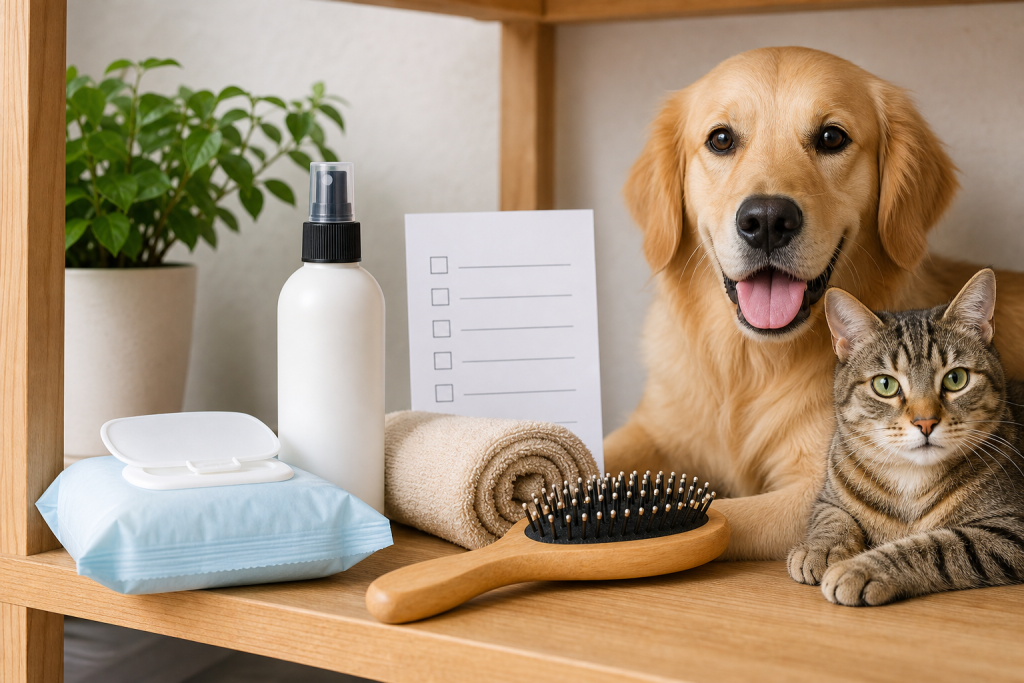
A pet cologne deal is only useful if the spray is made for dogs or cats, the scent is mild, and you already know why your pet smells. If the odor is strong, sudden, sour, fishy, yeasty, or coming from the ears, mouth or skin, a fragrance spray can hide a problem instead of solving it. The smart checkout move is to treat cologne as a short-term grooming extra, not a replacement for bathing, brushing, dental care or veterinary advice.
Why this deal is showing up now
Waterless grooming products, deodorizing sprays and pet perfumes are easy add-ons during summer travel, back-to-school schedule changes and quick pet-supply orders. They promise a cleaner-smelling dog bed, car seat, crate or couch without the time and mess of a full bath.
That convenience is real for some households. A light finishing spray after grooming, a wipe-down after a park visit, or a travel-size bottle in a pet bag can make sense. The mistake is buying the cheapest scented bottle because the listing says “natural,” “aromatherapy” or “odor eliminator” without checking whether the formula is meant for direct use on pets.
The smell check to do before checkout
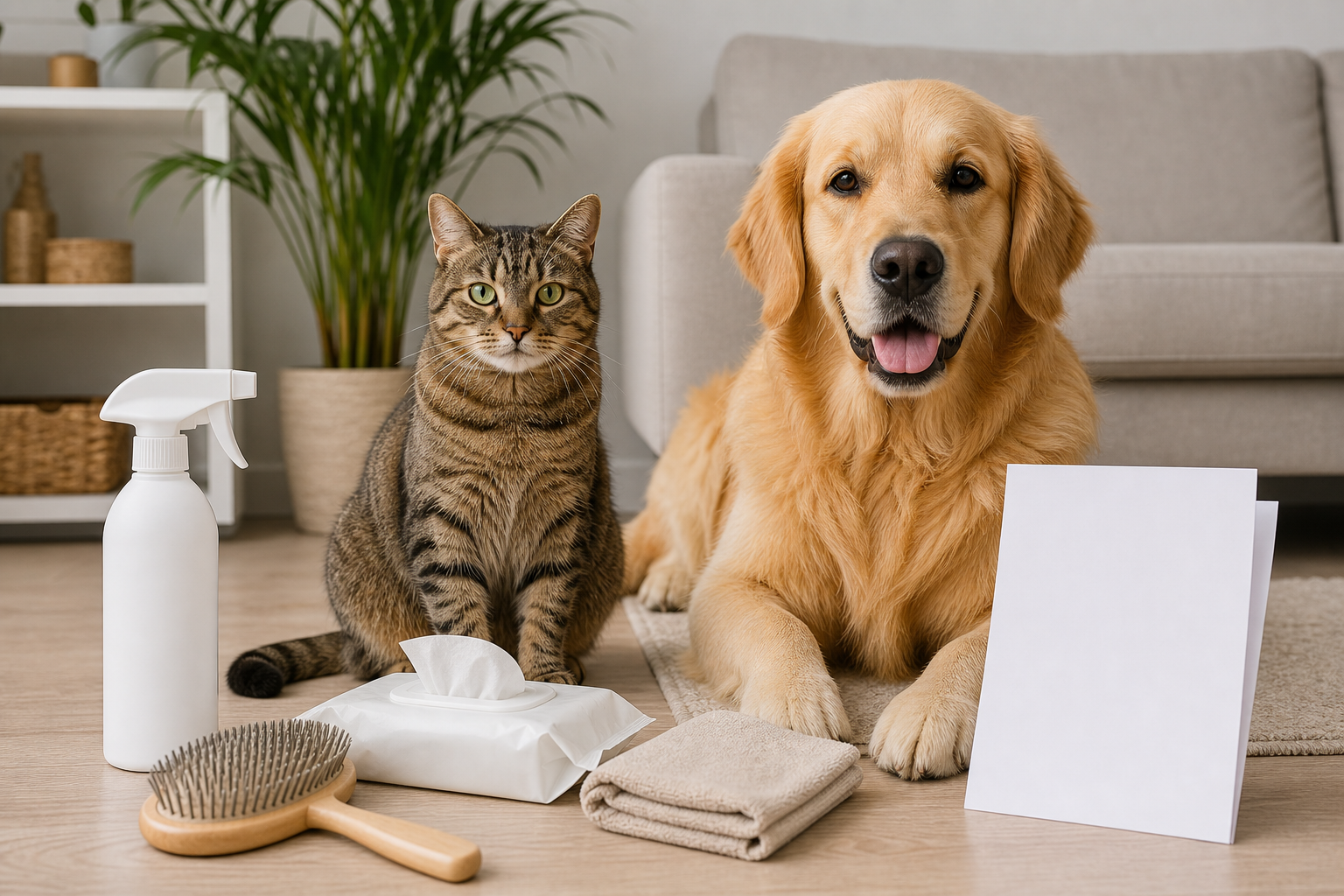
Before adding a pet cologne or deodorizing spray to your cart, decide what kind of odor you are trying to handle. A normal doggy smell after a walk is different from persistent odor that returns right after bathing. Reliable veterinary and pet-care sources warn that ongoing odor can come from areas such as skin, ears, mouth or anal glands, and those causes need more than perfume.
- Coat smells dusty or outdoorsy: a pet-safe grooming wipe, brush-out or mild deodorizing spray may be reasonable between baths.
- Odor comes from one ear: skip the scent spray and ask your vet, especially if there is redness, discharge, scratching or head shaking.
- Breath is the issue: a body spray will not fix dental odor. Look at dental care and veterinary guidance instead.
- Skin smells yeasty, sour or greasy: do not cover it with fragrance. A shampoo or spray can irritate some pets if the underlying skin problem is not handled.
- The litter box, bed or sofa smells: buy a cleaner for the surface, not a perfume for the animal.
Ingredients that deserve a second look
Pet fragrance labels can sound reassuring while still being vague. “Natural fragrance” does not tell you whether the scent is appropriate for your pet, and “essential oil” does not automatically mean safe. The ASPCA cautions that concentrated essential oils can be dangerous for pets, especially when they get on the coat, paws or skin and are later licked off.
Cats deserve extra caution because they groom constantly and can be sensitive to oils and airborne scents. If a product is marketed mostly for dogs, do not assume it is safe for cats in the same home. Also be careful with aerosol sprays, strong room fragrances and products that leave a noticeable residue on bedding or fur.
What a good pet cologne listing should tell you
- Species: the label should clearly say dog, cat, or both. “Pet” alone is not enough if you have a cat.
- Use area: check whether it is for coat use, bedding use, room use, or grooming-tool use. Those are not interchangeable.
- Application directions: look for instructions that keep spray away from eyes, nose, mouth, ears, genitals and irritated skin.
- Scent strength: choose mild or fragrance-free when your pet has allergies, asthma-like signs, sensitive skin or a strong dislike of scents.
- Residue and drying: a sticky finish can attract dirt or encourage licking.
- Return terms: scent preference is personal, and some opened grooming products may not be returnable.
The deal math shoppers miss
A cheap bottle can still be a poor deal if it takes several pumps per use, ships slowly, or cannot be returned once opened. Compare ounce size, not just bottle price. A small travel spray may be convenient for a carrier bag, while a larger bottle may make sense only if your pet tolerates the formula and you already use it regularly.
If the retailer pushes a grooming bundle, check whether every item is useful. A cologne, wipe, shampoo and conditioner set can look cheaper than buying separately, but it may lock you into a scent your pet dislikes. For Autoship or subscription carts, make sure the refill frequency matches real use. Most homes do not need pet perfume arriving every few weeks.
When to skip the spray entirely
Skip pet cologne if your dog or cat has red skin, open irritation, heavy licking, coughing around fragrances, eye watering, vomiting after grooming products, or a new odor you cannot explain. Do the same if the product is made for rooms, candles, diffusers, laundry or carpets rather than direct pet use.
For puppies, kittens, senior pets, pregnant pets and pets with chronic breathing or skin issues, ask your vet or groomer before using a scented spray. That is not because every grooming spray is dangerous. It is because the margin for irritation is smaller, and the odor may be telling you something worth checking.
A practical cart checklist
- Confirm the product is labeled for your pet’s species.
- Read the full ingredient and fragrance notes, not just the front label.
- Check whether it is safe for direct coat use or only for bedding and rooms.
- Choose a smaller bottle first if you have not used that scent before.
- Avoid strong essential-oil marketing unless your vet has cleared the product for your pet.
- Do not use it to cover ear, mouth, skin or anal-gland odor.
- Check return rules, shipping timing and subscription settings before paying.
Quick answers
Is pet cologne safe for cats?
Only use products clearly labeled for cats, and be cautious with strong fragrance or essential oils. Cats groom their coats, so anything left on fur can be ingested.
Can dog cologne replace a bath?
No. It may briefly freshen a clean coat, but it does not remove dirt, oil, allergens or skin debris the way proper grooming can.
What if my dog still smells after grooming?
Do not keep layering fragrance. Persistent odor after bathing can point to ears, skin, mouth or other issues, so ask your vet or groomer what to check next.
Are unscented products better?
Often, yes, especially for sensitive pets or multi-pet homes with cats. Unscented wipes or a gentle coat spray may be less likely to bother an animal that avoids strong smells.
Sources
- ASPCA, The Essentials of Essential Oils Around Pets
- ASPCA, Poisonous Household Products
- ASPCA, Pet Poisons: Household Products and Cleaning Agents
- PetMD, Common Ear Problems in Dogs
- Chewy, Smelly Dog? Here’s Why and How to Get Rid of Dog Smell
Sources last checked: August 12, 2026, 13:36 CEST, Europe/Rome.