
#pet emergency documents
#pet evacuation
#pet records
#storm pet supplies
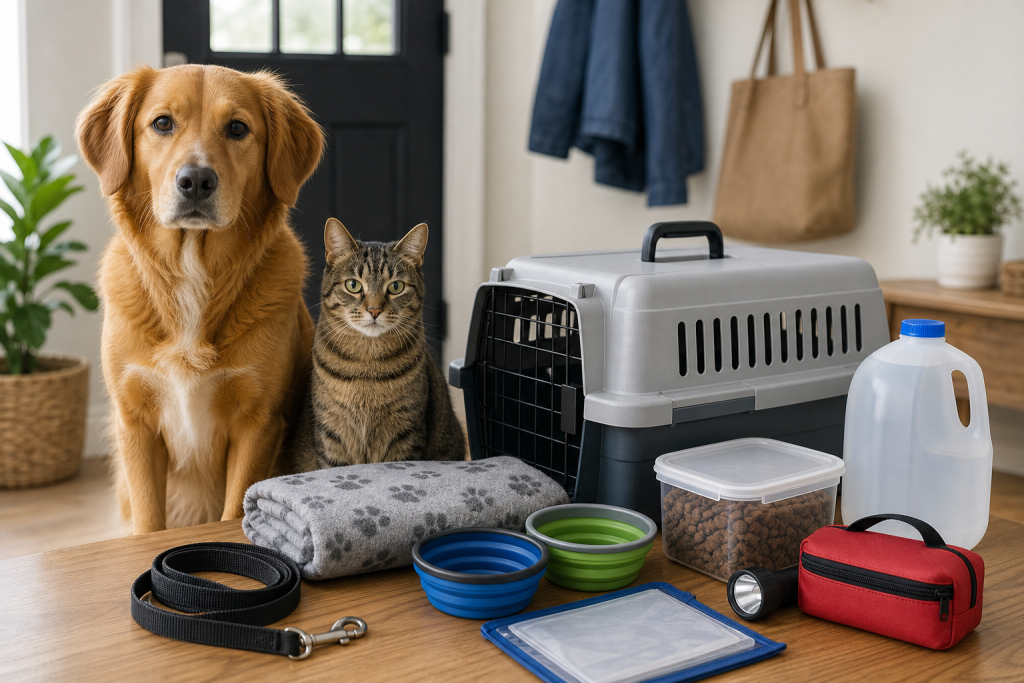
A cheap pet document pouch can fail if it only keeps papers tidy, not usable when a shelter, hotel, boarding kennel or vet asks for records. The point is not to buy a fancy organizer. It is to keep printed vaccination records, prescriptions, photos, microchip details and ownership proof dry, current and easy to find before you are already evacuating.
That matters right now because August is still storm season in many pet-owning households, and travel, boarding and temporary housing plans can change quickly. A pet emergency kit usually gets attention for food, water and first aid, but the paperwork pocket is the part many shoppers leave until the last minute.
Why a document pouch is a real pet-supply purchase
The CDC’s pet disaster kit checklist calls for photocopied veterinary records, including rabies certificates, vaccination records, medical summaries, prescriptions and recent test results where relevant. It also lists registration or ownership information, pet descriptions, recent photographs and a waterproof container for documents.
The American Red Cross gives similar advice: keep medications and copies of medical records in a waterproof container, and include current photos of you with your pet in case you are separated. Humane World also notes that some shelters, rescues, hotels, clinics and boarding kennels may require vaccination records during disasters.
That turns a simple pouch into a checkout decision. If the pouch is too small, not actually water-resistant, hard to label or buried inside a larger bag, it can fail even if the rest of your pet kit looks complete.
What to put in the pouch before you judge the deal
Start with printed copies, not only screenshots. Phones run out of power, apps lock accounts, and evacuation check-ins are faster when the record is already in your hand.
- Rabies certificate and current vaccination summary.
- Medication list, prescriptions, dose schedule and pharmacy or vet contact details.
- Medical summary for chronic conditions, allergies or special handling needs.
- Microchip number, registry contact details and a note that your registry contact info is current.
- Proof of ownership or adoption records.
- Recent clear photos of each pet, ideally including one with you.
- Pet description: species, breed or mix, color, weight, sex and identifying markings.
- Emergency contacts who can pick up or authorize care if you cannot.
The buying checks most owners skip
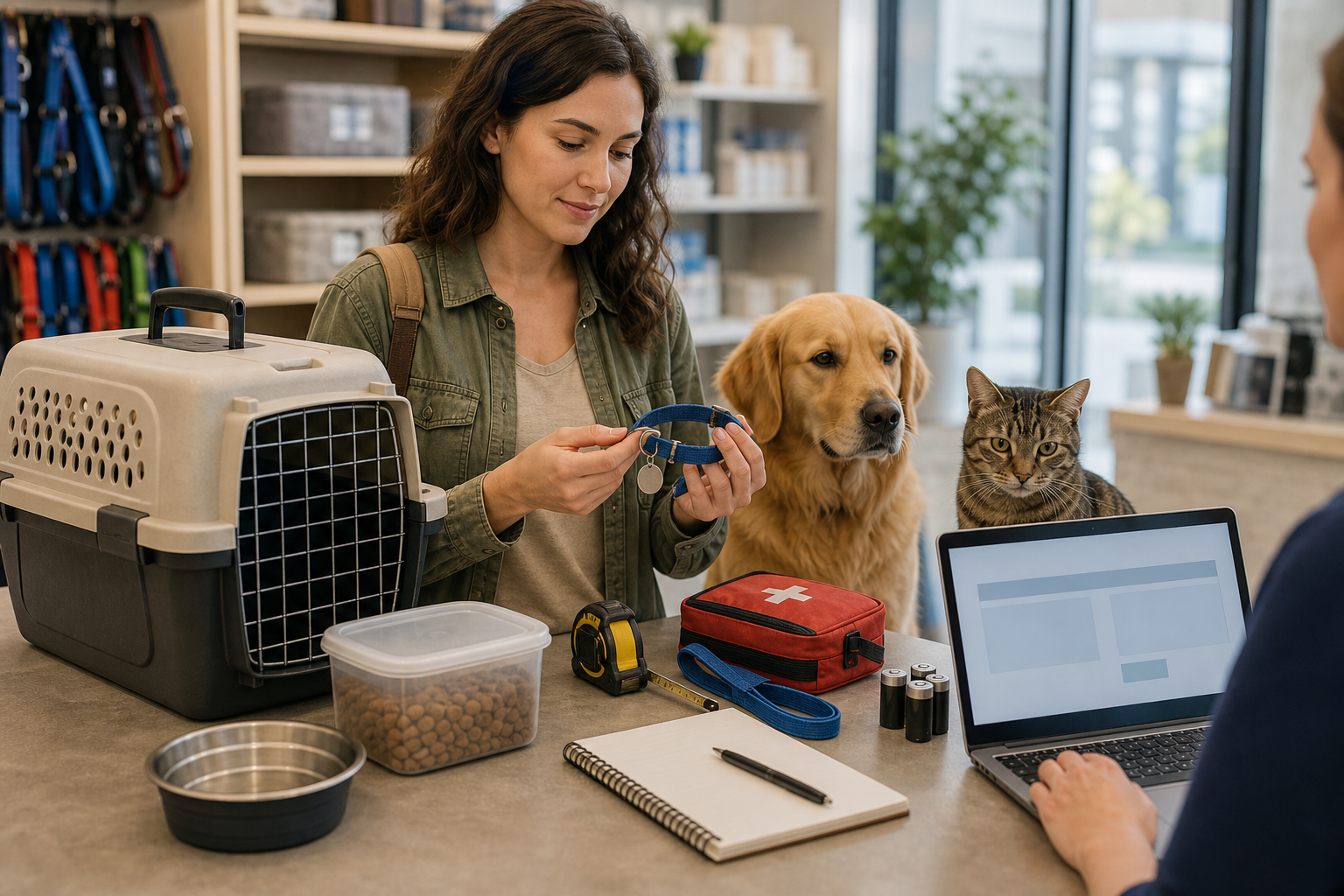
Do not buy the smallest waterproof pouch just because it is cheap. Folded records, vaccination certificates and prescription labels can become hard to read if they are jammed into a tiny sleeve. A letter-size or A4-compatible pouch is usually more practical than a wallet-size case if you keep full-page vet records.
Check the closure. A zipper with a fabric seam may be fine inside a dry backpack, but it is not the same as a sealed waterproof dry bag. For a storm kit, look for a pouch that clearly states its water-resistance level and still use an inner zip bag for critical papers if the listing is vague.
Check visibility and labeling. A clear front, bright color or luggage tag slot helps a family member, pet sitter or neighbor grab the right pouch quickly. If you have several pets, use separate labeled sleeves inside one larger pouch so a cat’s medication record does not get mixed with a dog’s vaccination certificate.
Check bulk. Some hard cases protect papers well but are too bulky for a carrier pocket, glove box or go-bag. A deal is not useful if the pouch is so awkward that it stays in a drawer during the evacuation.
Deal and coupon checks before you pay
Document organizers are often sold as multi-packs, travel pouches, fireproof bags or waterproof envelopes. Before treating a sale badge as savings, compare the final cart against the job you need the item to do.
Verify the usable size, not just the outside dimensions. Check whether the closure reduces the interior space and whether full-page documents must be folded. If the listing shows staged passports and cash but not letter-size pages, assume you need to measure.
Check return rules before buying a bundle. A five-pack may look cheaper per pouch, but it is waste if the closure is flimsy, the plastic smells strong or the sleeves are too cloudy to read through. If you are ordering from a marketplace seller, check who ships it, who handles returns and whether the listing uses vague phrases like “waterproof style” instead of a clear performance claim.
Do not add random filler items just to clear free shipping unless they improve the kit. Useful add-ons are labels, a waterproof marker, spare zip bags, a compact clipboard or a second pouch for medication instructions. Decorative organizers and tiny passport sleeves usually do less for pet evacuation than a plain, readable document system.
What to avoid
Avoid relying only on a vet portal, an email thread or a photo buried in your camera roll. Digital backups are smart, but printed copies solve a different problem: speed and access when service is poor or someone else is helping your pet.
Avoid old records. Put a review date on the front of the pouch and update it after annual vaccines, medication changes, a new microchip registration, a move or a change in emergency contact. A waterproof pouch full of stale information can create false confidence.
Avoid storing original irreplaceable documents if copies will do. Keep originals where you normally secure important papers, and put clean copies in the pet kit unless an official process specifically requires originals.
Avoid treating the pouch as a substitute for ID tags, microchip updates, carriers or leashes. The records help prove and coordinate care. They do not keep the pet physically contained or identifiable on their own.
Quick answers
Is a waterproof pouch necessary for every pet owner?
It is most useful if you live in a storm, wildfire, flood or evacuation-prone area, board your pet, travel with your pet, use prescription medications or have multiple pets with different records. Even outside disaster zones, a simple labeled folder can prevent a last-minute scramble.
Should I keep paper copies if my vet has online records?
Yes. Online records are a good backup, but printed copies are easier to hand to a shelter, hotel, boarding kennel, emergency clinic or caregiver when time and connectivity are limited.
How often should I update the pouch?
Review it at least twice a year and any time vaccines, medications, address, phone number, microchip registry details or emergency contacts change.
Can one pouch work for dogs and cats together?
Yes, if each pet has a clearly labeled sleeve or divider. Mixed records become a problem when a shelter or vet needs one animal’s rabies certificate or prescription instructions quickly.
Sources
Sources last checked: August 13, 2026, 04:33 Europe/Rome.
- CDC, Build a Pet Disaster Preparedness Kit.
- CDC, Be Prepared: Pet Safety in Emergencies.
- American Red Cross, Pet Disaster Preparedness and Recovery.
- Humane World for Animals, Pet Emergency Plan and Disaster Preparedness.
- FDA, Animal and Veterinary Recalls and Withdrawals, checked during topic selection.
- AVMA, Recalls and Safety Alerts, checked during topic selection.
- CPSC, Recalls, checked during topic selection.