
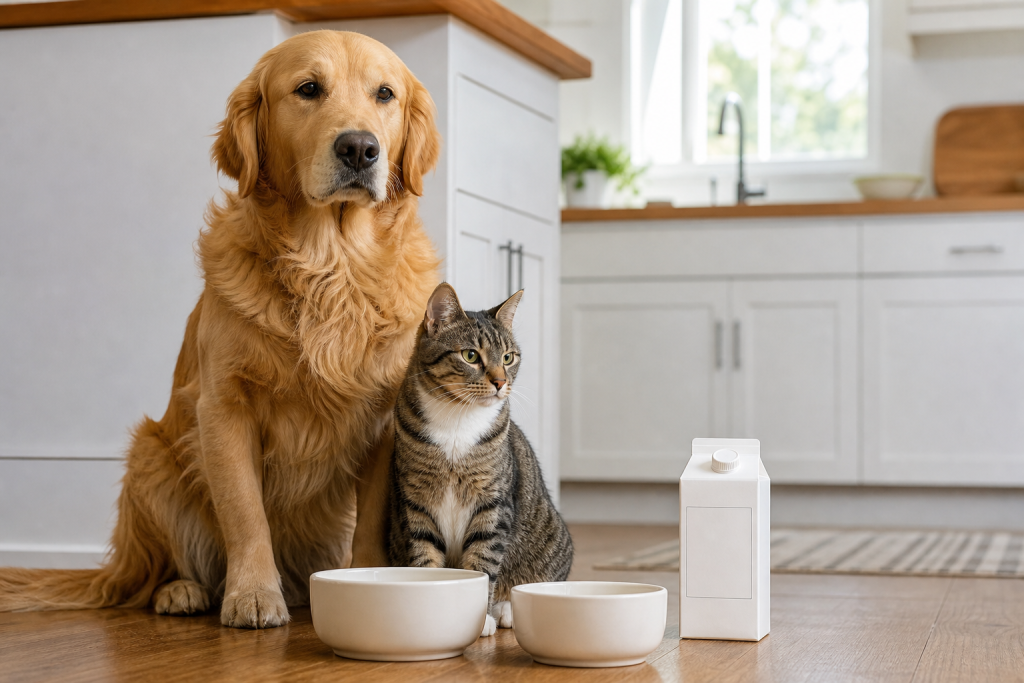
Goat milk toppers can be a useful moisture boost for some dogs and cats, but the deal gets risky when the product is raw, oversized, or treated like a health shortcut. Before you buy, check whether it is pasteurized, how fast it must be used after opening, and whether your pet’s regular food is already complete and balanced. If your pet has digestive trouble, chronic illness, or a restricted diet, ask your vet before adding it.
Goat milk has moved from niche raw-feeding circles into mainstream pet aisles as a topper, frozen treat base and picky-eater add-on. That makes the checkout mistake easier: shoppers compare the bottle price, not the safety process, serving size, storage rules or recurring cost.
Why this matters now
The current raw-milk conversation is not just about people. The FDA has told cat and dog food manufacturers using uncooked or unpasteurized poultry or cattle-derived ingredients, including unpasteurized milk, to reanalyze food safety plans for H5N1 as a known or reasonably foreseeable hazard. FDA also says cats and dogs can be exposed when they eat products from infected poultry or cattle that have not gone through a virus-inactivating process such as pasteurizing, cooking or canning.
That does not mean every goat milk topper is a recall or that every dairy topper is dangerous. It does mean shoppers should stop treating “raw” as an automatic premium feature. The safer shopping question is simple: what processing, storage and feeding instructions are actually printed on the product you are buying?
The checkout check most owners skip
Start with the front label, then turn the package around. Look for the word “pasteurized” or a clear equivalent processing statement. If the label says raw, unpasteurized or frozen raw, treat it as a higher-risk purchase and talk with your veterinarian before using it, especially for cats, puppies, kittens, senior pets, pregnant pets or immunocompromised households.
Next, check whether the topper is sold as a complete food, a supplement, or a treat. Most goat milk products are toppers, not a balanced diet. That matters because a generous splash can quietly add calories while replacing food your pet actually needs. If the product gives a daily amount, do the math against your pet’s normal meal plan instead of guessing by capful.
Finally, read the storage rules before you buy the bigger size. Refrigerated liquid may need to be used quickly after opening. Frozen formats need freezer space and safe thawing habits. Powder can be cheaper per serving, but only if your pet tolerates it, you measure it consistently and the container stays dry.
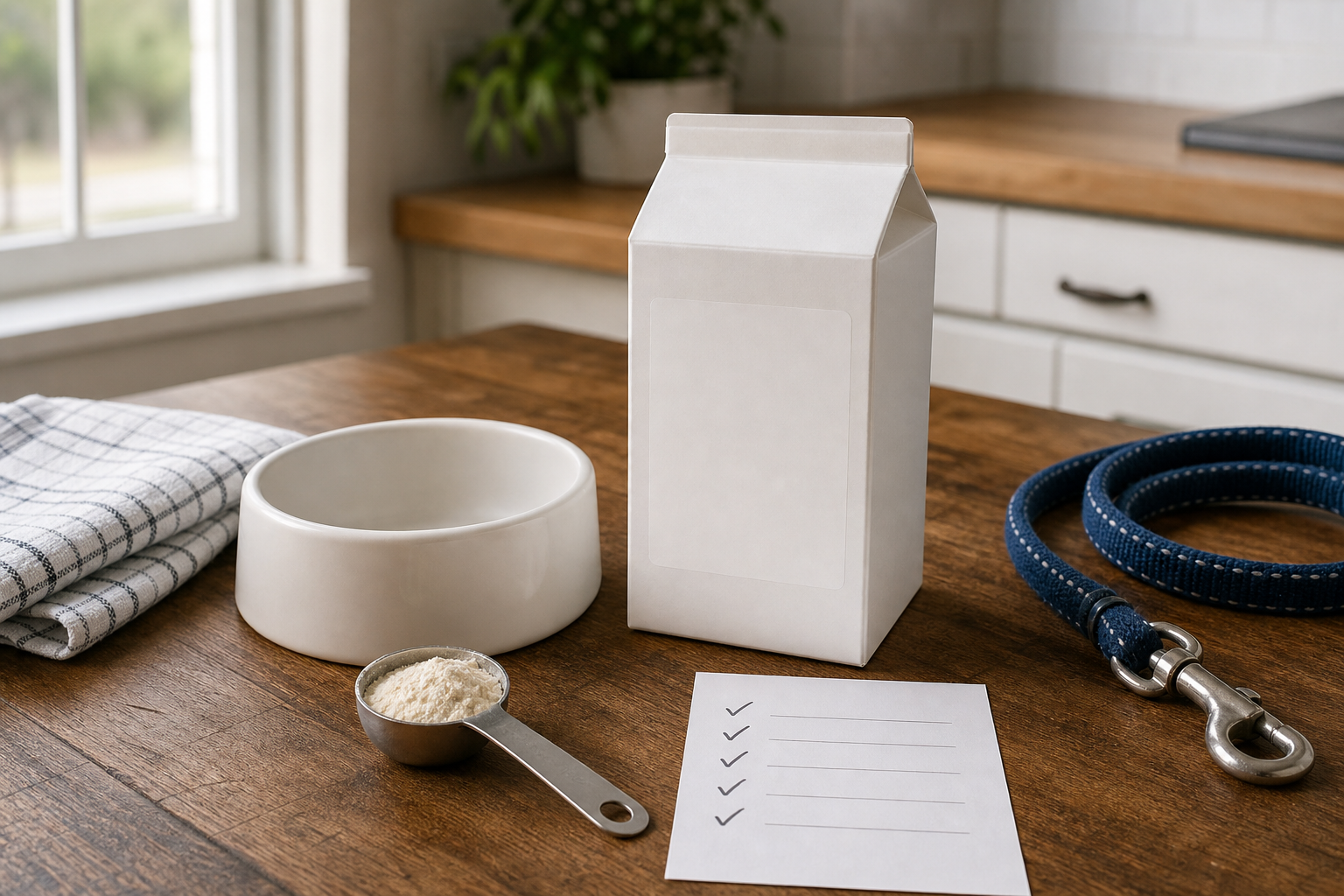
When a goat milk deal is not really a deal
A discount on a large bottle can look better than it is if you throw half of it away. Compare cost per usable serving, not cost per ounce. The best value may be a smaller pasteurized bottle, a powder you can mix in small amounts, or no topper at all if your pet already eats well.
Autoship deserves the same scrutiny. Before subscribing, check whether the retailer lets you pause, skip or cancel before the next order, and whether refrigerated or frozen items have different return or refund rules. Do not assume a first-order discount will apply to repeat shipments. Also check the minimum order for free shipping because a small topper can push you into adding items you did not plan to buy.
Coupon codes can help, but they should not decide the product. Verify the final cart total after shipping, cold-pack fees, taxes and subscription terms. If the only way the topper looks affordable is by buying more than your pet can use safely, it is not a smart deal.
What to avoid
Avoid buying raw milk toppers because a social post says they are more “natural” or more “digestible.” AVMA’s raw milk policy says these products can contain organisms that cause disease and should be labeled as not pasteurized where they are sold. That is enough reason to slow down and verify the product rather than relying on marketing language.
Avoid products that make broad disease, immunity or cure-style claims. Goat milk is not a substitute for a veterinary exam, prescription diet, hydration plan or treatment. If your dog or cat is vomiting, losing weight, refusing food, having diarrhea or showing sudden appetite changes, a topper can delay the real answer.
Avoid giving dairy toppers to pets that already react poorly to dairy unless your vet has specifically cleared it. Even pasteurized products can cause digestive upset in some animals. Introduce any new topper slowly, keep portions small and stop if it clearly does not agree with your pet.
A practical buying checklist
- Choose pasteurized over raw unless your veterinarian has a specific reason to advise otherwise.
- Check whether it is a topper, treat, supplement or complete food.
- Calculate cost per measured serving, not just bottle price.
- Match the package size to the use-by window after opening.
- Confirm refrigeration, freezing or reconstitution instructions before checkout.
- Review autoship cancellation timing, shipping thresholds and cold-item refund rules.
- Keep the original package or lot code until the product is finished.
Who should be extra cautious
Cat owners should be especially careful with raw or unpasteurized animal-derived foods because FDA has described severe illness and deaths in cats associated with H5N1 exposure through contaminated food products. Dog owners should still pay attention. FDA says dogs can contract H5N1, even though reported illness patterns differ from cats.
Households with small children, older adults, pregnant people or immunocompromised family members should also think beyond the pet bowl. Raw animal products can create handling and cleanup risks in kitchens, freezers and feeding areas. If you choose any refrigerated or frozen pet food topper, wash hands, clean bowls and avoid cross-contamination with human food surfaces.
Quick answers
Is goat milk safe for every dog or cat?
No. Some pets tolerate small amounts, and some do not. Health status, age, diet history and the exact product matter, so ask your vet if your pet has medical issues or a sensitive stomach.
Is raw goat milk better than pasteurized goat milk?
Do not assume that. Raw or unpasteurized animal-derived ingredients carry food-safety risks. Current FDA and AVMA guidance gives pet owners a strong reason to prefer verified processing and cautious handling over raw-food marketing claims.
Can a goat milk topper replace wet food?
Usually no. A topper may add moisture or flavor, but it generally does not replace a complete and balanced food. Check the label and keep your pet’s main diet consistent unless your vet recommends a change.
What is the smartest deal move?
Buy the smallest pasteurized format that lets you test tolerance and usage without waste. Upgrade only after your pet handles it well, the storage window works, and the repeat price still makes sense.
Sources
- U.S. Food and Drug Administration, Cat and Dog Food Manufacturers Required to Consider H5N1 in Food Safety Plans.
- U.S. Food and Drug Administration, FDA Outlines Ways to Reduce Risk of HPAI in Cats.
- American Veterinary Medical Association, Raw Milk policy.
- Chewy Customer Care, Autoship and returns help center.
- Petco, Autoship terms and frequently asked questions.
Sources last checked: August 21, 2026, 04:36 CEST, Europe/Rome.