
#induction cooktop safety
#pet fire safety
#pet-proof kitchen
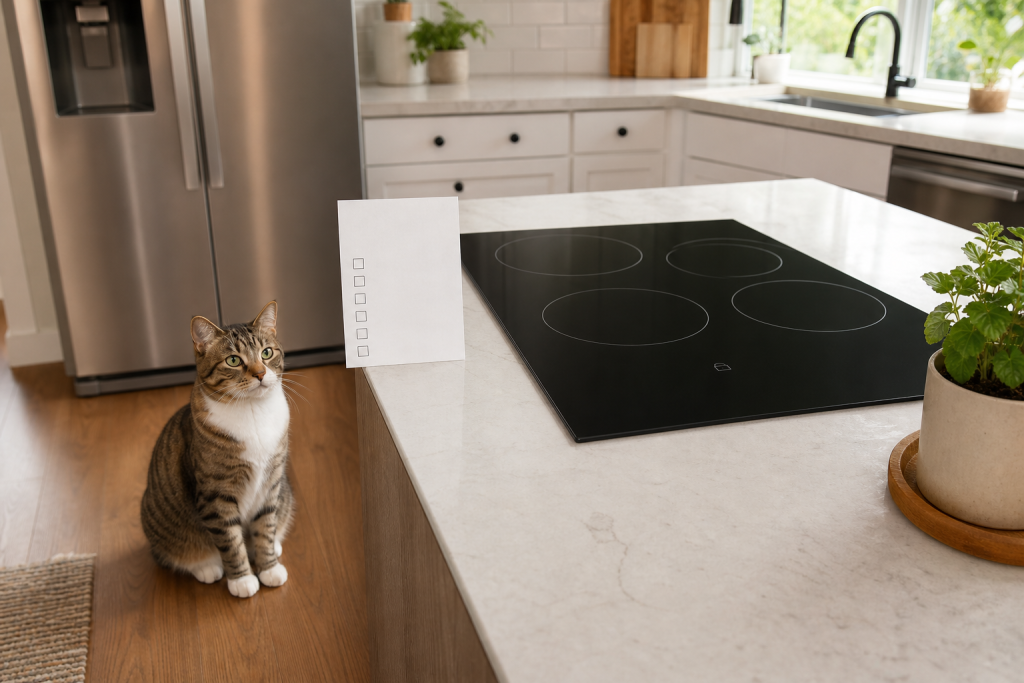
An induction or touch-control cooktop is not automatically pet-safe just because it has modern safety features. Before buying one for a home with cats or counter-surfing dogs, check how the control lock works, whether it stays locked after cleaning or power interruptions, what cookware detection actually does and whether you still need a physical way to keep pets off the cooking area. The deal is only useful if the appliance, your kitchen layout and your pet-proofing plan work together.
This matters now because pet-related kitchen fires keep showing up in safety guidance and recall notices, while shoppers are also comparing newer induction cooktops with touch panels, child locks and automatic shutoff claims. Those features can help, but they are not a substitute for reading the manual, keeping the cooktop clear and blocking access when pets are alone.
Why this matters before checkout
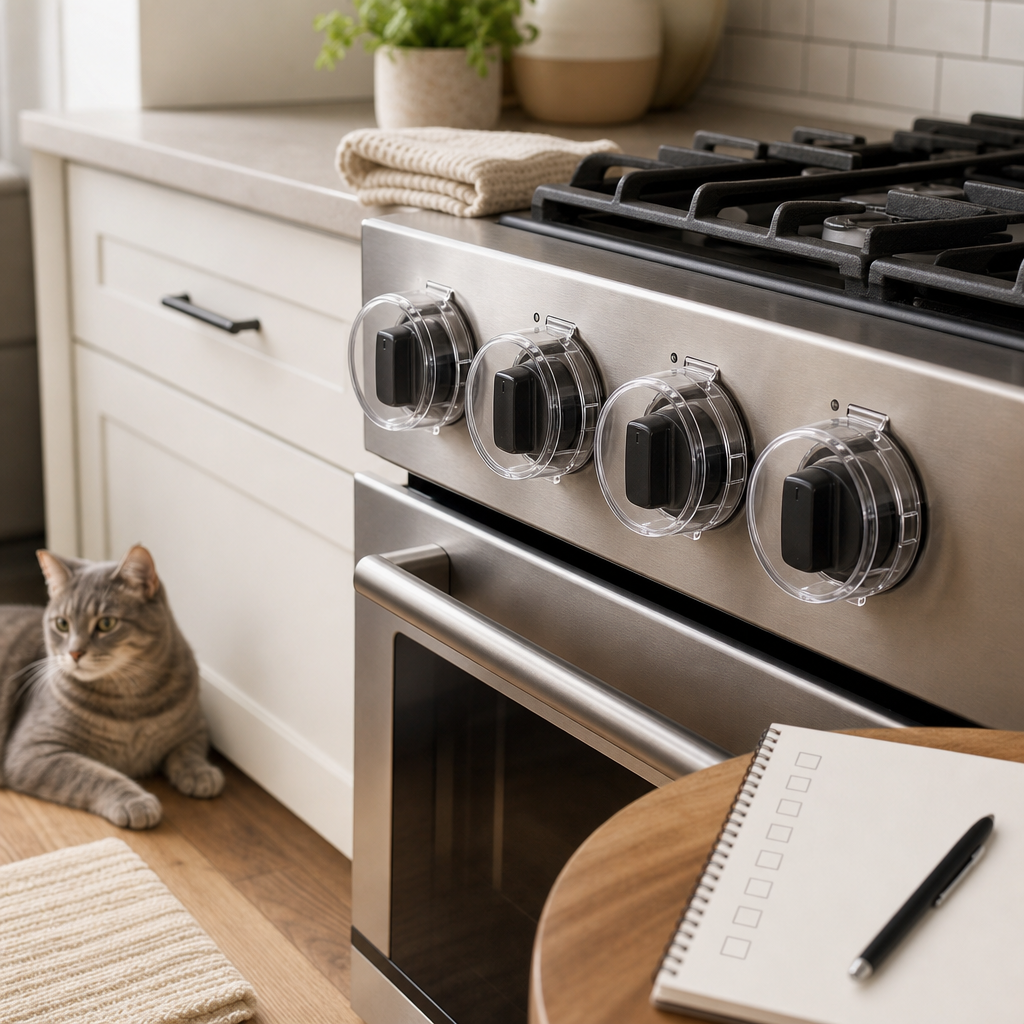
The strongest reason to slow down is simple: cooking surfaces are a known pet-fire risk. The American Red Cross tells pet owners to remove stove knobs or protect them with covers before leaving home, noting that a stove or cooktop is the top piece of equipment involved when pets start fires.
Recent appliance recalls make the point more concrete. The U.S. Consumer Product Safety Commission announced Samsung and LG electric range recalls after front-mounted knobs could be activated by accidental contact from people or pets. Those recalls are about specific knob-style ranges, not every stove and not every induction cooktop. Still, they show why a buyer should treat “pets cannot turn this on” as a feature to verify, not a marketing line to trust blindly.
The control-lock detail owners miss
Many induction cooktops have touch controls instead of front knobs, and many advertise child locks, pan detection, residual heat indicators or auto shutoff. That sounds reassuring, especially for cat owners. The problem is that the useful detail is usually buried in the manual or support page.
Before you buy, find out whether the lock blocks every cooking zone, whether it works when the surface is wet, how long you must press the lock button, and whether the unit remembers the locked state after power is restored. If the lock is easy for a paw to disable, or if it resets after a brief outage, it is less helpful in a pet home than the product badge suggests.
Pan detection also deserves a closer look. Induction usually needs compatible cookware to heat, but that does not mean you can leave pans, lids, utensils, mail or pet treats on the surface. A clear cooktop is still the safer habit.
What to check before buying
- Control placement: Touch controls on the front edge may be easier for a cat, large dog or child to reach than controls set farther back.
- Lock behavior: Check the manual for exact lock steps, unlock steps and whether the lock survives a power interruption.
- Cookware detection: Confirm what happens if a compatible pan is left on the surface. Do not assume the feature prevents every accidental start.
- Auto shutoff: Look for the conditions that trigger shutoff. Time limits and overheat protection are not the same as pet-proofing.
- Counter access: If your pet jumps on counters, the appliance feature is only one layer. You may need gates, training, closed kitchen doors or clear counters.
- Manual access: Download the manual before checkout. If the retailer page does not link it, check the manufacturer’s support site.
- Recall and support path: Search the model number on the CPSC recall site and the manufacturer’s support page before paying.
Deal and coupon checks
Cooktops, portable induction burners and knob-cover kits are easy to compare by headline price, but that is not enough for a pet home. Add installation, cookware compatibility, shipping, return shipping, warranty length, replacement knobs or covers, and whether the seller is the manufacturer, an authorized retailer or a marketplace seller.
If a coupon applies only to a specific model, do not let it push you into a control layout that is worse for your home. A cheaper front-control unit may be a poor deal if your pet can reach it. A more expensive cooktop with a clearly documented lock, easy-to-clean touch panel and better support may be the better buy.
For knob-cover purchases, measure before ordering. Covers that block visibility, melt near heat, interfere with normal use or do not fit the knob spacing can become another returned gadget. If your appliance is under a recall or safety notice, follow the manufacturer’s recall remedy instead of buying a random accessory and assuming the issue is solved.
What to avoid
Avoid any listing that claims a cooktop is pet-proof without explaining the lock, control placement and shutoff behavior. Also avoid leaving the surface covered with towels, papers, food packaging or pet supplies. A cover that seems convenient can create its own hazard if it is placed near heat or forgotten on the cooking surface.
Do not rely on an app alert as your only safeguard. A phone notification can be delayed, muted or missed. The first line of defense is preventing accidental activation and keeping combustible items off the cooktop.
Finally, do not treat induction as a reason to relax every kitchen rule. It can reduce some risks compared with open flames or exposed coils, but a curious pet, a reachable control panel and a compatible pan left in place can still create a bad setup.
When a simple fix beats a new appliance
If your current range has knobs that can be removed or covered safely, that may be the smarter purchase than replacing the appliance. If your problem is a cat crossing the counter at night, a control lock alone may not solve it. Clear counters, closed kitchen access, covered knobs, working smoke alarms and a pet-safe fire plan matter more than a single feature.
If you are already shopping for a new cooktop, use pet safety as a tie-breaker. Choose the model whose safety controls you can understand before purchase, whose manual is easy to find and whose support path is clear if something changes.
FAQ
Is an induction cooktop safer for homes with cats?
It can be safer in some ways, but it is not automatically cat-proof. Check the control lock, pan detection and counter access before treating it as a pet-safety upgrade.
Should I buy stove knob covers if I have a pet?
They can help on knob-style ranges if they fit correctly and do not interfere with safe cooking. For recalled ranges, follow the official recall instructions and request the manufacturer’s remedy when offered.
Can a pet turn on a touch-control cooktop?
It depends on the model, the control layout and whether the lock is active. That is why the manual matters more than the product badge.
What is the biggest checkout mistake?
Buying the appliance with the biggest discount without checking how the controls lock, where the controls sit, what happens after a power interruption and whether your pet can reach the surface.
Sources
Sources last checked August 21, 2026, 13:39 CEST, Europe/Rome.
- American Red Cross, Pet Fire Safety
- U.S. Consumer Product Safety Commission, Samsung slide-in electric range recall
- U.S. Consumer Product Safety Commission, LG electric range recall
- Sub-Zero, Wolf and Cove, child safety knob cover FAQ
- Ciarra Appliances, induction hob safety features
- People, July 2026 pet-triggered kitchen fire report used as a current safety-demand signal