
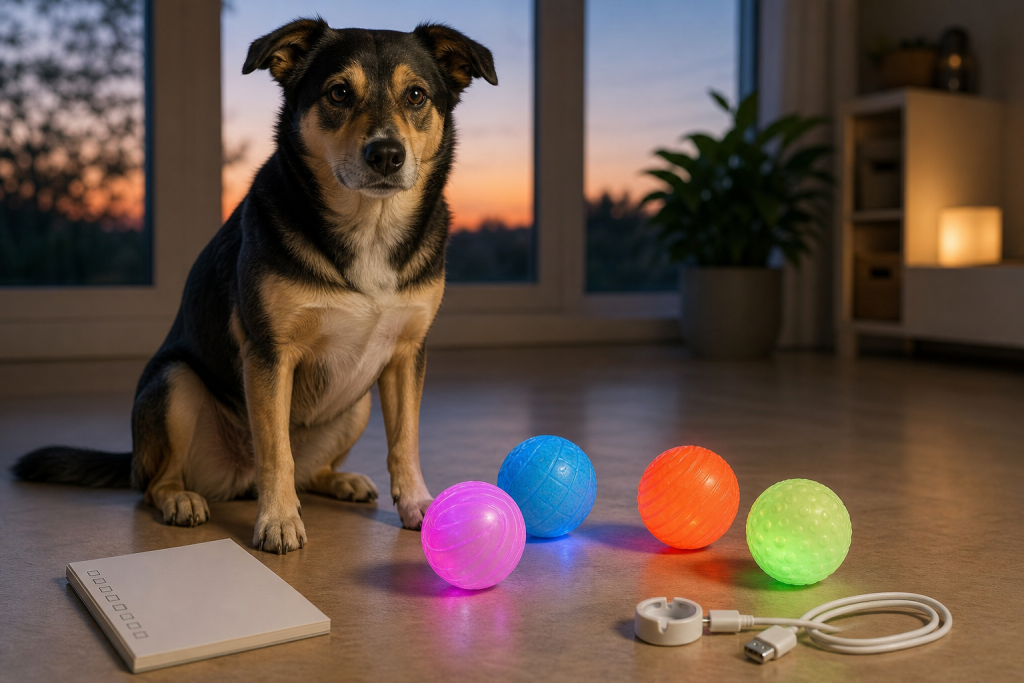
An electric dog toy deal can be worth it only if the toy is built for your dog’s size, chewing style and supervision level. The mistake is treating a moving ball or battery-powered toy like a safe babysitter. Before checkout, check the battery compartment, shell durability, charging parts, noise level and whether the retailer will take it back after a short trial.
Interactive dog toys are getting fresh attention because pet owners are shopping for indoor enrichment that keeps dogs busy when walks are shorter, schedules change or bad weather keeps everyone inside. A recent People shopping roundup highlighted an electric rolling dog ball as a low-cost Amazon find, which is a useful demand signal, but a sale badge does not prove the toy is right for your dog. Battery-powered movement adds one more thing to inspect before you let a strong chewer chase it across the floor.
Why This Deal Is Showing Up Now
Late summer and early fall are prime times for indoor dog-toy shopping. Families move back into school and work routines, storms can interrupt outdoor exercise, and high-energy dogs still need safe ways to burn mental energy. That makes motion-activated balls, wobbling toys, puzzle toys and treat-dispensing games easy to click into a cart.
The American Kennel Club’s dog-toy guidance is a good reminder that dogs do not all need the same toy. Heavy chewers need durable toys that do not break into small pieces, while timid or smaller dogs may do better with slower, softer play. A motorized toy that excites one dog may scare another or become a chew target after the novelty wears off.
The One Detail to Check Before You Pay
Start with the battery access. If the toy uses button or coin batteries, the compartment should not be easy for a dog, child or dropped toy impact to open. The U.S. Consumer Product Safety Commission says consumer products with replaceable button or coin batteries need secured compartments and warnings, and its recall notices repeatedly point to the danger of accessible small batteries.
Rechargeable toys are not automatically better. Check whether the charging port has a cover, whether the cable is standard or proprietary, and whether the instructions say the toy must be fully dry before charging. If the toy has a detachable plush cover, removable sleeve or small cap, treat each part as something your dog might pull loose.
A Smart Buying Checklist for Electric Dog Toys
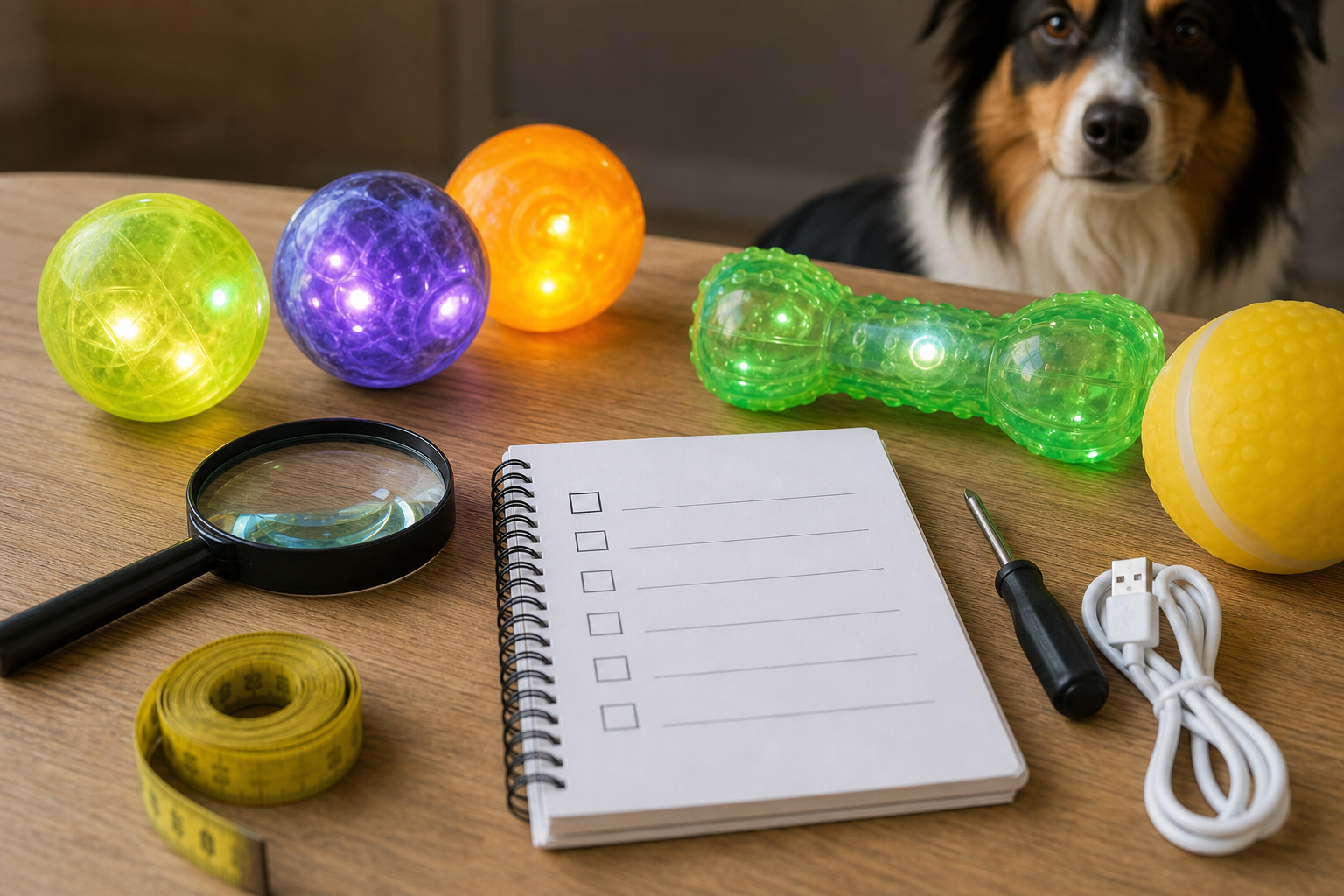
Use the product page like a risk screen, not just a feature list. A good listing should tell you the intended dog size, whether the toy is for supervised play only, the battery or charging method, the material, the approximate run time, cleaning instructions and what to do if the shell cracks.
- Match the chew style. If your dog destroys rubber toys or searches for squeakers, do not assume a moving toy will survive because it says “tough” or “chew safe.”
- Check the shape and size. A toy that is too small can become a choking risk, while a very hard toy can be rough on teeth for some dogs.
- Look for a real off switch. Motion toys should be easy to stop before your dog gets overstimulated or starts biting at the motor area.
- Read the cleaning instructions. Pet hair, drool and treat crumbs can build up around seams, wheels, ports and textured covers.
- Confirm replacement parts. Covers, sleeves, charging cords and outer shells matter if the toy is supposed to last beyond the first week.
Humane World for Animals notes that many toys should be used only when you can supervise them, especially items that may pose choking risks. American Humane also recommends avoiding pet toys that are small enough to swallow, can splinter or shed pieces, and treating “indestructible” wording with caution. That advice matters more when the toy also contains electronics.
When the Sale Price Is Not the Real Cost
A cheap electric toy can stop being cheap if it needs proprietary covers, odd charging cables, frequent replacements or paid shipping on returns. Before buying, compare the deal price with the return window, the cost of replacement shells or covers, and whether the seller is the brand, a marketplace reseller or an unknown third party.
Do not count on a coupon if the discount is not visible in your cart. For retailer promos, verify the eligible seller, exclusions, minimum order, shipping fee, return terms and whether the sale item can be returned after your dog has mouthed it. If the toy is sold through a marketplace, check who handles returns and warranty claims before opening the packaging.
What to Avoid
Avoid any electric dog toy that hides basic safety information behind vague wording. “For all dogs” is not a useful promise if the listing does not address chewing strength, weight range, supervision or battery access. Also avoid listings that show no clear photo of the charging port, seam, battery door or size scale.
Skip toys that encourage unattended play for dogs that chew aggressively, guard toys or bite down hard when excited. If your dog has a history of swallowing toy pieces, breaking plastic or cracking hard chews, ask your veterinarian what play options make sense. A motorized toy should add enrichment, not replace walks, training, safe chew outlets or human supervision.
Better Ways to Trial the Toy
Open the toy only after you have read the return policy and saved the order details. Charge it away from your dog, inspect every seam, and run the first play session on a clear floor without food bowls, stairs, loose cables or fragile furniture nearby. Stop the session while your dog is still interested rather than waiting until frustration turns into chewing.
After the first session, check for tooth marks, loose parts, heat, rattling, exposed electronics or changes in sound. If anything looks damaged, take it away. No discount is good enough to keep using a toy that is coming apart.
FAQ
Are electric dog toys safe?
They can be useful for supervised enrichment, but safety depends on your dog, the toy design and the battery or charging setup. Treat the first few uses as a trial, not proof that the toy can be left out all day.
Should heavy chewers use motion-activated toys?
Only with caution. Heavy chewers may bite the shell, port or moving parts instead of chasing the toy. Choose a toy designed for that chewing style, supervise closely and remove it if damage appears.
Is a rechargeable toy safer than a battery toy?
Not always. Rechargeable toys avoid loose replacement batteries, but they still need a protected charging port, sound construction and clear charging instructions. Button or coin battery toys need especially careful battery-compartment checks.
What should I verify before using a coupon?
Check the final cart price, seller, shipping fee, return window, warranty contact, replacement-part availability and whether the promo excludes marketplace items or opened toys.
Sources
Sources last checked: September 1, 2026, 01:33 CEST, Europe/Rome.
- People, electric interactive dog toy shopping coverage
- American Kennel Club, dog toy selection guidance
- Humane World for Animals, safe dog toys
- American Humane, choosing safe toys for pets
- U.S. Consumer Product Safety Commission, button cell and coin battery guidance
- PetSmart promotional terms, used for deal-check context
- Petco returns, used for return-policy context