
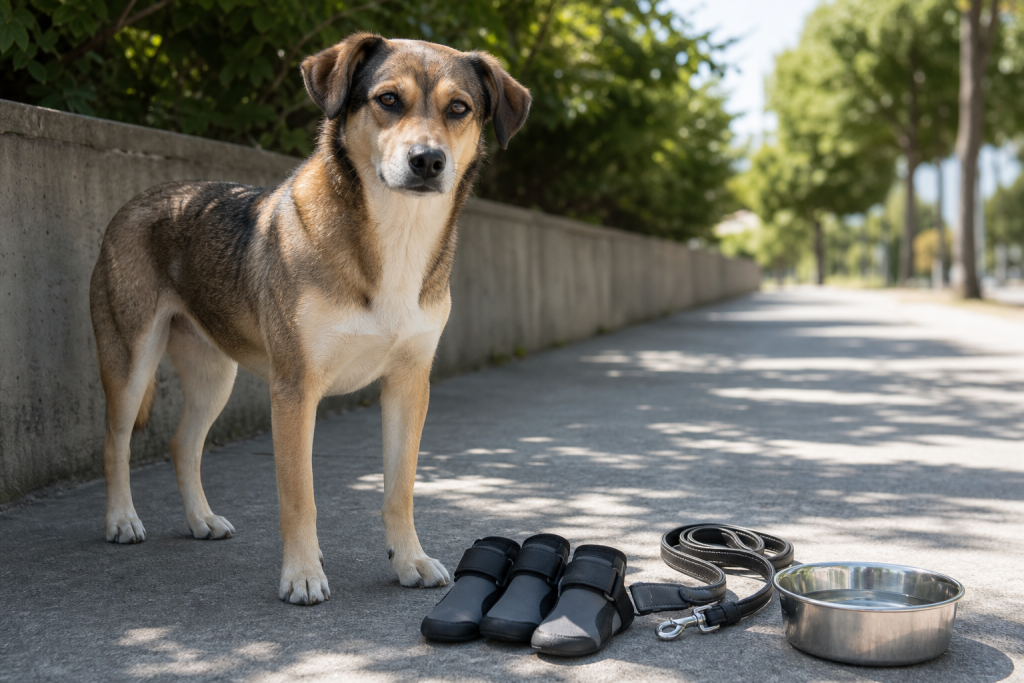
A waterproof dog boot deal is only useful if the boots stay on, flex with the paw and match the surface your dog will actually walk on. The checkout mistake is buying by breed or body weight instead of paw width, closure style and tread. For wet fall walks, salt season and slick sidewalks, fit and traction matter more than a big discount badge.
Dog boots are trending again because shoppers are moving from summer paw-burn protection into rain, mud and early cold-weather prep. Retailer pages are full of waterproof, reflective and anti-slip claims, while pet owners are also seeing more boot recommendations for snowmelt chemicals, rough ground and dark evening walks. That makes this a good time to slow down before buying a four-pack that looks cheap but gets kicked off in the first block.
Why The Cheapest Waterproof Boots Can Be The Wrong Buy
Most dog boot listings promise some version of waterproofing, traction and adjustable straps. Those words are not enough by themselves. A thin rubber boot can be useful for quick rain or salt exposure, but it may wear quickly on rough pavement. A rugged hiking-style boot may grip better, but it can feel stiff or heavy for a small dog that only needs short neighborhood walks.
The first checkout question is not “which boot is best?” It is “what problem am I solving?” Mud, wet grass, salted sidewalks, ice, hot pavement and rocky trails are different jobs. AKC’s dog boot guidance notes that different boots suit different outdoor conditions, and highlights traction, reflective strips and adjustable closures as features to compare. That is exactly where many sale listings blur together.
The Fit Check To Do Before You Pay
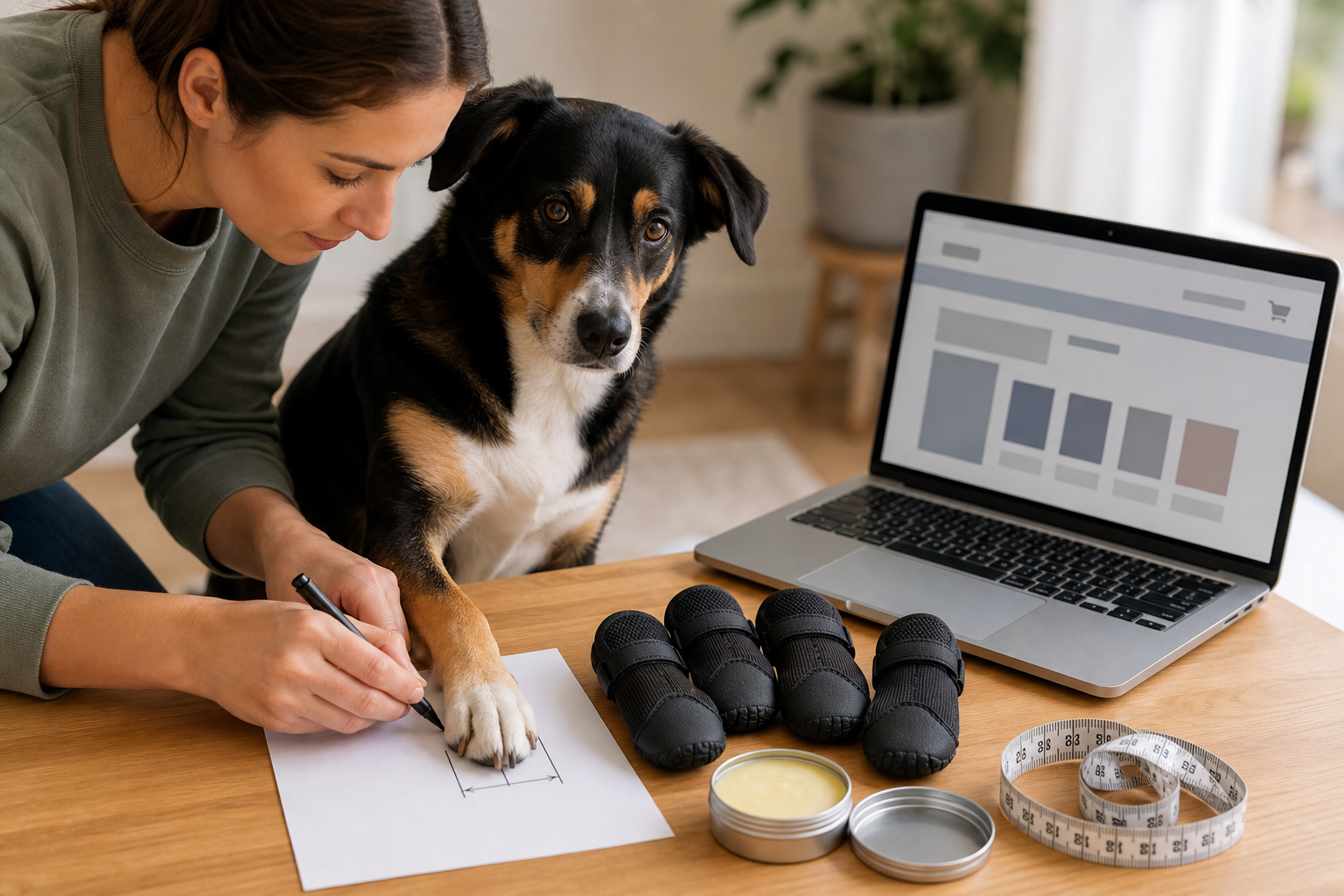
Do not rely on your dog’s breed name or weight alone. Paw shape varies, even between dogs of the same breed. Measure the front paw while your dog is standing, because the paw spreads under weight. Compare that width to the brand’s size chart, then check whether the listing uses inner boot dimensions or outer dimensions.
Look closely at the closure. A single strap can be easy to fasten, but active dogs may need a higher cuff or a second adjustment point. Boots should be snug enough not to twist, but not so tight that they rub the dewclaw area or restrict normal movement. If your dog has never worn boots, plan for short indoor practice sessions before expecting a normal outdoor walk.
What To Verify In A Deal Listing
- Waterproof or water-resistant: waterproof is the stronger claim, but seams, cuffs and closure gaps still matter.
- Sole texture: smooth soles can slide on wet tile, polished floors and slick pavement.
- Reflective details: helpful for darker walks, but only if they remain visible under your dog’s fur and gait.
- Return rules: boots are often a sizing gamble, so check whether opened or tried-on items can be returned.
- Replacement reality: some dogs lose one boot often. A cheaper pack may not be cheaper if you cannot replace singles.
Deal And Coupon Checks
For dog boots, the deal math is not just the sale price. Check shipping thresholds, return shipping, multi-pack quantity, and whether the same size fits all four paws. Some dogs need a different front and rear size, which can make one bargain four-pack less useful.
If you are using a coupon code, confirm that it applies to the exact size and color in your cart. Do not assume a retailer’s dog boot category promotion covers every brand, waterproof version or clearance item. Prices, stock and exclusions change quickly, so the cart total and return terms are more reliable than a screenshot or social post.
What To Avoid
Avoid boots that hide the sizing chart, show only breed examples, or make the paw opening look adjustable without explaining the closure. Be cautious with very stiff soles for short, casual walks, because your dog may compensate with an awkward gait. Also avoid using boots as a way to ignore damaged paw pads, limping or signs of pain. If your dog has an injury, persistent irritation or trouble walking, ask your vet before relying on gear.
Salt and de-icing products are another reason to think beyond the boot itself. ASPCA cold-weather guidance recommends protecting paws from salt and chemical agents before going outside, and notes that ice-melt chemicals can be dangerous if ingested. Boots still need to be removed, cleaned and dried after walks. Wet interiors can irritate paws, and trapped grit can rub.
Quick Answers
Are waterproof dog boots worth buying?
They can be worth it for rain, mud, salt, ice, rough ground or sensitive paws, but only if the boot fits and matches the walking surface. A cheap boot that slips off is not a useful deal.
Should I buy dog boots by weight?
No. Weight can be a rough starting point, but paw width and boot dimensions matter more.
Do all four paws need the same size?
Not always. Some dogs have wider front paws than rear paws, so measure before ordering a fixed four-pack.
What if my dog hates boots?
Start with short, positive practice indoors. If your dog panics, freezes or changes gait dramatically, do not force a long walk just because the boots were on sale.
Sources
Sources last checked: August 31, 2026, 22:39 CEST, Europe/Rome.