
#dog itching
#pet tech deals
#scratch monitoring
#smart dog tracker
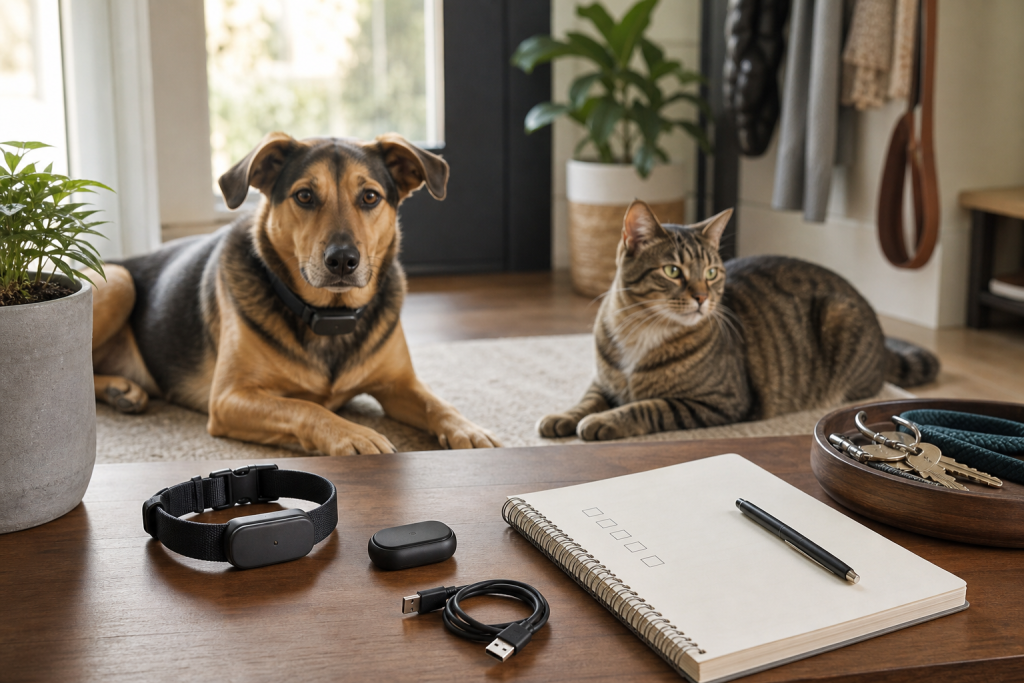
A smart dog tracker can make a scratching alert look like a shortcut to solving itchy skin, but the alert is only a buying signal, not an answer. Before you pay for a tracker deal, check whether scratch monitoring works on the exact model, whether it needs an active plan, whether the tracker fits your dog comfortably and whether you are prepared to use the data with your vet instead of treating the app like a diagnosis.
That matters more in 2026 because pet trackers are moving beyond lost-dog maps. Newer collars and clip-on trackers are being sold with health-style features, including activity, sleep, resting vital trends, barking and scratching. Those extras can be useful if they help you notice a pattern, but they can also turn a simple GPS deal into a subscription, charging and false-confidence problem.
Why scratching alerts are showing up in shopping searches
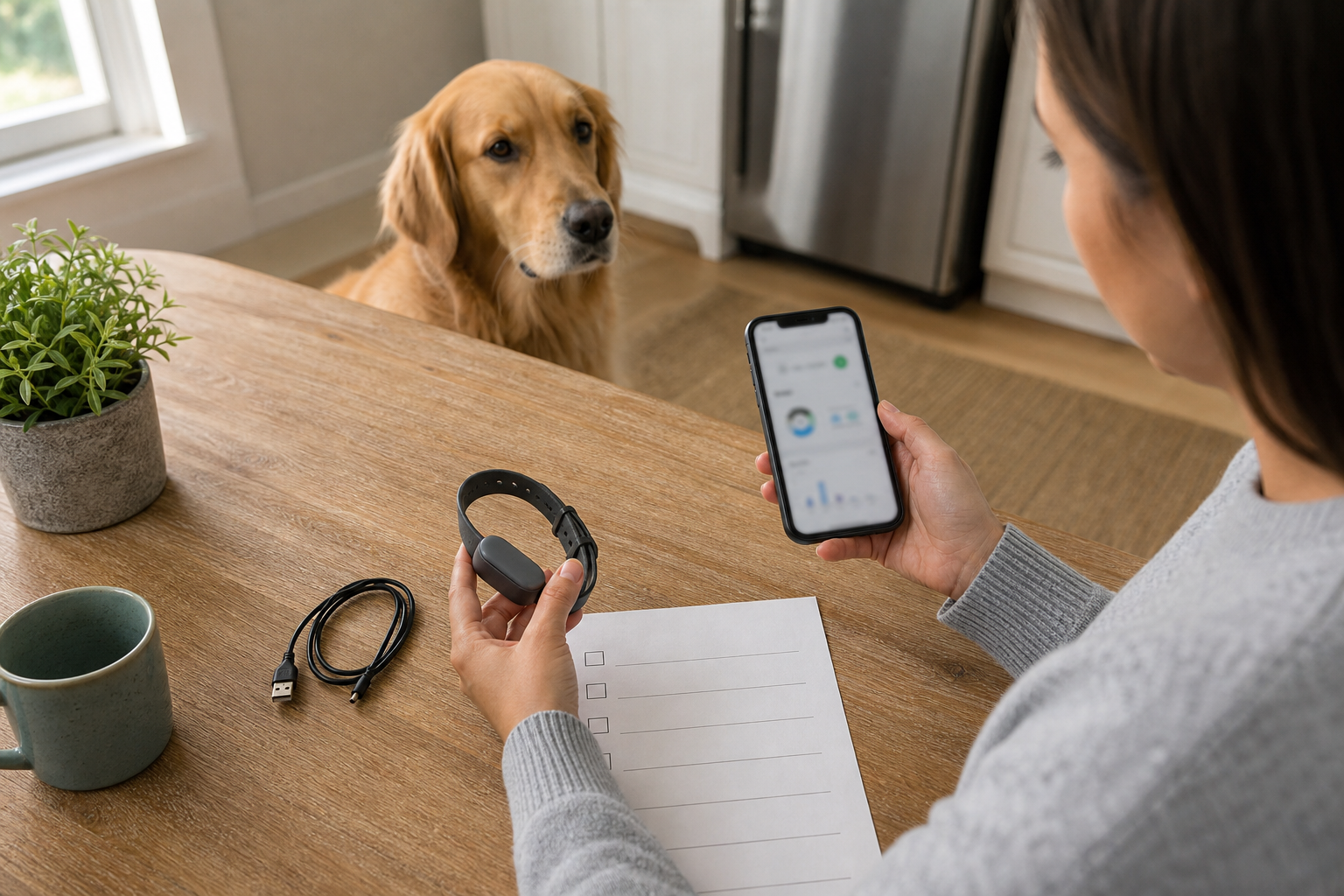
Recent pet-tech coverage has highlighted trackers that combine location features with health and behavior monitoring. Tractive’s own help center says its supported trackers can track activity, sleep, resting heart rate, resting respiratory rate and, on dog models, behaviors such as barking and scratching. It also says Tractive is not a medical device and is not intended to diagnose health conditions.
That is the useful distinction for shoppers. A tracker may show that your dog is scratching more than usual, or that the scratching rises after a park visit, food change, bath product or missed flea-prevention refill. It cannot tell you from the checkout page whether the cause is fleas, allergies, infection, irritation, a grooming issue or something else.
The checkout mistake: buying the promise, not the supported feature
Do not assume every tracker from the same brand has the same health features. Tractive’s comparison page, for example, lists scratch monitoring for dog models but not for cat models, and it notes that feature availability depends on the tracker model. That means an older device, used tracker, smaller cat tracker or bargain bundle may not deliver the feature that made you click.
Check these details before paying:
- Exact model support: look for scratch monitoring on the model page or support chart, not just in an ad headline.
- Species support: if the feature is dog-only, a cat tracker or small-pet workaround is the wrong buy.
- Minimum size and weight: a tracker that is comfortable for a large dog may be annoying or impractical for a small dog.
- Subscription requirement: confirm whether the device works only with an active plan and what features need the higher tier.
- Battery and sync behavior: health trend data is less useful if the tracker is often charging, offline or waiting to sync.
- Return window: make sure you can test fit, charging routine, app setup and alert usefulness before the return period closes.
How to use a scratch graph without overreacting
Veterinary sources are clear that itching is a sign, not a diagnosis. The MSD Veterinary Manual says common causes of itching in dogs include parasites, infections and allergies. Cornell’s canine health guidance also notes that dogs with atopy may have flea or food allergies, and that a veterinarian may recommend effective flea and tick prevention while sorting out itchy-skin signs.
Use the tracker as a diary. If the app shows more scratching, write down what changed that week: flea-prevention timing, shampoo, food or treats, bedding detergent, yard exposure, grooming, weather and where the dog is scratching. Then share that pattern with your vet, especially if there is hair loss, redness, odor, ear trouble, paw licking, broken skin, pain or a sudden behavior change.
Deal checks that matter more than the sale badge
The cheapest tracker is not always the cheapest tracker to own. Tractive’s help center states that its trackers need subscriptions, and that some features such as family sharing and worldwide coverage require Premium. Other brands may use different plan names, trial periods and renewal rules, so treat the device price and the plan price as one purchase.
Before checkout, compare the full first-year cost: hardware, activation fee if any, subscription, replacement charger, spare clip, collar adapter, shipping and return shipping. If a listing includes a free trial or included months, check the renewal date and the cancellation path before you enter payment details. A low hardware price is less helpful if the feature you wanted sits behind a plan you will not keep.
Privacy and account checks before the app goes on your phone
A tracker that collects location and health-style behavior data deserves the same privacy check as any other connected device. The FTC advises securing internet-connected devices with steps such as changing default passwords, using strong passwords, enabling updates and keeping devices on a secure network. For a pet tracker, add two more checks: who can see your dog’s location, and what happens to the account if you sell or return the device.
Look for two-factor authentication, clear account-transfer steps, an export or deletion option for your data, and a way to remove shared users such as dog walkers or sitters. If the app needs constant location permission on your phone, decide whether the benefit is worth that access.
What to avoid
- A used tracker that may still be tied to another account.
- A listing that says “health monitor” but does not name the exact supported features.
- A tracker that is too heavy for your dog or awkward on the collar your dog already tolerates.
- A plan that renews annually when you only wanted to test the feature for a month.
- Any claim that a scratch alert can replace a veterinary skin exam, flea check or allergy workup.
- A device you cannot return after trying fit, charging, app setup and alert settings at home.
Quick Answers
Is a scratch-monitoring tracker worth buying?
It can be worth it if you already want a GPS tracker and the scratching data helps you spot patterns. It is harder to justify if you only want an allergy answer, because the tracker cannot diagnose why your dog is itchy.
Does scratch monitoring work for cats?
Do not assume it does. Tractive’s current support page lists scratch monitoring under dog-model features, while cat models focus on features such as activity, sleep and certain vital trends.
Should I buy flea products because the app shows more scratching?
Use the alert as a prompt to check your dog’s skin, flea-prevention schedule and recent product changes, then ask your vet if the scratching continues or looks severe. Do not stack treatments or switch medications blindly from an app alert.
Sources
- Tractive Help Center, What health features does Tractive track?
- Tractive Help Center, Which tracker is right for my pet?
- The Verge, Tractive’s new dog and cat trackers provide more health insights for your pets
- MSD Veterinary Manual, Itching (Pruritus) in Dogs
- Cornell Richard P. Riney Canine Health Center, Atopic dermatitis (atopy)
- Federal Trade Commission, Securing Your Internet-Connected Devices at Home
Sources last checked: September 5, 2026, 13:35 CEST, Europe/Rome.