
#cat enrichment
#cat furniture
#cat scratching posts
#cat tree deals
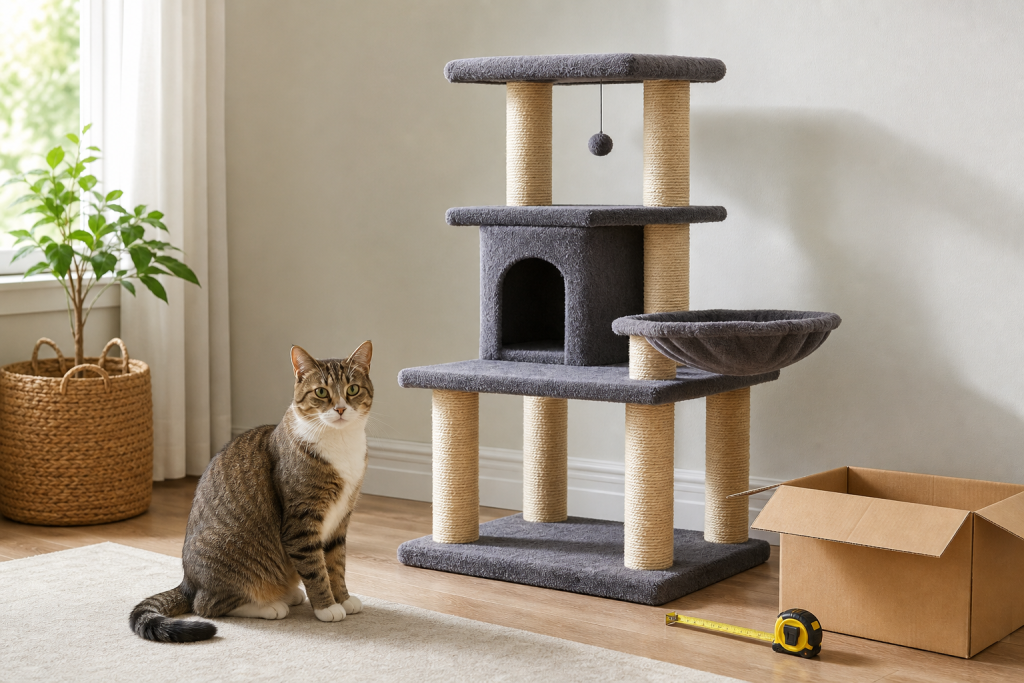
A cat tree deal is only worth buying if the tower is tall enough, sturdy enough and returnable if your cat refuses it. The risky bargain is the one with a weak base, fuzzy size claims or plush surfaces that look cozy but do not give your cat a good scratch. Before checkout, treat the discount as secondary to height, wobble, material, room fit and the retailer’s return rules.
Cat trees are back in deal roundups because Labor Day and Cat Week promotions have pushed cat furniture, scratchers, feeders and toys into shoppers’ carts. USA TODAY’s September 2026 Cat Week coverage called out cat trees and scratchers among the discounted categories, while Amazon’s own best-seller pages keep scratching posts visible as a high-demand cat-supply lane. That makes this a good moment to slow down before buying the biggest tower with the loudest sale badge.
Why the cheap cat tree can be the expensive one
The hidden cost is not only the purchase price. It is the failed assembly, the tower that rocks when your cat jumps, the perch that is too small for an adult cat, or the return that becomes awkward once the box is opened and half the hardware is loose.
Cats scratch to stretch, mark territory, remove the outer nail layer and meet a normal behavior need, according to Humane World for Animals and The Ohio State University’s Indoor Pet Initiative. Cornell’s Feline Health Center also frames toys and play spaces as enrichment, while warning owners to avoid small detachable pieces, chewable cords and risky play environments. A cat tree can help, but only when it gives your cat a stable, useful place to climb, perch and scratch.
The label checks that matter before checkout
- Overall height: A bargain tower may be too short for a full stretch. Humane World says many cats prefer a scratching post that is at least 32 inches tall and does not wobble.
- Base width and weight: Look for a base that appears wider than the tower’s top-heavy sections. If the photos show a tall tree on a tiny platform, assume it may need wall anchoring or a safer placement.
- Cat weight and perch size: Check whether the listing gives a weight range, perch dimensions and number of cats. “Large” can mean large in room footprint, not large enough for your cat.
- Scratching surface: Sisal rope, sisal fabric, cardboard and wood can work for different cats. Plush-only posts often look comfortable, but they may not give enough grip for scratching.
- Replacement parts: A replaceable post, cover or pad can extend the life of the tree. If every worn part means replacing the whole tower, the deal may be weaker than it looks.
- Assembly and anchoring: Check whether tools, wall straps or anti-tip hardware are included. Keep the instructions and spare hardware until you know the tree works in your space.
Measure the room before the sale badge wins
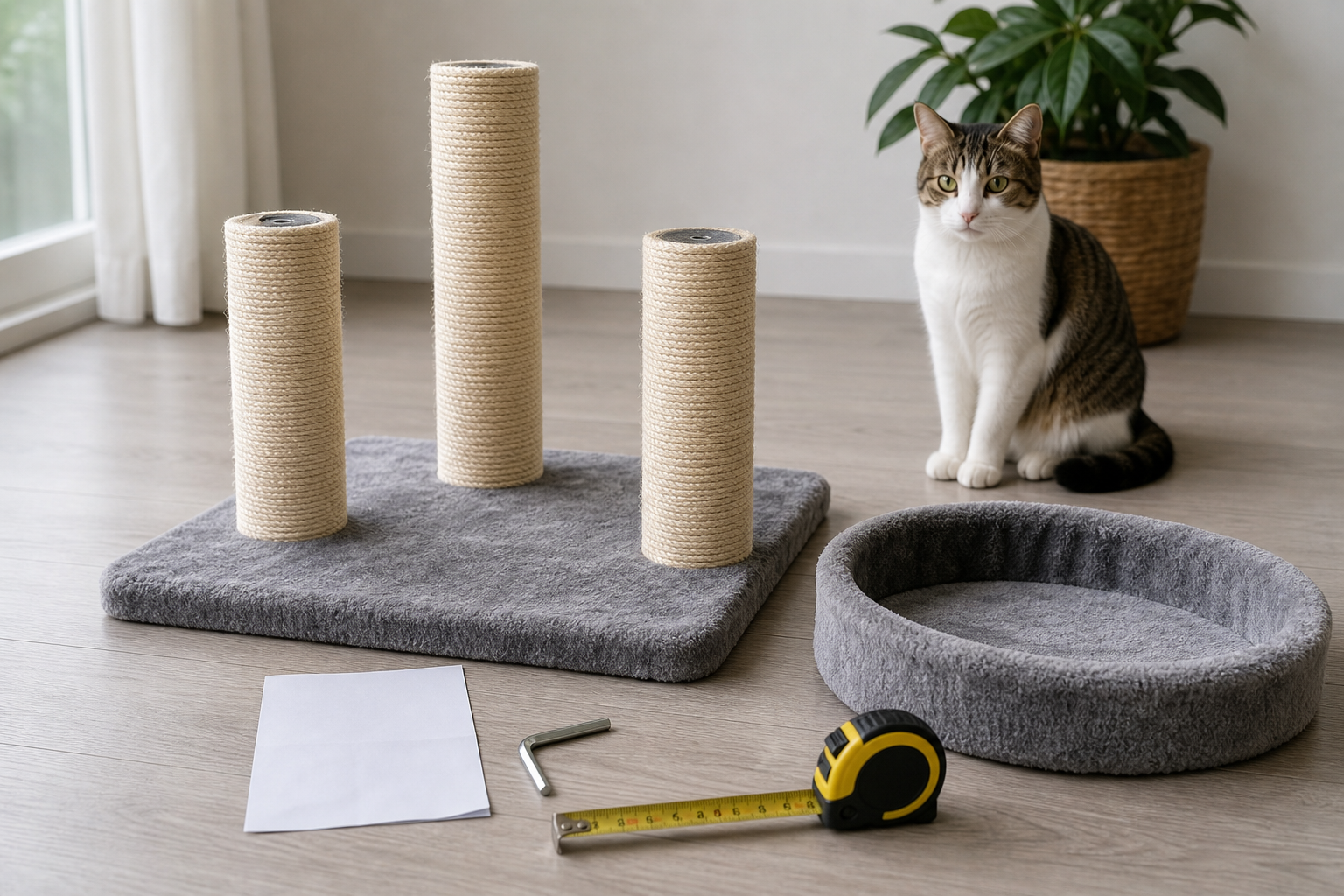
A cat tree needs floor space, jump space and a stable wall or corner. Measure the footprint, not just the height. Then check whether drawers, doors, radiators, curtains, blinds, cords or shelves would create a problem once the tree is assembled.
Placement matters because cats often use scratching surfaces where they already want to scratch. Humane World recommends putting the post where the cat is motivated to use it, such as near a couch if the couch is the current target. A beautiful tower in the wrong room can become expensive furniture your cat ignores.
Deal and coupon checks
Do not judge a cat tree deal by the crossed-out price alone. Compare the final cart price after shipping, oversized-item fees, pickup discounts, coupon exclusions and return shipping. A bulky cat tree that costs less upfront can lose the savings if it is expensive to send back.
PetSmart says online purchases can be returned in store for the purchase price minus certain charges, but the product must be in its original packaging. Petco says petco.com orders returned to a store within 30 days of shipment can receive a full refund, while 31-60 day returns receive merchandise credit, with restrictions and proof-of-purchase rules. Always check the current retailer policy in the cart before buying, especially for assembled, heavy or marketplace-seller furniture.
What to avoid
- A tower with no clear dimensions, weight guidance or assembled photos.
- A very tall model with no anti-tip strap, wall-anchor guidance or stable corner placement plan.
- Dangling toys, strings or small parts that look easy to chew off and swallow.
- Electrical cords near the climbing area. Cornell specifically warns against anything with a cord your cat can chew.
- Plush-only posts if your cat already prefers sisal, cardboard or another rough surface.
- A return policy that requires original packaging after you have destroyed the box during assembly.
Quick answers
Is a bigger cat tree always better?
No. Bigger only helps if the base is stable, the perches fit your cat and the tower works in the room. A smaller sturdy scratcher can beat a tall wobbling tower.
Should I buy a cat tree during a sale?
Yes, if the sale is on a model you would still choose at full price. Verify dimensions, scratching material, hardware, shipping, returns and whether the coupon actually applies before paying.
What if my cat ignores the new tree?
Move it closer to the place your cat already scratches or rests, and use play to introduce it. Do not force your cat’s paws onto the post, since Humane World warns that can create stress and avoidance.
Sources
- USA TODAY, “A cat owner’s guide to the best Amazon Labor Day deals for pets,” updated September 5, 2026.
- Amazon Best Sellers, Cat Scratching Posts, live category page.
- Cornell Feline Health Center, “Safe toys and gifts”.
- Humane World for Animals, “Stop cats from scratching furniture with a scratching post”.
- The Ohio State University Indoor Pet Initiative, “Scratching”.
- PetSmart, Return Policy.
- Petco, Easy Returns.
Sources last checked: September 5, 2026, 19:34 CEST, Europe/Rome.