
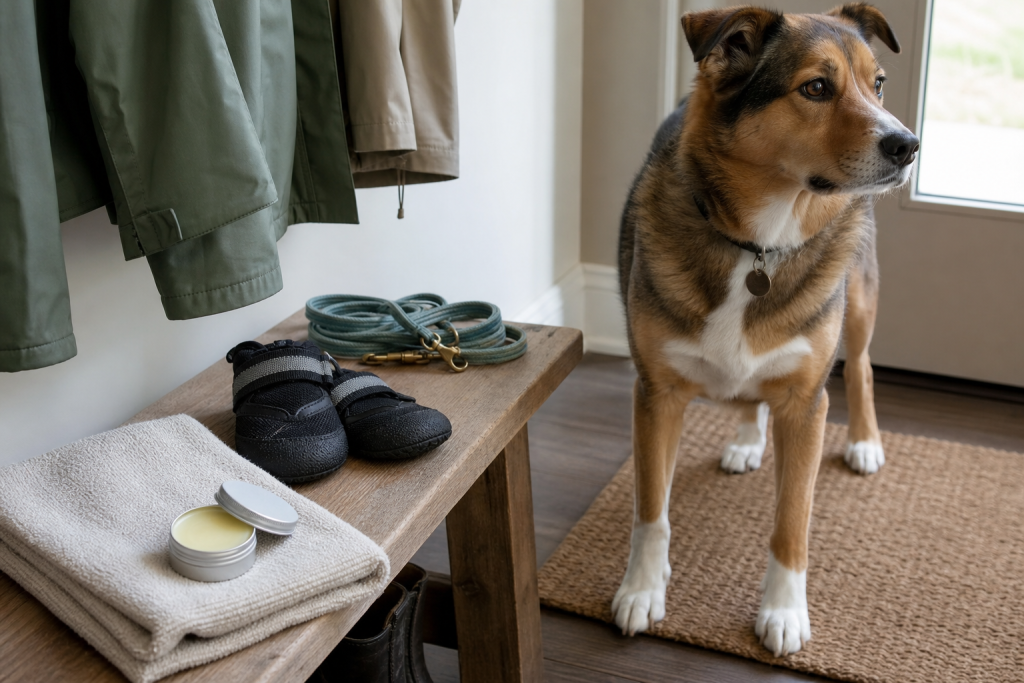
#dog boots
#dog paw balm
#paw wax
#winter dog care
A dog paw balm deal is worth buying only if the balm fits the surface your dog actually walks on. Balm can help create a temporary barrier on dry, salted, icy or abrasive ground, but it is not a substitute for boots, paw washing or a vet visit when paws are already painful. Before you add a cheap tin to your cart, check the ingredients, size, texture, return terms and whether your dog will tolerate having it applied.
Why paw balm is showing up in carts now
Early September is when many dog owners start restocking walking gear before colder, wetter weather changes the daily route. Paw-care products also stay visible year-round because the same category is marketed for hot pavement, rough trails, sand, dry indoor air and winter salt.
That broad promise is exactly where shoppers can overbuy. A balm that helps on a short sidewalk walk may not be enough for long exposure to ice melt, sharp frozen snow or a dog that licks every product off within minutes. Amazon’s Dog Paw Protectors best-seller page and Chewy’s paw-care category both show continuing demand, but a high-ranking listing or sale badge does not tell you whether the formula, packaging or routine fits your dog.
What paw balm can and cannot do
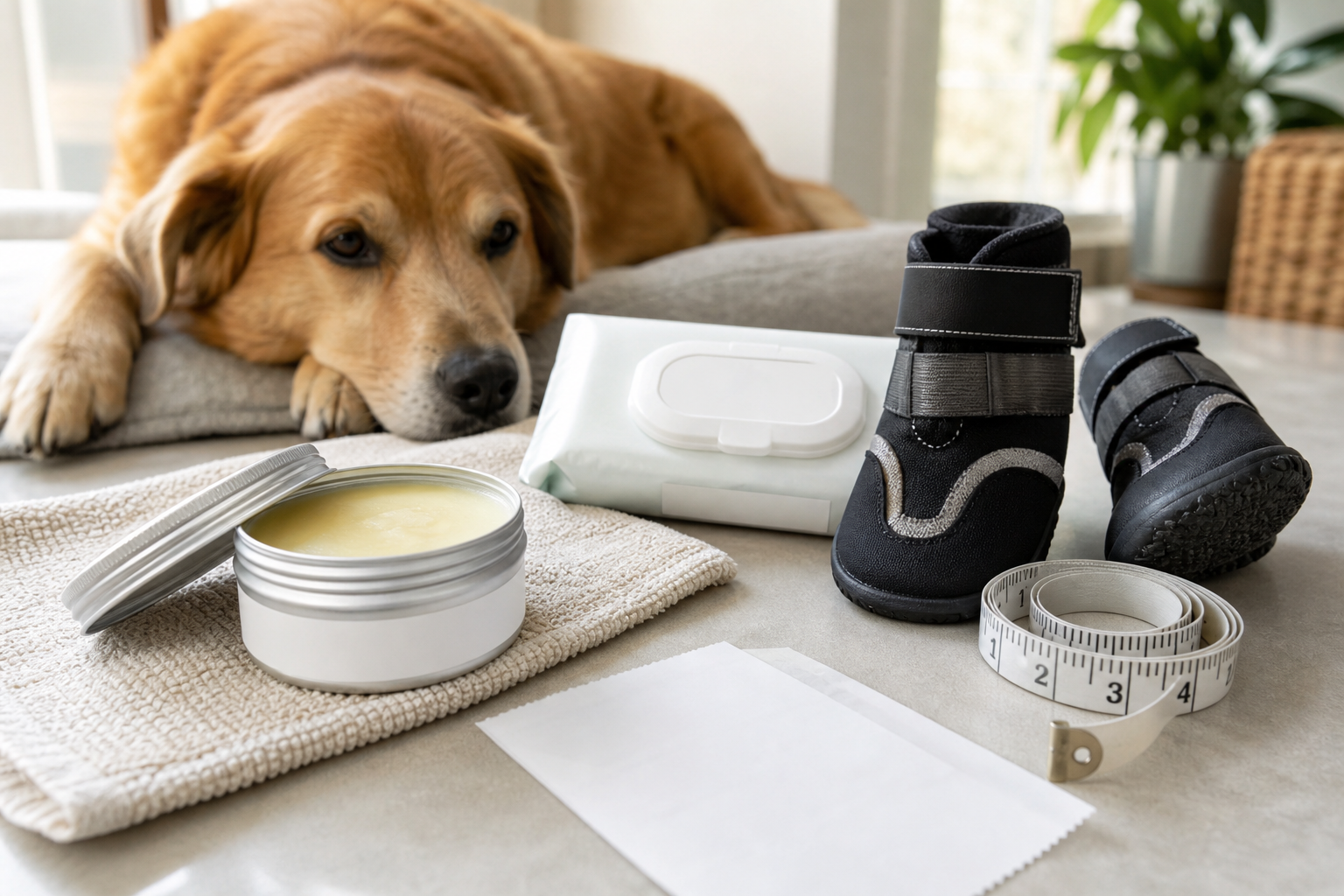
Reliable winter-safety guidance treats paw balm as one part of paw protection, not as magic armor. Animal Humane Society says balm or petroleum jelly-based products can be applied before walks to help create a barrier against snow, ice and salt. ASPCA winter guidance also recommends washing and drying paws after walks to remove ice, salt and chemicals, then checking for cracks or redness.
The practical takeaway is simple: balm helps most when it is used before exposure and cleaned up after the walk. It does not remove grit by itself. It does not make a slippery sidewalk safe. It does not turn a long winter outing into a good idea for every dog.
If your dog already has bleeding, swelling, limping, repeated licking or a sudden change in gait, shop less and call your veterinarian. A balm may hide a problem long enough for you to miss the reason your dog is uncomfortable.
The checkout checks that matter
Start with the use case. If the listing talks mainly about “moisturizing,” it may be better for dry pads than for slushy sidewalks. If it talks about barrier protection, check whether it is meant for snow, salt, sand, rough trails or general conditioning.
Then check the format. A twist-up stick can be cleaner for travel and quick pre-walk use. A tin may be cheaper per ounce, but you may need clean hands or a separate applicator. A large tub looks economical, but it is a waste if your dog hates the feel or if the product sits open through several seasons.
Look for clear ingredient disclosure. You do not need a luxury formula, but you do need to know what your dog may lick. Be cautious with heavy fragrance, essential-oil marketing, vague “natural” claims and products that sound like human skincare with a paw label added later.
Check residue before you buy multiples. Some waxy balms can mark floors, rugs or car seats if applied heavily. If reviews repeatedly mention greasy prints, plan to apply outdoors, wipe excess after the walk or choose boots for messy conditions.
Balm, boots or wipes?
Balm is usually the easiest product to introduce because it does not change how the foot hits the ground as much as a boot can. That makes it appealing for dogs that refuse footwear. VCA’s cold-weather guidance still notes that booties can protect paws from salt, ice balls and cold temperatures, while balm can be the fallback when a dog will not tolerate boots.
Boots are the stronger purchase when the main problem is repeated contact with salt, chemical deicers, sharp ice or very cold surfaces. The tradeoff is fit. A boot that twists, rubs or flies off becomes another problem, so measure the paw and read the closure details before assuming a four-pack solves winter walks.
Wipes and towels matter after the walk. AVMA cold-weather guidance tells owners to check paws often for cold-weather injury or damage, including cracked or bleeding pads. ASPCA also emphasizes washing and drying feet and stomach after walks. That means a balm deal is incomplete if your cart has no way to clean residue, salt and grit afterward.
Deal and coupon traps to avoid
Do not compare paw balm by jar price alone. Compare ounces, expected use, packaging and whether you need a second product such as wipes or boots. A smaller stick may cost more per ounce but waste less if you only need it for quick walks.
Be careful with multipacks before your dog has tried the texture. Paw balm is a tolerance product. If your dog pulls away, licks obsessively or slips on a freshly waxed floor, the cheapest bundle can become the most expensive option.
Check autoship settings before paying. Paw balm is not like food or litter for most households. You may not need a recurring delivery unless you have multiple dogs, frequent trail use or harsh winter conditions.
Read return terms on opened grooming and care products. Retailers may treat used topical products differently from unopened supplies, and marketplace sellers can have separate rules. Before relying on a coupon, confirm the final cart price, shipping threshold, return window and whether the seller is the brand, the retailer or a third-party marketplace account.
What to avoid
Avoid any product that promises to heal serious cracks, stop pain or replace veterinary care. Balm can moisturize and help create a barrier, but it should not be marketed to you as treatment for an injury.
Skip strong scent if your dog is sensitive or if the ingredient list does not explain the fragrance source clearly. Dogs experience the world through smell, and a heavily scented balm may make licking or avoidance more likely.
Do not apply a thick layer right before your dog runs across smooth floors. Use a small amount, let it absorb where possible and wipe excess. If the walk involves heavy salt, ice balls or chemical deicer, boots plus a post-walk rinse may be the better setup.
Quick answers
Is dog paw balm worth it?
It can be worth it for dry pads, light barrier protection and dogs that will not wear boots. It is less useful if the real issue is sharp ice, heavy road salt, poor nail maintenance, matted fur between pads or an existing paw injury.
Should I buy paw balm or dog boots?
Buy balm for short, manageable walks and minor dryness. Consider boots when your dog regularly walks on salt, ice, rough trails or very cold ground. Some owners use both, but only if the dog tolerates the routine.
Can I use a discounted balm all year?
Maybe. Many balms are marketed for multiple seasons, but the same product may not perform equally on hot pavement, sand, snow and salt. Check the label, texture and your dog’s response before stocking up.
Sources
Sources last checked September 6, 2026, 01:31 CEST, Europe/Rome.