
#cordless pet tools
#handheld vacuum
#pet hair cleanup
A handheld pet-hair vacuum deal is worth considering only if it solves the small mess you actually have: fur on upholstery, litter scatter, kibble crumbs, car seats or stair edges. The low sale price can stop being a deal if the battery is weak, the bin is tiny, the filter is hard to replace or the tool cannot pull hair from fabric. Before you buy, check the runtime, attachments, filter cost and return rules with the same care you would give the price tag.
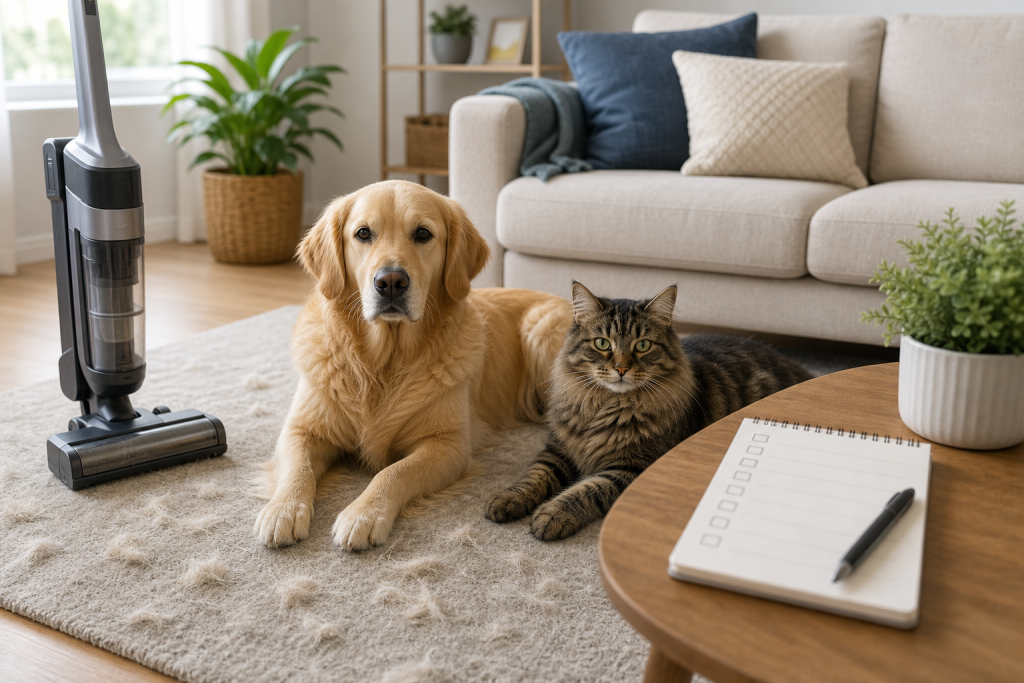
Handheld and cordless vacuum deals are showing up again in early fall sale coverage, and pet owners have a real reason to notice. Dogs and cats shed into couch seams, carrier mats, bedding and car upholstery long before a full vacuum feels worth dragging out. The catch is that pet hair is not just light dust. It wraps around brush bars, clogs small filters and exposes weak batteries fast.
Why This Deal Is Showing Up Now
Recent shopping coverage has highlighted discounted handheld and cordless vacuums for homes with pets, kids and quick cleanup needs. That does not mean every markdown is good for pet hair. It means shoppers are being shown a familiar promise: a small rechargeable vacuum that can stay near the sofa, mudroom or car instead of replacing a full cleaning routine.
At the same time, pet owners are watching household budgets more closely. Chewy’s latest quarterly coverage pointed to shoppers prioritizing essentials such as food and medications over discretionary pet extras. A cleaning gadget can still be practical, but it has to earn its place by replacing repeat lint rollers, reducing wash cycles or handling messes that otherwise get ignored.
The Spec That Matters More Than the Discount
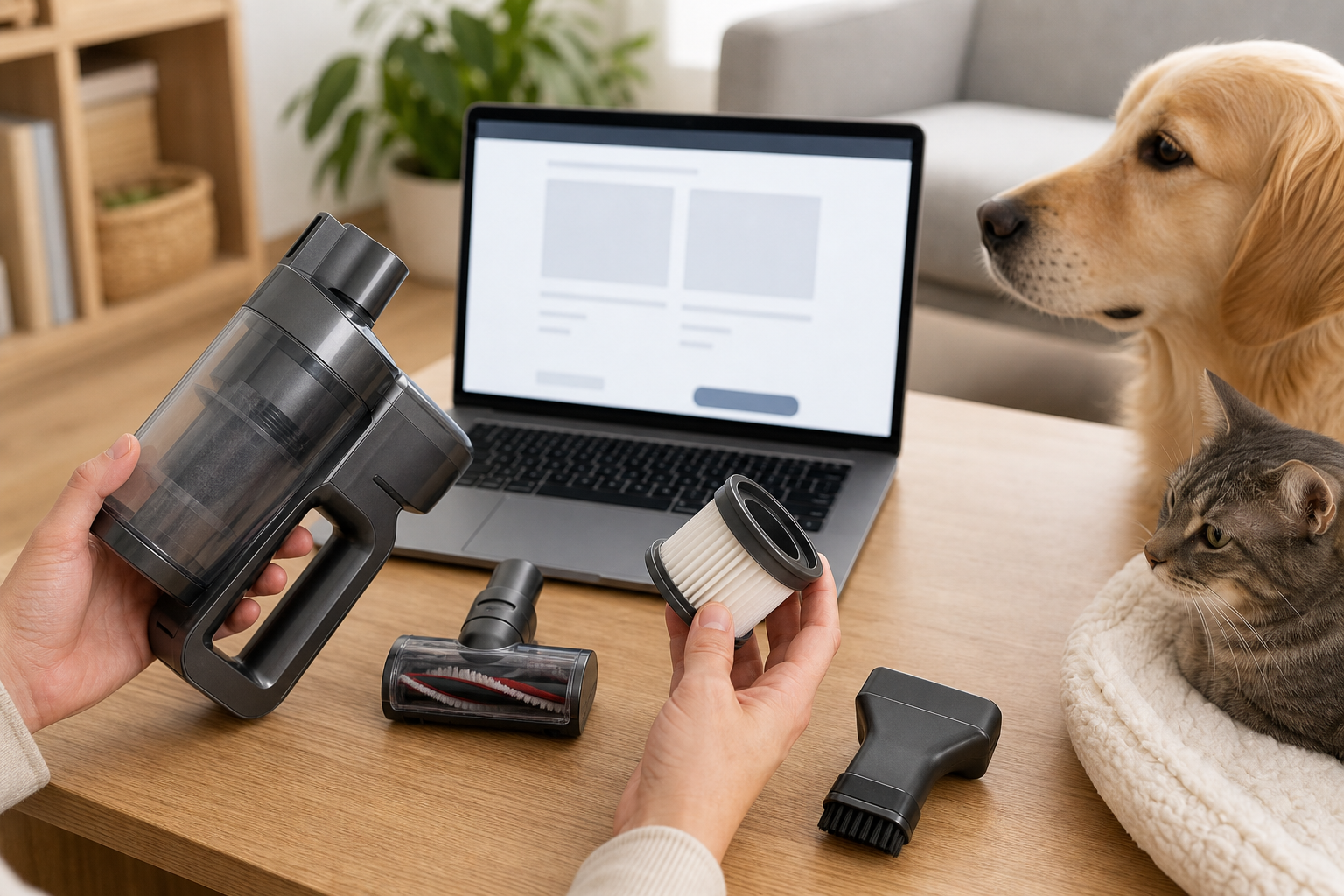
The most important question is not whether the handheld vacuum is marketed as powerful. It is whether the whole package matches pet messes. A small motor with a narrow crevice tool may be fine for kibble crumbs but frustrating on embedded dog hair. A unit with a motorized pet brush may work better on upholstery, but it also adds a moving part that needs cleaning.
Check these details before the deal wins:
- Runtime on high power: Pet hair often needs the stronger mode, not the longest advertised eco setting.
- Charging time: A short cleanup tool is less useful if it takes hours to recover after one car-seat pass.
- Bin size: Fine fur can fill a compact dust cup faster than crumbs.
- Filter type and replacement cost: A washable filter helps only if the brand also sells replacements.
- Nozzle width: A tiny mouth works in seat cracks but can make a sofa cushion take too long.
- Brush design: Rubberized or anti-tangle tools may be easier to clear than bristles that hold hair.
- Weight and grip: A handheld tool should be comfortable one-handed, especially on stairs or in a car.
If a listing hides the filter model, replacement pack or battery details, treat that as part of the price. A cheap vacuum with no parts path can become disposable after the first clogged filter or tired battery.
Where a Handheld Vacuum Makes Sense
A handheld pet-hair vacuum is best as a spot-cleaning tool, not as your only vacuum. It can be useful beside a litter box, near a crate, in the car after a park trip, on a favorite chair, or around a food station where kibble and crumbs collect. It is less convincing as a deep-carpet solution, especially for homes with multiple heavy-shedding pets.
For cats, the biggest wins are usually litter scatter, window perch fur, carrier pads and small bedding areas. For dogs, the better use cases are couch cushions, cargo mats, steps, dog beds and seat creases. If your main problem is whole-room dander, dust and fine particles, the U.S. Environmental Protection Agency’s air-cleaner guidance is a reminder that filtration and room-size performance matter. A handheld vacuum alone will not act like a room air cleaner.
The Checkout Math Pet Owners Skip
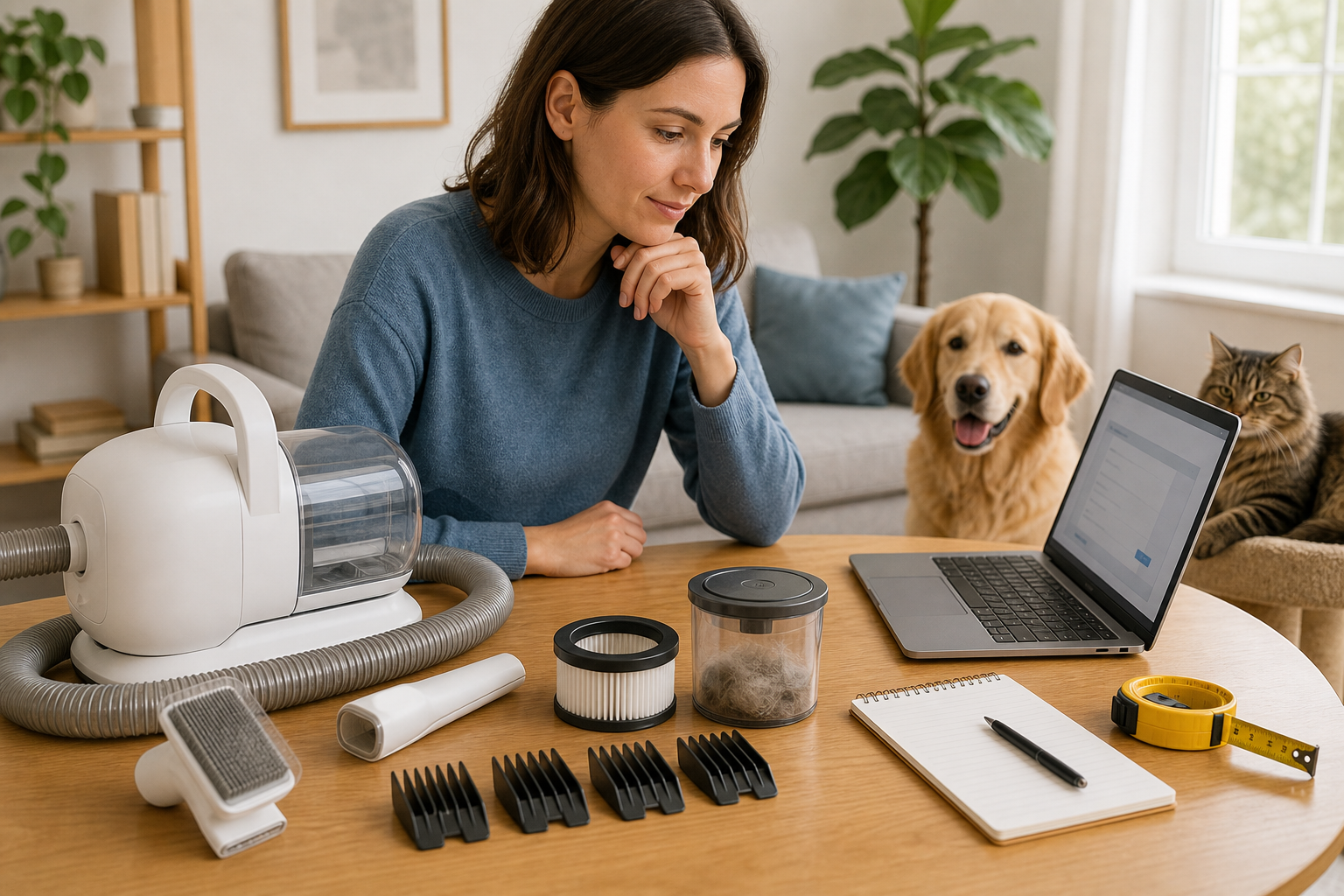
Compare the sale price with the first year of ownership, not just the checkout total. Add replacement filters, extra brush heads, a second charger if needed, shipping fees and the cost of returning it if the retailer charges return shipping. If the vacuum uses a proprietary filter pack, search for the exact model number before buying.
Also check whether the discount is tied to a marketplace seller, coupon checkbox or short return window. Pet hair tools are often hard to judge from a spec sheet because fabric type, fur length and static all change performance. A return policy is part of the deal, especially when the product makes big claims about suction or pet hair removal.
Do not count on a huge advertised percentage by itself. A high anchor price can make a normal mid-range tool look dramatic. Search the product name, check recent price history where available and compare similar models by filter cost and warranty length.
Safety Checks Before You Charge It
Most handheld vacuums are rechargeable, so battery safety belongs in the buying decision. The U.S. Consumer Product Safety Commission has repeatedly warned that lithium-ion batteries can create fire and burn hazards when products overheat, are damaged or use unsafe charging systems. That does not mean a cordless vacuum is unsafe by default. It means you should buy from a traceable seller, use the supplied or approved charger, and stop using the product if it swells, smells hot, sparks or charges abnormally.
Keep the vacuum and charger away from pet beds, litter, blankets and places where a dog or cat can chew the cord. Empty the bin before fur packs tight around the filter. If the vacuum picked up food, litter or damp debris, clean it according to the manual so it does not become the dirty item you keep next to the pet area.
The CDC’s pet-supply cleaning guidance also applies to the area around the mess. Vacuuming hair is not the same as disinfecting bowls, litter tools or hard surfaces. If you use sprays or disinfectants after cleaning, follow the label and keep pets away until surfaces are safe and dry.
What to Avoid
Avoid handheld vacuum deals that do not show the filter model, warranty length, seller name or return terms. Be careful with listings that use pet-hair language but include only a crevice tool and no upholstery or brush attachment. Skip products that show dramatic cleanup claims without explaining the surface, runtime mode or maintenance steps.
Also avoid treating a compact vacuum as a substitute for grooming, bedding washes or regular litter-box cleaning. If your pet’s shedding, skin, scratching or odor changes suddenly, shopping for stronger cleaning gear is not the right first step. Ask your veterinarian what changed before buying around the problem.
Quick Answers
Is a handheld vacuum enough for pet hair?
It can be enough for spot cleanup on furniture, stairs, crates, cars and small bedding areas. It is usually not enough as the only vacuum in a home with heavy shedding or wall-to-wall carpet.
Should I buy the cheapest pet-hair vacuum on sale?
Only if the filter, attachments, runtime, warranty and return policy still make sense. A cheap tool with unavailable filters is not a good repeat-use deal.
Is a HEPA label always better?
A better filter can help trap fine particles, but the whole vacuum design matters. Look at sealed construction, filter replacement availability and how often the filter needs cleaning.
What is the best attachment for pet hair?
For upholstery, a motorized or rubberized pet-hair tool is usually more useful than a narrow crevice nozzle. For cars and couch seams, a crevice tool still matters.
Sources
Sources last checked: September 12, 2026, 10:34 CEST, Europe/Rome.
- People, handheld cordless vacuum deal coverage.
- People, cordless vacuum deal coverage mentioning pet-hair cleanup.
- Chewy, Q2 2026 financial results.
- Benzinga, Chewy discretionary pet-spending coverage.
- U.S. Consumer Product Safety Commission recalls and lithium-ion battery safety context.
- U.S. Environmental Protection Agency, Guide to Air Cleaners in the Home.
- CDC, Cleaning and Disinfecting Pet Supplies.