
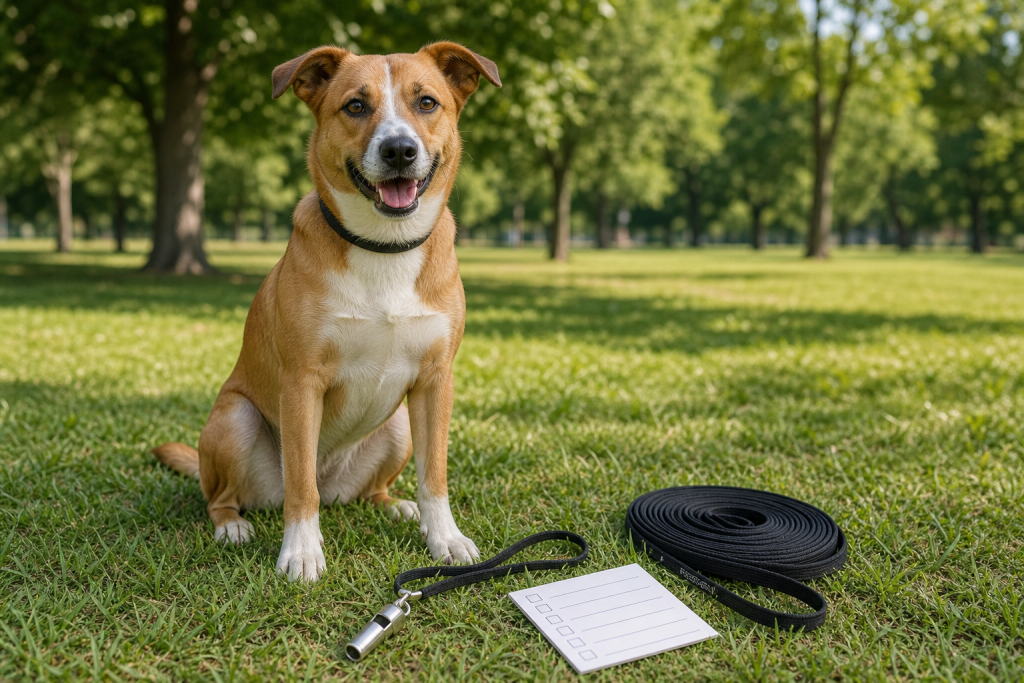
#dog training supplies
#dog whistle
#recall training
A dog whistle deal is only useful if it helps you give the same cue every time, then you pair that cue with training your dog already understands. The mistake is buying a cheap “silent” whistle as if the sound itself will create recall or stop barking. Before checkout, check whether the whistle is consistent, easy to carry safely, returnable, and realistic for your dog’s training level.
Dog whistles are showing up in current pet-supply searches because owners want lighter training tools for fall walks, parks, travel, and off-leash practice. Retailers list both basic pea whistles and adjustable high-pitch models, while the American Kennel Club describes whistles as a training tool that can be used for recall and other behaviors when the dog has been taught what the cue means. That last part is the whole purchase decision: the whistle is a signal, not a shortcut.
Why The Deal Looks Better Than It Is
The cheapest dog whistles often promise a lot in a tiny listing: silent control, anti-bark results, long-distance recall, adjustable frequency, and instant obedience. Those claims can be misleading if the listing does not explain how the sound is produced, whether the pitch adjustment stays fixed, or what kind of training plan the whistle is meant to support.
A whistle can be clearer than your voice because it sounds the same when you are tired, windy, embarrassed, or far from your dog. It can also be useless if one person in the house blows three short blasts and another uses one long blast for the same behavior. The deal is not the lowest price. The deal is a simple tool your household can use consistently.
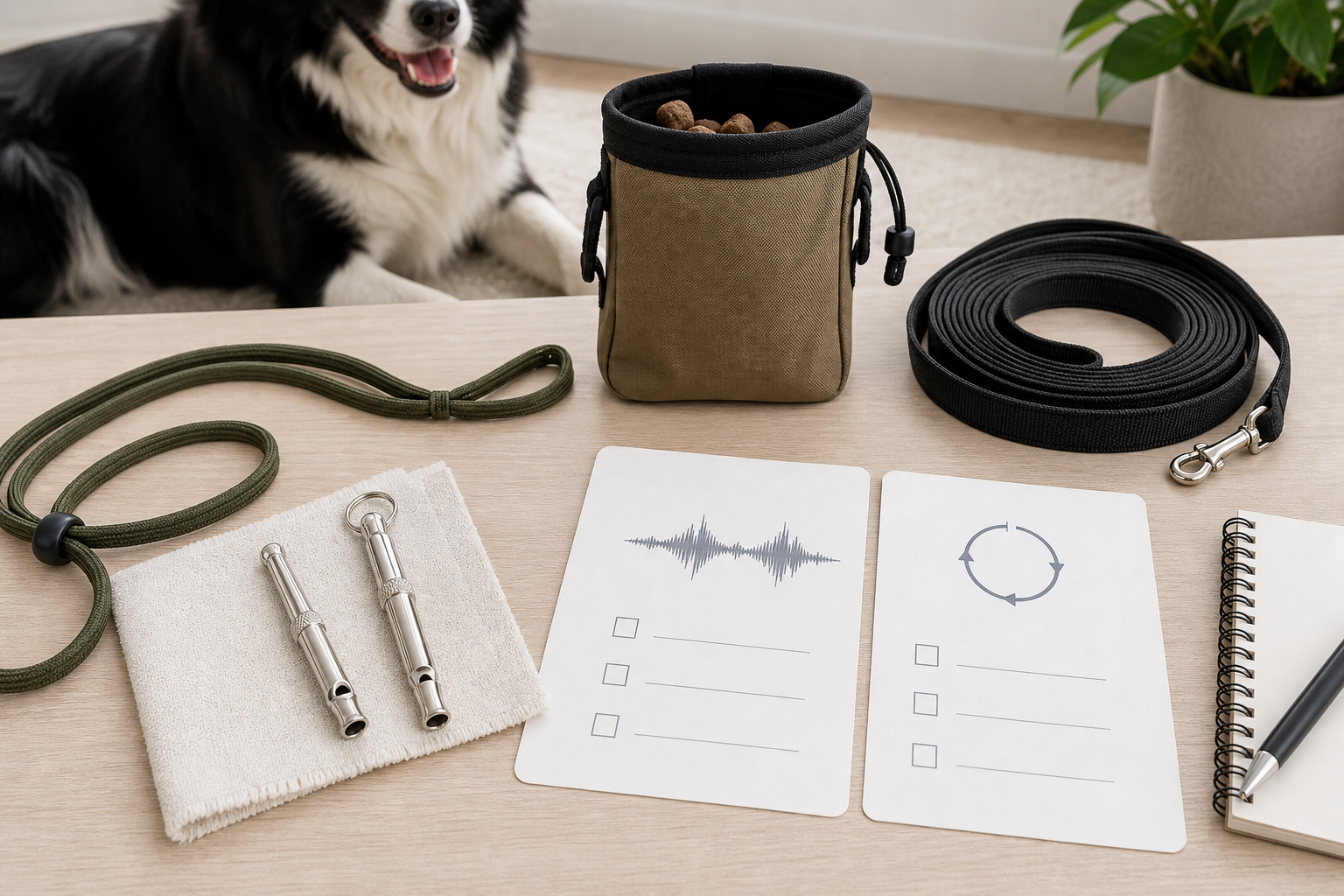
What To Check Before Buying
- Fixed or adjustable sound: Adjustable models can be useful, but only if the setting does not drift in a pocket or treat pouch. If the pitch changes every walk, the cue becomes muddy.
- Audible versus ultrasonic: “Silent” usually means less obvious to people, not magic. Some dogs may notice the sound clearly, while owners still need to verify that the dog responds calmly and reliably.
- Lanyard and clip safety: A thin cord can snag during play or get lost in a coat. Look for a practical carry setup, but do not leave a loose lanyard where a dog can chew it.
- Cleanable material: A whistle carried with treats, mud, and pocket lint should be easy to wipe and dry. Avoid mystery materials or parts that trap grime.
- Training instructions: A listing that sells the whistle as an anti-bark device without explaining reward-based conditioning deserves extra skepticism.
- Return terms: You may not know whether the sound, size, or adjuster works for your routine until you try it indoors and on leashed walks.
The Training Cost Hidden In A Cheap Whistle
The hidden cost is not usually the whistle. It is the time and treats needed to make the cue mean something. If you buy the whistle because your dog already ignores recall, the first shopping step may be better treats, a long line, or a reward-based class rather than a louder signal.
The American Veterinary Society of Animal Behavior recommends reward-based methods for dog training. That matters at checkout because some whistle listings blur the line between a cue and an aversive “stop barking” promise. A whistle should not be used to scare, punish, or blast a dog at close range. If barking, running off, or reactivity is serious, ask a qualified professional or your veterinarian for guidance.
Deal And Coupon Checks
If a dog whistle is part of a bundle, compare the bundle with the exact items you will use. A whistle, clicker, treat pouch, and long line can be a sensible starter set, but only if the long line is the right length, the treat pouch closes securely, and the whistle is not a throwaway filler item.
Do not trust a coupon badge by itself. Check the final cart price, shipping threshold, marketplace seller, return window, and whether the same whistle is being sold under several names with identical photos. For a very cheap marketplace listing, the risk is not just failure. It is buying a tool that sounds different from the replacement you order a month later.
What To Avoid
- Listings that promise to stop barking instantly.
- Whistles marketed as “silent” without clear product details.
- Adjusters that look easy to move accidentally.
- Sharp metal edges, tiny removable pieces, or weak clips.
- Using a whistle near your dog’s ear or as a punishment noise.
- Practicing off leash before your dog is reliable on a long line in a safe area.
Who Should Skip It For Now
Skip the whistle if you mainly want a quick fix for nuisance barking, fear, chasing, or escape behavior. Those are training and management problems, not shopping problems. A whistle can become part of a plan, but the plan has to teach the dog what the sound predicts and what behavior earns the reward.
Also skip it if your household will not use one clear cue pattern. Mixed signals are easy to create. If the whistle is for recall, decide the sound pattern, practice indoors, reward heavily, then move to fenced or leashed settings before relying on it outside.
Quick Answers
Is a dog whistle better than a clicker?
Not automatically. A clicker is usually a marker for the exact behavior you like, while a whistle can be a cue such as recall. Some owners use both, but each sound needs one clear job.
Can a whistle replace recall training?
No. It can make the cue clearer, but your dog still has to learn that coming back after the whistle is worth doing.
Should I buy the cheapest multipack?
Only if the whistles are consistent and returnable. A multipack is not a bargain if every whistle sounds or adjusts differently.
Sources
Sources last checked: September 12, 2026, 19:34 CEST, Europe/Rome.