
#cat food budget
#cat starter cart
#cat supplies
The mistake is treating a first cat-supply cart like a one-time haul instead of the start of a monthly budget. Cat ownership is growing, and new owners are being marketed everything from premium food to furniture-style litter setups, but the smartest cart covers daily essentials first, then tests upgrades slowly. Buy for the cat you actually have, not the social-media version of cat ownership.
That matters now because the American Pet Products Association says cat ownership reached 53 million U.S. households in 2025, and products remain the top expense for cat owners. More new cat households mean more first carts, more trial purchases and more chances to spend too much before you know what your cat will eat, scratch, sleep on or accept as a litter setup.
Why the cat boom changes the shopping math
APPA’s 2026 industry report says U.S. pet spending reached $158 billion in 2025 and is projected to grow again in 2026. It also says value-seeking is rising, with more owners spending less while still protecting essential care. For cat owners, that creates a familiar tension: you want the litter box, food, carrier, bowls, scratcher, bed and toys ready, but you don’t yet know which versions will actually work in your home.
The expensive error is buying every category in its largest size. A big litter bag, jumbo food case, tall cat tree and multi-pack of toys can look efficient at checkout. If the cat rejects the litter texture, vomits after a fast food switch, ignores the scratcher or hides from the carrier, the deal turns into clutter.
The starter cart that should come before the upgrades
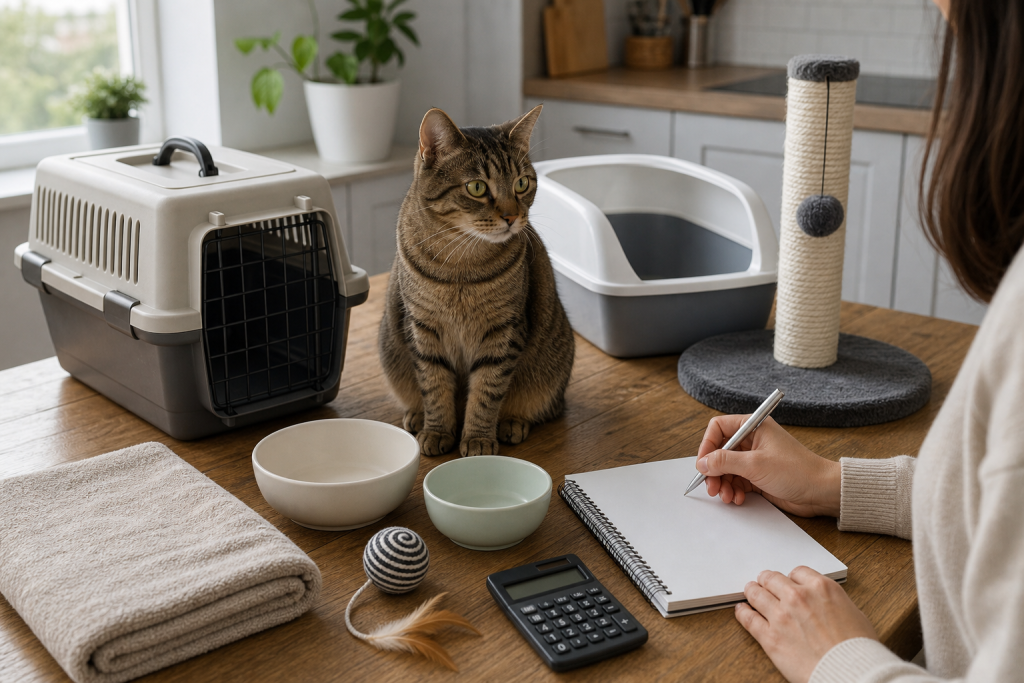
Start with a practical base cart. It should include a sturdy carrier, at least one open litter box, litter in a manageable trial size, food and water bowls, the same food the cat is already eating if you know it, a simple vertical or angled scratcher, a few low-risk toys and cleaning supplies for accidents. Add a comfortable hiding place before you add furniture-style accessories.
The Ohio State University Indoor Pet Initiative lists basic indoor cat needs such as litter boxes, scratching outlets, resting areas, perches, toys and safe refuge. Those categories are more important than matching colors or buying the most expensive version first. A cat that has predictable places to eat, eliminate, scratch, rest and hide is easier to shop for later because you can see what it uses.
Where deals can quietly get expensive
Food is the first place to slow down. A case discount is useful only if the cat already accepts that recipe and texture. If you are changing diets, buy a smaller amount first and ask your veterinarian about the right transition if the cat has a medical condition, is underweight, overweight, senior or eating poorly.
Litter is the next trap. Large bags lower the price per pound, but acceptance matters more than the unit price. Texture, scent, dust, box height and cleaning frequency can all change whether a cat uses the box. In a multi-cat home, budget for enough boxes and enough floor space before spending on a covered or furniture-style setup.
Furniture and scratchers should be tested in stages. A cheap scratcher that the cat uses is a better buy than a tall tower the cat avoids. Check base stability, usable platform size, return terms and whether replacement posts or pads are available. If you rent, also consider whether wall-mounted shelves or heavy cat trees fit your lease and room layout.
Checkout checks before you pay
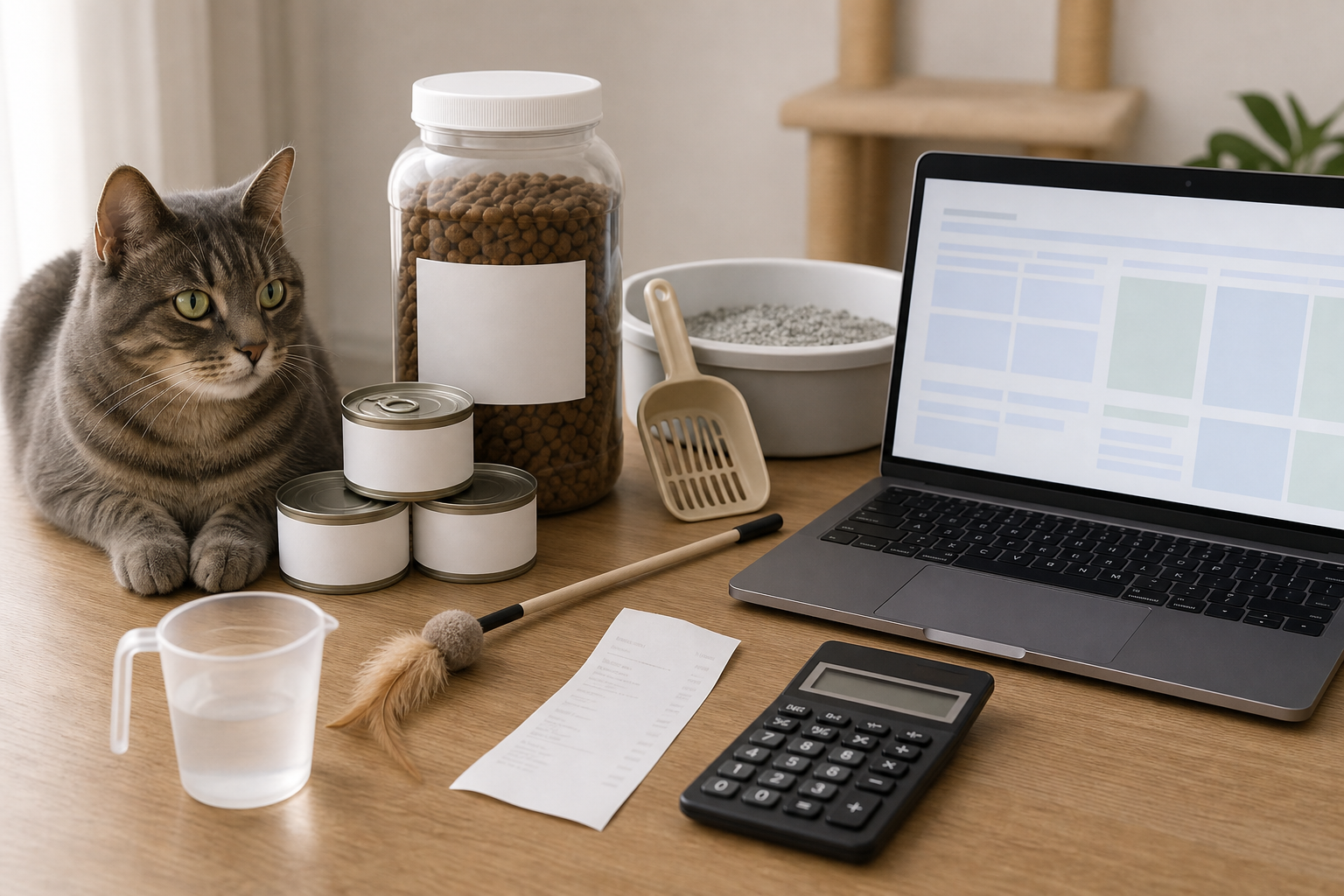
Before completing a starter-cart order, separate durable products from consumables. Durable items include the carrier, bowls, scoop and scratcher. Consumables include food, litter, wipes, liners, treats and toy refills. The first group should be judged by fit, cleaning and return terms. The second group should be judged by monthly cost and whether you can easily reorder the exact item.
Check subscription settings carefully. Autoship can be helpful for litter and food once the cat has accepted them, but it is risky on day one. Set reminders before the second shipment, confirm how to pause or cancel, and make sure the first-order discount is not hiding a higher regular price. If the retailer offers free shipping above a threshold, compare that with buying a larger quantity you may not use.
For coupons, verify the actual cart total after exclusions. Some offers exclude prescription food, pharmacy items, marketplace sellers, certain brands, sale items, heavy items or same-day delivery. Do not count a discount until it appears in the final order review with shipping, taxes and any delivery fees included.
What to avoid in a first cat cart
Avoid buying several new foods at once unless your vet or shelter specifically recommends a plan. Too many simultaneous changes make it harder to spot what caused stomach upset or refusal. Avoid scented litter as the default if you do not know the cat’s preference, and avoid covered boxes as the only option because some cats dislike trapped odor or limited escape routes.
Avoid collars, harnesses and carriers bought only by weight. Measure the cat when possible, and prioritize a carrier that opens securely and allows easy loading. For collars, use cat-appropriate breakaway designs and check the fit after the cat settles in.
Finally, avoid treating stress products as replacements for the environment. Calming sprays, diffusers and supplements may have a place for some cats, but they are not a substitute for litter access, hiding space, scratching options, predictable feeding and veterinary help when behavior changes suddenly.
A better way to phase the spending
For the first two weeks, spend on essentials and small trials. Keep packaging and receipts until the cat has used the item. Take notes on food texture, litter acceptance, scratcher preference and where the cat sleeps.
After the first month, upgrade the items the cat has already chosen. That may mean a second litter box, a sturdier scratcher, a larger perch, a better carrier pad or a food storage container for the accepted diet. The best deal is not the fullest cart. It is the cart with the fewest wrong guesses.
Quick answers
Should a new cat owner buy a big food case immediately?
Usually no. Start smaller unless you know the exact food and texture the cat already eats reliably. Once acceptance is clear, then compare case prices, subscription terms and return rules.
Is a premium litter box worth it for a first cat?
Only after basic access is solved. A plain open box with easy entry is often the safer first buy. Upgrade later if you know the cat’s litter habits, space needs and cleaning routine.
What is the safest first splurge?
A sturdy carrier is often more useful than decorative gear because it matters for vet visits, moves and emergencies. Choose secure latches, good ventilation and a size that lets the cat turn around comfortably.
When should a shopping issue become a vet question?
Ask your vet if a cat stops eating, has sudden litter-box changes, loses weight, strains to urinate, vomits repeatedly or seems unwell. A different product may not solve a medical problem.
Sources
Sources last checked: September 18, 2026, 01:34 CEST, Europe/Rome.
- American Pet Products Association, U.S. Pet Industry Reaches $158 Billion in 2025, Poised for Continued Growth in 2026
- PetfoodIndustry.com, Report: Cat ownership grows to 53 million U.S. households
- HumanePro by Humane World for Animals, Pets by the numbers
- FelineVMA, 2013 AAFP/ISFM Environmental Needs Guidelines
- Ohio State University Indoor Pet Initiative, Basic Indoor Cat Needs
- FDA, Pet Food Labels: General