
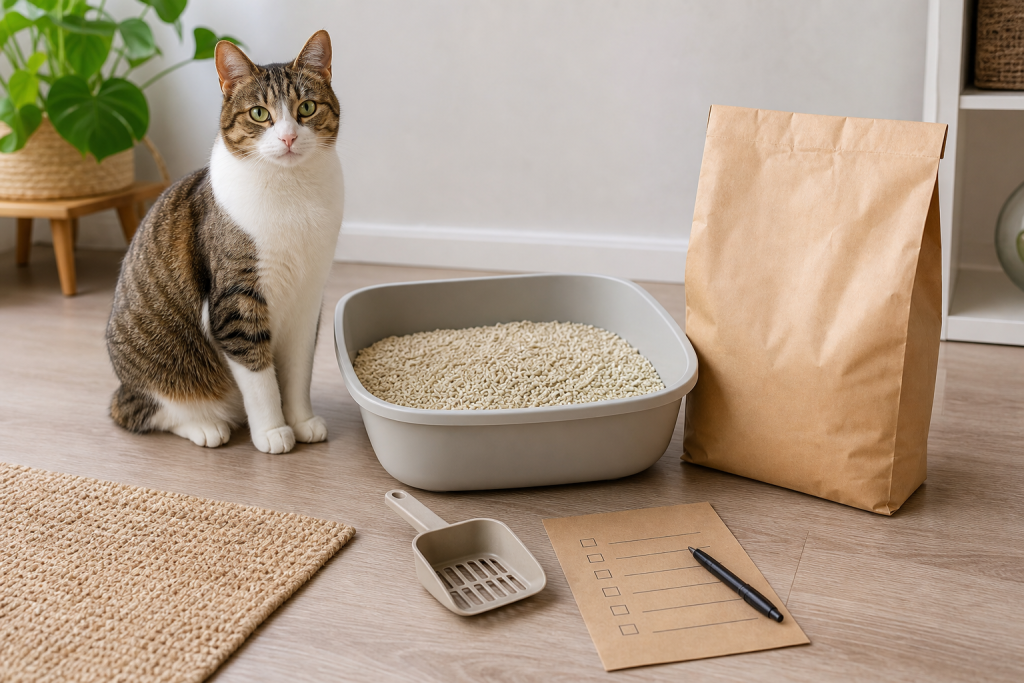
#cat litter deals
#litter subscription
#pet supply shipping
A cheap cat litter deal can stop being cheap once shipping, repeat-delivery timing and return friction hit the cart. The safer move is to compare the delivered cost per usable pound, buy a small trial size before committing to a bulk box, and avoid changing litter type only because one large bag is on sale. Cats can reject a litter that feels, smells or tracks differently, so the wrong bargain can cost more than the discount saves.
Cat litter is getting attention again because fall deal pages are full of heavy household staples, and recent shopping coverage keeps surfacing litter as a repeat-buy item rather than a one-time pet accessory. That matters for cat owners because the product is awkward to return, often bought in 20 to 40 pound sizes, and easy to overbuy when a subscription or free-shipping threshold looks attractive.
Why the heavy box changes the deal
Litter is not like a toy or a collar where the sale price tells most of the story. The checkout page can change the economics through shipping thresholds, subscription settings, delivery method, return rules and the weight of the item. If you are comparing a 14 pound bag, a 28 pound bag and a 40 pound box, the lowest unit price can still be the wrong pick when your cat has never used that texture before.
Chewy’s help page says standard shipping is free for orders with a subtotal of $49 or more before tax and discounts, while smaller orders have a flat standard shipping charge. PetSmart says shipping costs are calculated at checkout based on the products and shipping method selected, and its shipping help notes that some products over 70 pounds or with large dimensions cannot use certain USPS options. Those details make the cart total more important than the product tile.
Do this math before you order
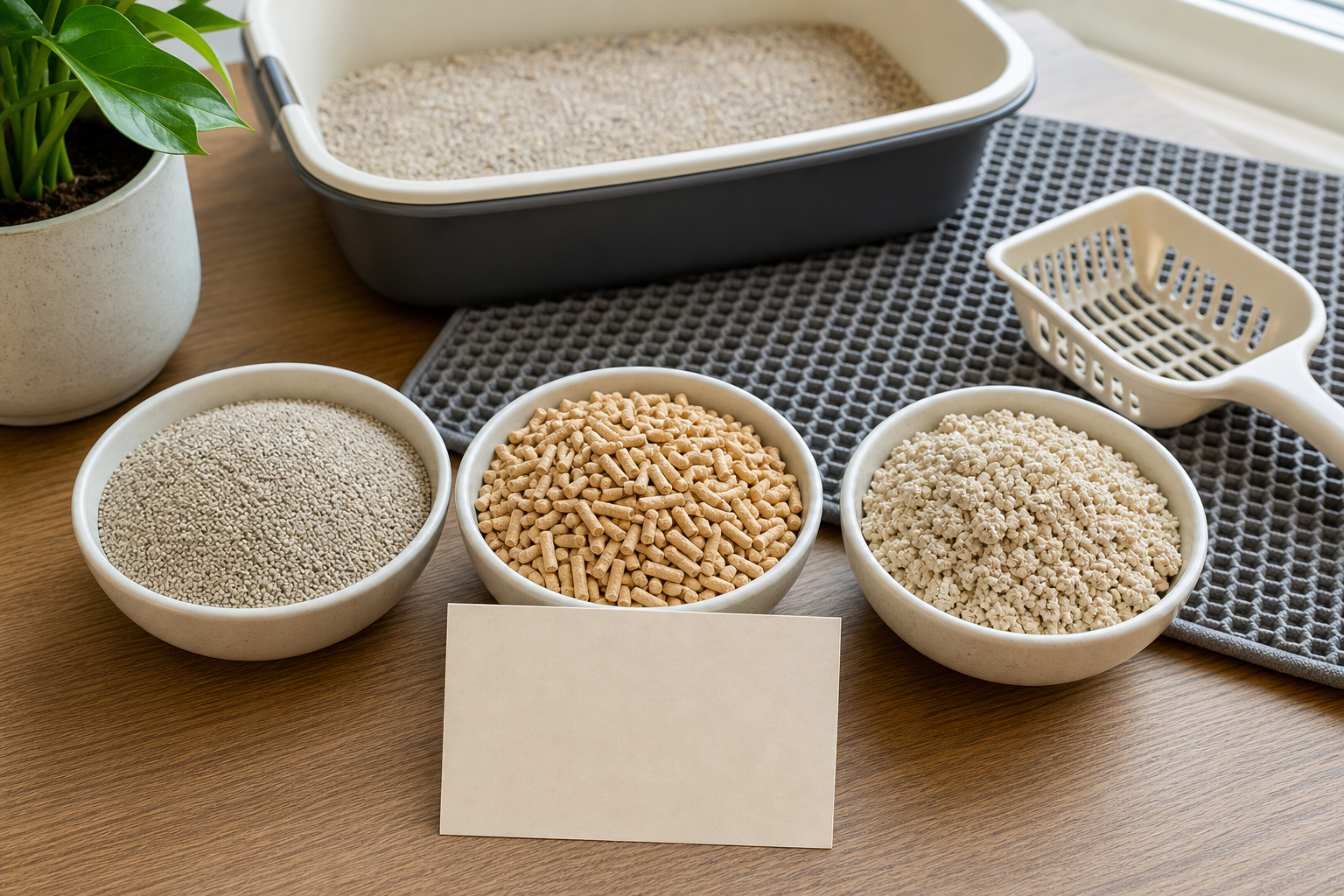
Start with the delivered price, not the shelf price. Add the litter, shipping, delivery fees and any subscription discount that actually appears in the order summary. Then divide by the usable pounds or kilograms in the package. If the promotion only works after adding an extra item you do not need, include that item in the real cost of the deal.
For subscriptions, check the second delivery before treating the first order as your normal price. Amazon says Subscribe & Save customers can choose a schedule, change cadence, skip or cancel, and receive a reminder email with the upcoming price and discount. That is useful, but it also means the price you see on the first shipment is not the number to memorize. The next order can land when you still have half a box left, especially with one cat or a low-waste litter system.
Use this quick comparison before paying:
- Cart total after shipping, taxes and discounts, not just the product page price.
- Cost per usable pound after any required add-on item.
- Whether the first-order subscription discount changes on repeat deliveries.
- How many days one package normally lasts in your home.
- Whether your cat has already used that material, scent and granule size.
- Return route if the bag arrives damaged or your cat refuses it.
The litter type matters more than the coupon
Recent NBC Selected guidance on cat litter points out that shoppers have to weigh material, particle size, scent, clumping level, dust level and tracking, along with the number of cats and the type of box. That is the practical reason not to jump from clay to crystal, tofu, paper, wood or corn only because a bulk pack is discounted. Those products can behave very differently under a cat’s paws and on your floors.
If your cat already uses a litter reliably, treat a new material as a test, not a stock-up event. Buy the smallest sensible size first, mix gradually if your veterinarian or the brand’s directions support that approach, and keep the old litter available during the trial. A sale is not helpful if the cat avoids the box, tracks more dust through the house or makes you throw away most of a large bag.
Be especially careful after surgery, urinary concerns, sudden litter-box changes or any sign of straining, pain or unusual frequency. NBC’s article notes that a veterinarian may recommend a temporary litter change after surgery, such as a low-dust, non-clumping option. Shopping advice cannot clear a medical issue, so ask your vet before changing products for a health reason.
Return friction is part of the price
A heavy litter box is easy to buy online and annoying to send back. PetSmart’s return instructions say online returns are accepted in store with order confirmation, but mail returns require a return authorization and label, and a return shipping fee is deducted from the refund. The same page says shipping charges are non-refundable and exchanges are not available by mail.
That does not mean online litter deals are bad. It means you should decide in advance what you will do if the product arrives split, is the wrong texture, or does not work for your cat. Store pickup can be better than delivery when the price is similar and you want a simpler return route. Delivery can still win when the product is proven in your home, the cart clears free-shipping terms, and you will actually use the full size before the next order.
Deal and coupon checks before paying
Do not assume a banner discount applies to every litter size or seller. Some marketplace, vendor-direct, same-day delivery or special-order items can have different shipping and return paths. PetSmart’s shipping page says some products may only offer one shipping option, and total shipping charges are calculated before the order is completed. That is your moment to catch a deal that looked better on the listing than it does in the cart.
Before you place the order, check:
- Promo eligibility for the exact scent, size and seller.
- Whether the price changes when you choose pickup, delivery or subscription.
- Whether a heavy bag pushes the order into a shipping restriction or fee.
- Whether the coupon is first shipment only.
- Whether you can pause the next subscription before it ships.
- Whether damaged-package claims need photos or original packaging.
Skip any coupon page that promises a large discount but sends you to a different size, a third-party seller you did not intend to use, or a product your cat has never tried. A smaller verified discount on a proven litter is usually better than a dramatic-looking price cut on a box you may not finish.
What to avoid
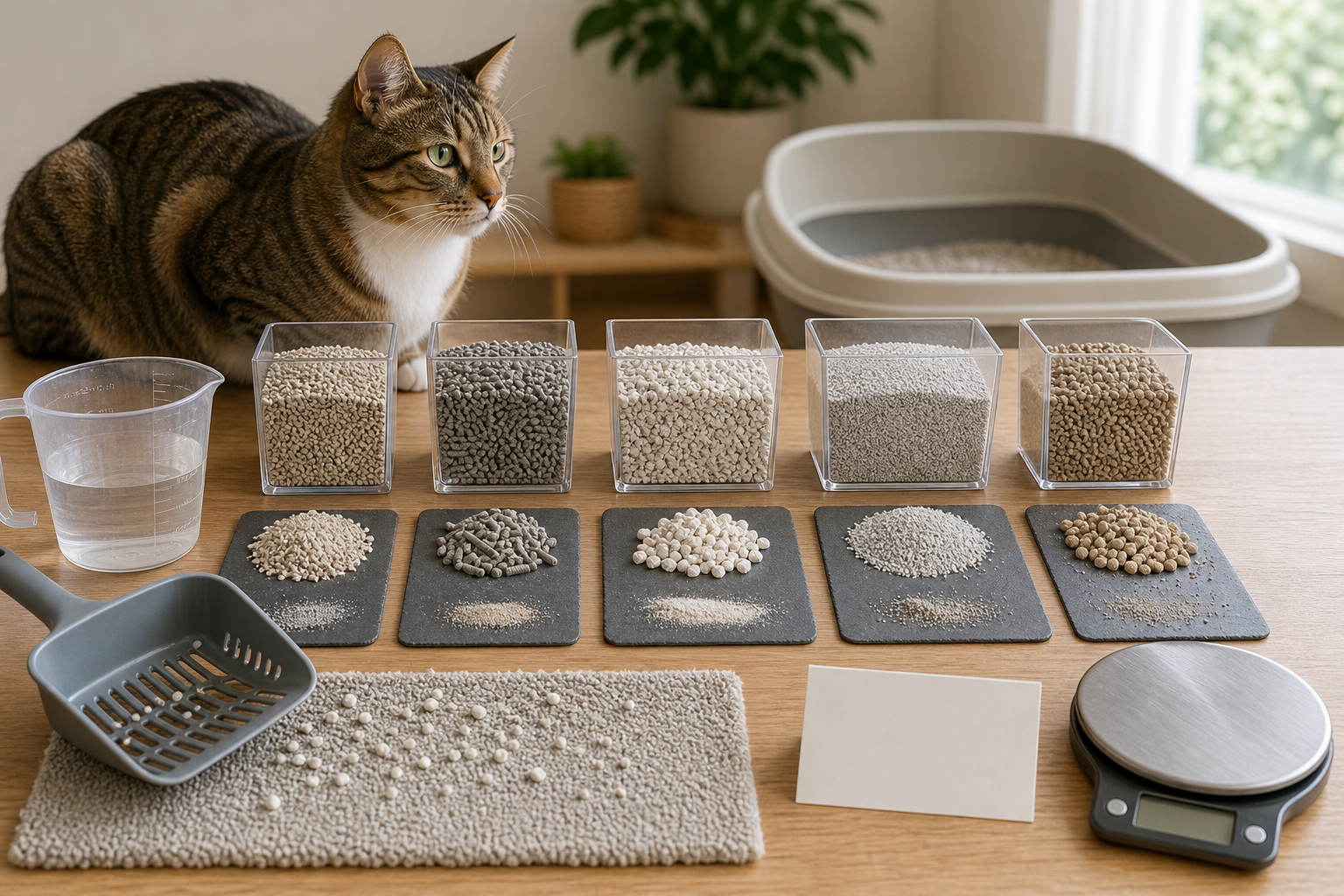
Avoid buying the biggest box as your first trial. Avoid scented litter if your cat already prefers unscented. Avoid changing material, box liner and litter depth all at once, because you will not know which change caused a problem. Avoid storing a large opened paper, wood or plant-based litter where moisture can reach it.
Also avoid treating health-monitoring litter colors, odor changes or box avoidance as a diagnosis. Those products can be useful prompts, but a cat that strains, cries, urinates outside the box, visits the box repeatedly or suddenly changes habits needs veterinary guidance. The shopping decision is which product to buy, not whether care can wait.
Quick answers
Is a 40 pound box always the best cat litter deal?
No. It can be a good deal for a litter your cat already uses, but it is risky for a first trial. Compare delivered cost per usable pound and return friction before choosing the largest size.
Is Subscribe & Save smart for cat litter?
It can be, especially for a proven litter with predictable usage. Check the repeat price, shipment frequency and reminder email before the next order ships.
Should I switch litter types for a sale?
Only cautiously. Material, scent, dust, granule size and clumping behavior can affect whether your cat uses the box. Trial small first.
What is the safest checkout habit?
Open the final order summary, verify shipping and subscription terms, then ask whether you would still buy the product if the first-order coupon disappeared on the next shipment.
Sources
Sources last checked September 24, 2026, 10:32 CEST, Europe/Rome.