
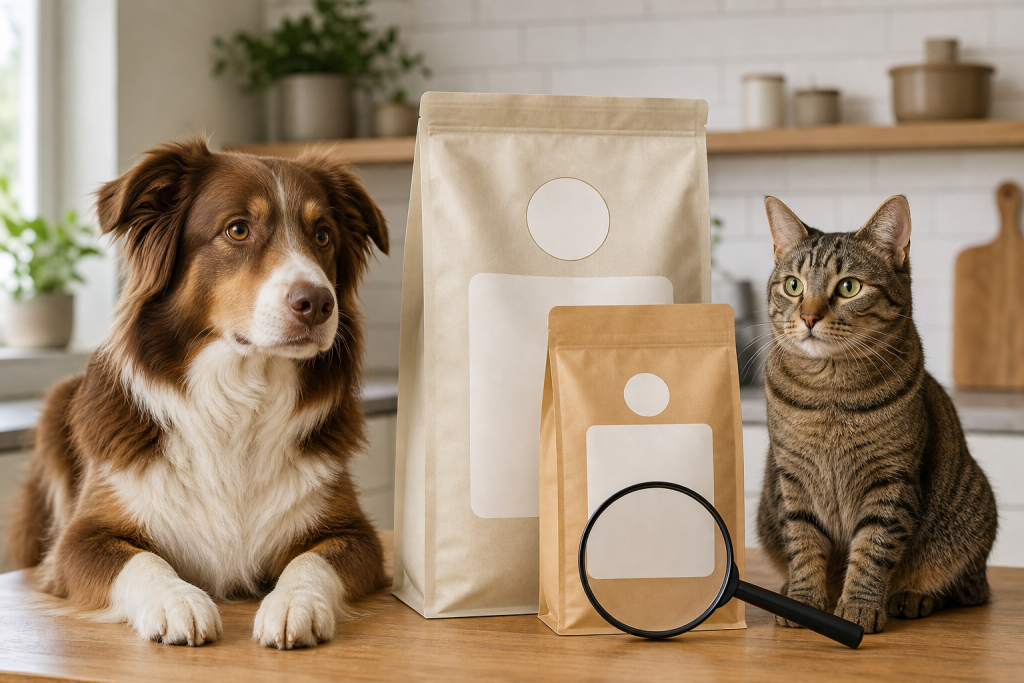
#cat food deals
#cat food labels
#propylene glycol
A cat food deal is not worth it if the ingredient list includes propylene glycol. FDA import guidance says propylene glycol has not been shown to be safe for use in cat food, and AAFCO tells consumers it is unsafe for cats and prohibited from cat food. Before you buy a discount case, imported pouch, soft treat, or variety pack for a cat, search the full ingredient list, not just the front-of-bag claims.
This matters now because pet owners are shopping across more marketplaces, deal pages, and imported specialty foods while recall and import-alert results are easy to misunderstand. The FDA’s 2026 import-alert index includes a cat-food-specific alert for products containing propylene glycol, while AAFCO’s consumer ingredient guide draws a clear line between dog food and cat food. That does not mean every bargain cat food is unsafe. It means a cheap listing deserves one extra label check before it enters your cart.
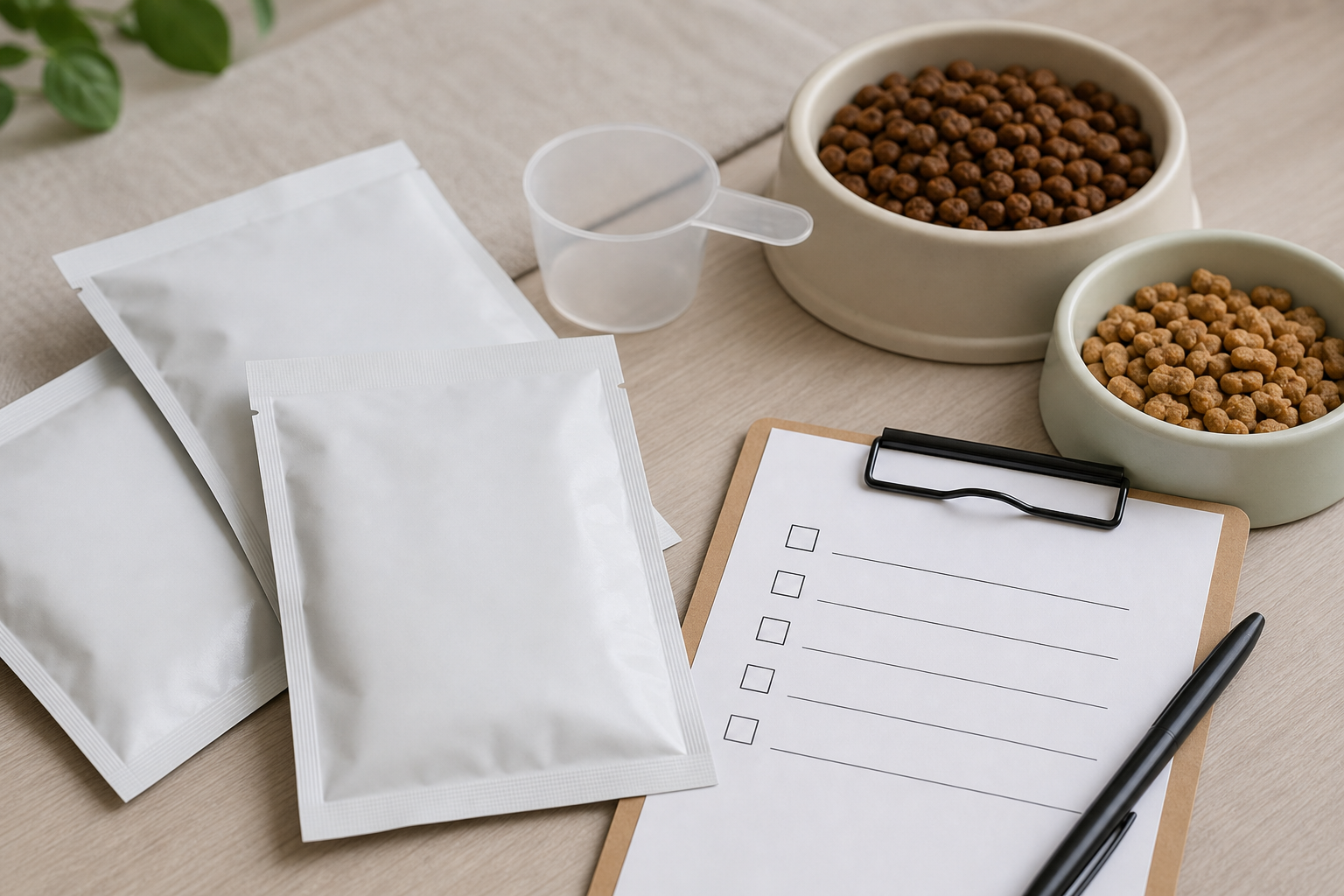
Why One Ingredient Can Change the Deal
Propylene glycol can appear in some animal-food contexts as a humectant or texture ingredient, but cats are the problem species for this shopping check. AAFCO’s consumer ingredient guide lists propylene glycol as allowed only in dog food and says it is unsafe for cats and prohibited from use in cat food. FDA’s Import Alert 72-06 is even more specific: cat food products found to contain propylene glycol may be detained without physical examination.
For shoppers, the practical lesson is simple. Do not treat “pet food” as one category when a dog and cat share a home. A dog treat, soft chew, topper, or moist product may be labeled for dogs only. If a cat can reach it, steal it, or receive it as a shared snack, the label matters more than the sale badge.
The bigger checkout mistake is assuming that front-panel phrases such as “premium,” “natural,” “gourmet,” “soft,” or “for pets” answer the safety question. They do not. The relevant detail is in the full ingredient panel and species statement. If the page does not show the label clearly, that is a reason to pause, not a reason to guess.
The Label Check Before You Buy Cat Food Online
Start with the product’s species. The food should clearly say it is for cats, not just for pets or small animals. Then read the ingredient list from start to finish. Search the page for “propylene glycol” if the retailer page is long, but still open the image of the back label when one is available.
Next, look for the nutritional adequacy statement. AAFCO tells consumers to use the nutritional adequacy statement to understand whether a food is complete and balanced for a species and life stage. That statement will not replace the ingredient check, but it helps separate a daily food from a topper, snack, or intermittent-use product.
Finally, check who is selling and shipping the item. A marketplace listing can combine old images, incomplete ingredient panels, or third-party seller details that are easy to skip. If the listing has no back-label image, no lot or package-size clarity, or conflicting species language, compare it with the manufacturer’s current page before paying.
Dog Products Are the Hidden Household Risk
Many cats do not politely ignore dog food. They jump onto counters, nose into bags, and steal dropped treats. That is why a dog-only bargain can become a cat-shopping issue even when the cat is not the intended customer.
If a dog product includes propylene glycol, store it as a dog-only item and keep it away from cats. Do not use it as a shared training treat, pill wrap, topper, or emergency snack. If the label says dog only, take that seriously. If your cat has eaten a product you are worried about, contact your veterinarian or a pet poison control service rather than trying to judge the risk from a shopping article.
Multi-pet households should also be careful with autoship boxes. A repeat order can arrive while someone else in the house unpacks it, and dog treats can end up in a shared treat jar. Keep original packaging until the bag is finished so the ingredient list, lot code, and feeding directions stay available.
Deal And Coupon Checks That Actually Help
A coupon is useful only after the product passes the label check. For cat food, compare the delivered price by usable ounce or day of feeding, then check the species, life stage, ingredient list, package count, seller, return terms, and subscription settings.
Be careful with clearance food, imported multipacks, and mixed bundles. A low price can be attached to a short-dated product, a formula change, or a listing with thinner label information than the manufacturer’s page. If the retailer offers a first-order subscription discount, verify the repeat price and the cancellation window before you use it. Do not assume the first shipment’s discount applies forever.
For marketplace purchases, favor listings that show a clear back label and identify the seller. If the item is fulfilled by a major platform but sold by a third party, read the seller name, shipping origin, and return terms before you trust the badge. A cheap price is not enough when the product is a daily food for a cat.
What To Avoid
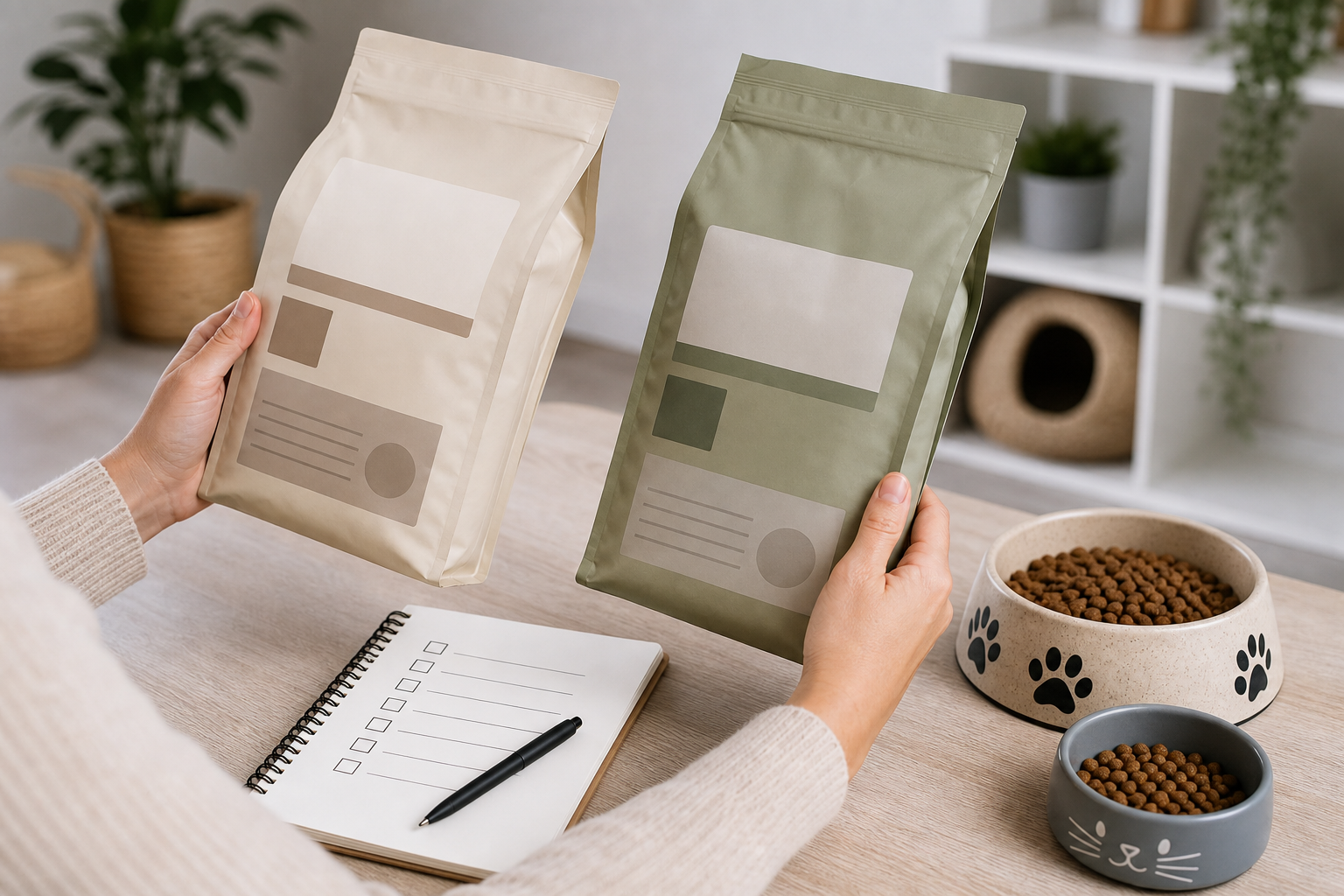
Avoid any cat food or cat treat listing where the ingredient panel is missing, cropped, blurry, or inconsistent between images. Avoid buying a dog-only soft product for a household treat jar if a cat can access it. Avoid relying on review photos as the only label source, because reviews may show older packaging.
Also avoid panic. An FDA import alert is not the same thing as a new recall of every cat food on the shelf. It is a regulatory signal that shoppers can turn into a practical habit: read the label, use official sources, and do not buy cat food from listings that hide the details you need.
If you already bought a cat food and now see an ingredient that worries you, save the package, take photos of the label and lot code, and ask your veterinarian what to do next. Do not change a cat with medical needs onto a new diet abruptly without veterinary guidance.
Quick Answers
Is propylene glycol allowed in cat food?
FDA says it has not been shown to be safe for use in or on cat food, and AAFCO tells consumers it is unsafe for cats and prohibited from cat food.
Does this mean dog food with propylene glycol is automatically unsafe?
No. The cat-food warning is species-specific. The shopping issue is that dog-only products should not be shared with cats, and mixed households need storage rules.
Should I avoid every imported cat food?
No. The smarter move is to read the full ingredient list, confirm the food is labeled for cats, check the seller, and use official sources when a safety question appears.
What if a retailer page does not show the full label?
Do not guess. Check the manufacturer’s current label, choose another listing with better documentation, or buy from a retailer that shows the full package clearly.
Sources
Sources last checked: September 24, 2026, 13:35 CEST, Europe/Rome.