
#dog dental care
#pet dental care
#pet toothpaste
#teeth whitening
#VOHC
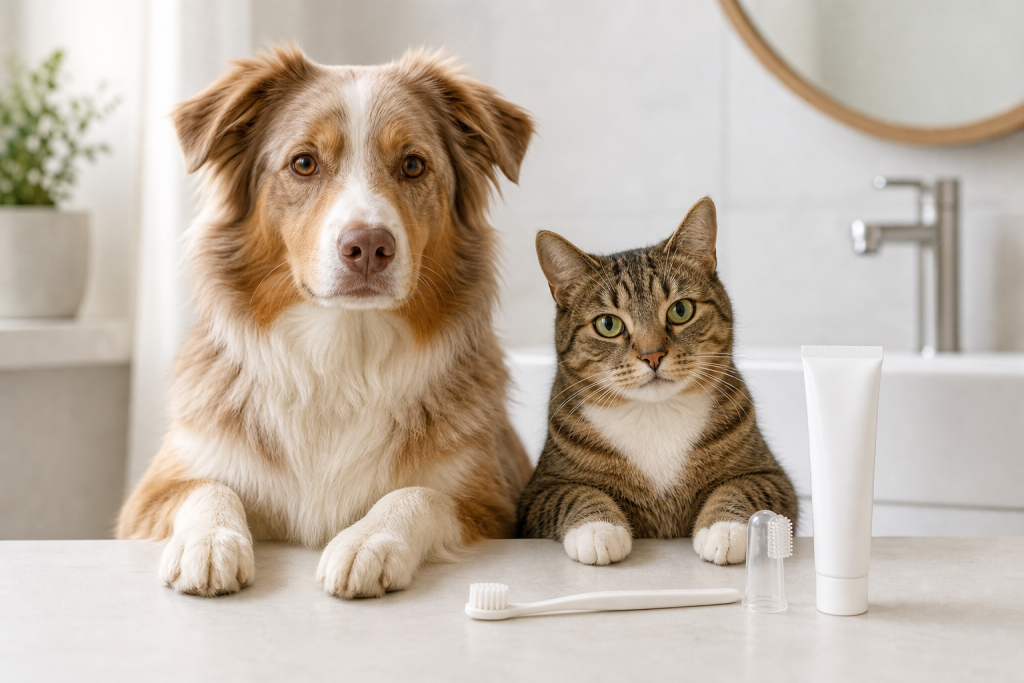
A pet teeth-whitening pen is not a shortcut around brushing, plaque control or a veterinary dental exam. Before buying one, check whether the product is actually made for dogs or cats, whether it has a VOHC-supported plaque or tartar claim, what ingredients it uses and what the return policy says after the package is opened. If your pet has bad breath, pain, bleeding gums, loose teeth or heavy tartar, skip the cosmetic promise and ask your veterinarian first.
These pen-style gels are showing up in pet-shopping trend feeds because they look cheap, tidy and easy to apply. That is exactly why the checkout deserves a pause. A small tube can seem less intimidating than a toothbrush routine, but the useful question is not whether the teeth look whiter in a listing photo. It is whether the product fits a safe oral-care plan for your pet.
Why This Claim Matters Now
Pet dental products are a crowded aisle, and owners are seeing more wipes, powders, gels, sprays, toothbrush kits and novelty applicators in the same search results. VelocitySpy’s September 2026 pet-supply trend page listed a “Pet Teeth Whitening Pen” among active pet products, while several higher-demand cleaning and grooming products were already heavily covered in the archive. The trend signal is small, but the claim is worth explaining because whitening language can make a routine oral-care product sound more powerful than it is.
Veterinary dental sources put the priority elsewhere. The American Veterinary Medical Association says regular brushing is the most effective home step for keeping pet teeth healthy between professional cleanings, and it also notes that many dental products make oral-health claims that are not all equally effective. The Veterinary Oral Health Council seal is useful because it is tied to plaque and tartar control claims, not cosmetic whiteness.
The Checkout Question: Is It Dental Care or Just Cosmetic Copy?
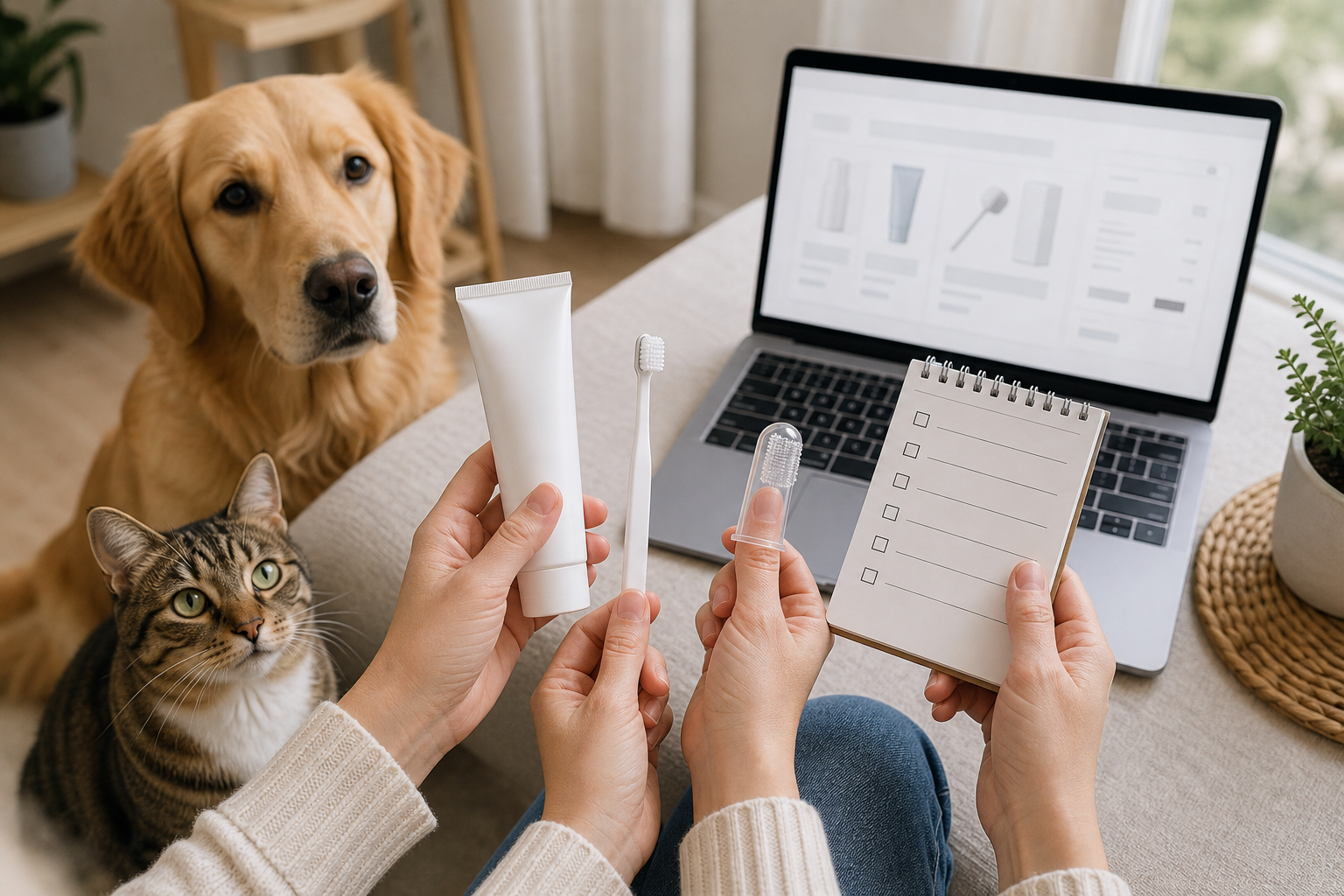
Start by reading the front label and the detailed product page as two separate things. A phrase like “whitening” may describe stain appearance, breath-freshening or polishing language, but it does not automatically mean the product controls plaque, removes tartar below the gumline or prevents dental disease.
For a dog or cat oral-care product, look for these checks before you pay:
- Species: Confirm it is labeled for the pet you own. A dog-focused product is not automatically right for cats.
- Claim type: Separate “whitening,” “fresh breath,” “plaque” and “tartar” claims. They are not the same promise.
- VOHC status: Search the current VOHC accepted-products lists for the exact product name and species. Do not assume a seal applies to every flavor, format or animal.
- Application method: A pen still has to reach the tooth surface. If your pet will not tolerate mouth handling, the bargain may sit unused.
- Ingredients: Avoid human dental products and check sweeteners, flavors and active ingredients. FDA and ASPCA materials warn that xylitol can be dangerous for dogs and appears in some oral-care products.
- Open-package returns: Dental gels may be hard to return once opened, especially if bought from a marketplace seller instead of a retailer with clear pet-supply return terms.
How to Compare a Pen With Toothpaste, Wipes and Gels
A pen may be easier to store and less messy than a tube, but convenience is only useful if it improves consistency. Compare the real cost per usable application, not just the sticker price. A small tube that lasts two weeks can cost more than a larger toothpaste or gel that your pet accepts calmly.
Also compare the claim against the product category. VOHC’s dog list includes categories such as water additives, oral gels, oral sprays, toothpaste, powders, toothbrushes and wipes. Its cat list also includes specific accepted products, but the cat category is narrower. If a whitening pen is not on the relevant list, that does not automatically make it unsafe or useless, but it does mean you should not treat the listing as proven plaque or tartar control.
For pets that resist brushing, a vet may suggest a step-up routine: mouth handling, a finger brush, gauze, toothpaste, wipes or a diet or treat with a suitable dental claim. The right purchase is the one your pet will tolerate and your veterinarian considers appropriate for their mouth, not the one with the cleanest before-and-after photo.
Deal and Coupon Checks Before You Buy
Do not buy a three-pack just because the unit price drops. Oral-care products are habit products, and first-time acceptance matters more than bulk savings. A pen that your dog licks off instantly, or a cat refuses after one try, is not cheaper in a larger bundle.
Before using a coupon, verify:
- whether the discount applies to one item or requires a bundle;
- whether Subscribe & Save, Autoship or repeat delivery is turned on by default;
- whether the seller is the brand, a known retailer or a marketplace account with unclear returns;
- whether the product page shows the full ingredient list before checkout;
- whether the expiration date or period-after-opening makes sense for one pet;
- whether the checkout total still beats a vet-recommended toothpaste, gel or wipe after shipping.
If the listing leans on dramatic photos, vague whitening language or a huge percentage discount but does not show species guidance, ingredients and directions, the deal is weaker than it looks.

What to Avoid
Avoid any pet whitening product that looks like a relabeled human tooth-whitening pen. Pets swallow more product during oral care than people do, and they cannot tell you if a gel burns, tastes strange or makes a sore tooth hurt. Do not use human toothpaste on cats, and do not assume a human-style cosmetic whitening claim belongs in a dog or cat’s mouth.
Skip products that promise to remove serious tartar without brushing or veterinary cleaning. The AVMA explains that disease below the gumline cannot be seen fully from the outside and that professional dental evaluation may require anesthesia. A home product can support routine care, but it cannot inspect roots, gum pockets or painful dental disease.
Also avoid treating bad breath as a fragrance problem. Persistent bad breath, bleeding, pawing at the mouth, reduced appetite, loose teeth, swelling or pain should move the decision from a shopping cart to a veterinary conversation.
Quick Answers
Are pet teeth-whitening pens worth buying?
Only if the product is clearly labeled for your pet’s species, has transparent ingredients, fits a routine your pet will tolerate and does not replace proven plaque-control steps. For many owners, a vet-approved toothpaste, wipe or gel is easier to evaluate.
Does a whitening claim mean the product removes plaque?
No. Whitening, breath-freshening, plaque control and tartar control are different claims. Check the exact product against VOHC’s accepted-products lists if the listing implies dental-health benefits.
Can I use a human whitening pen on my dog or cat?
No. Use products made for pets and ask your veterinarian if you are unsure. Human oral-care products can contain ingredients or concentrations that are not appropriate for pets.
What should I buy first for pet dental care?
Start with your veterinarian’s advice, especially if your pet already has symptoms. For routine home care, compare species-labeled toothbrushes, toothpaste, wipes, gels, diets or treats with clear plaque or tartar claims.
Sources
Sources last checked: September 26, 2026, 10:33 CEST, Europe/Rome.
- American Veterinary Medical Association, Pet Dental Care
- AVMA pet dental care brochure
- Veterinary Oral Health Council, VOHC Seal of Acceptance
- VOHC Accepted Products for Dogs, May 2026 PDF
- VOHC Accepted Products for Cats, March 2026 PDF
- VCA Animal Hospitals, Cats, Nutrition, and Periodontal Disease
- FDA, Paws Off Xylitol, It’s Dangerous for Dogs
- ASPCA, Poisonous Household Products
- VelocitySpy, Trending Pet Products on TikTok, September 2026