
#dog boots
#hot pavement
#paw protection
#pet deals
#summer pet supplies
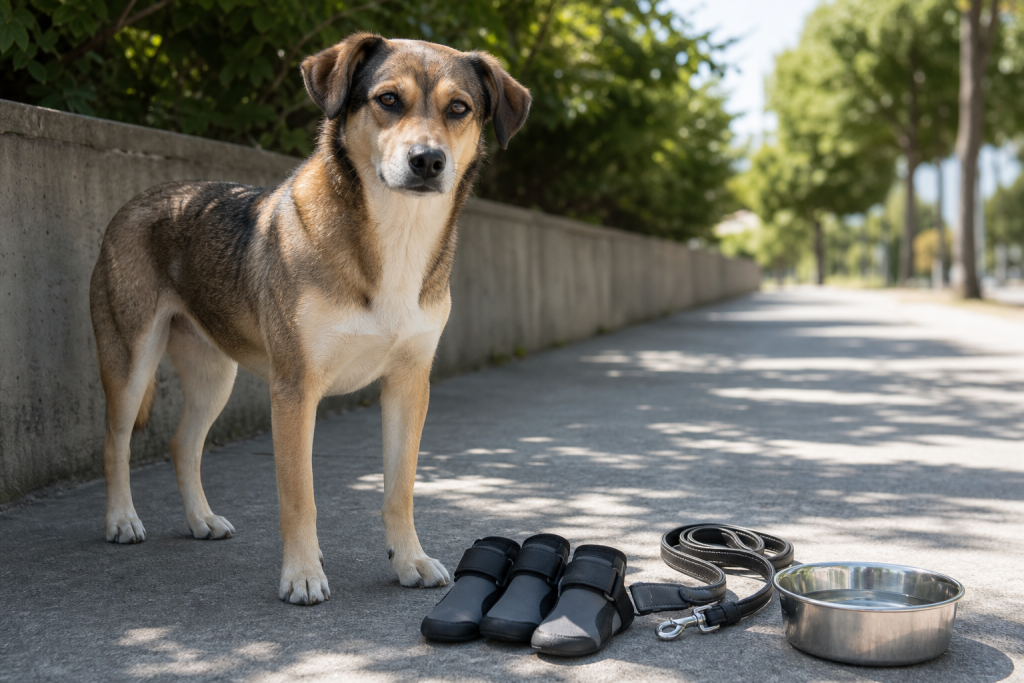
A discounted pair of dog boots is not a good deal if the boots slip off, trap heat, rub the paw or give you confidence to walk on pavement that should be avoided. For hot sidewalks, the purchase has to pass three checks before checkout: real sole protection, a snug but breathable fit and a return policy that lets you exchange the size after a careful indoor try-on. Paw balm can be useful for conditioning dry pads, but it should not be treated as a stand-alone shield for hot asphalt.
That matters now because summer pet shopping is moving into practical outdoor gear. Rover’s May 2026 summer travel survey found that many pet parents are still planning trips and prioritizing their pets’ needs, while Interzoo 2026 highlighted functional pet accessories for active, mobile lifestyles. Dog boots, paw wax, portable water bottles and travel leashes can be useful purchases, but only when the product matches the surface, the weather and your dog’s tolerance.
Why hot pavement changes the shopping decision
Hot pavement is not just uncomfortable. The American Kennel Club says asphalt, artificial grass, sand, metal and concrete can become hot enough to cause discomfort, blisters or burns, and it flags 85 degrees Fahrenheit and higher as a point where pavement may not have cooled enough for safe walking. The CDC also tells pet owners to protect pets on hot days, provide fresh water and shade, and never leave pets in parked cars.
The buying mistake is assuming that any “summer paw protection” product solves the whole problem. Boots can help create a barrier, but they do not make midday pavement safe by themselves. A better purchase plan starts with timing walks for cooler hours, choosing grass or shade when possible, and then buying boots only for the unavoidable stretches of sidewalk, parking lot, sand or rough ground.
The checkout checklist before you buy dog boots
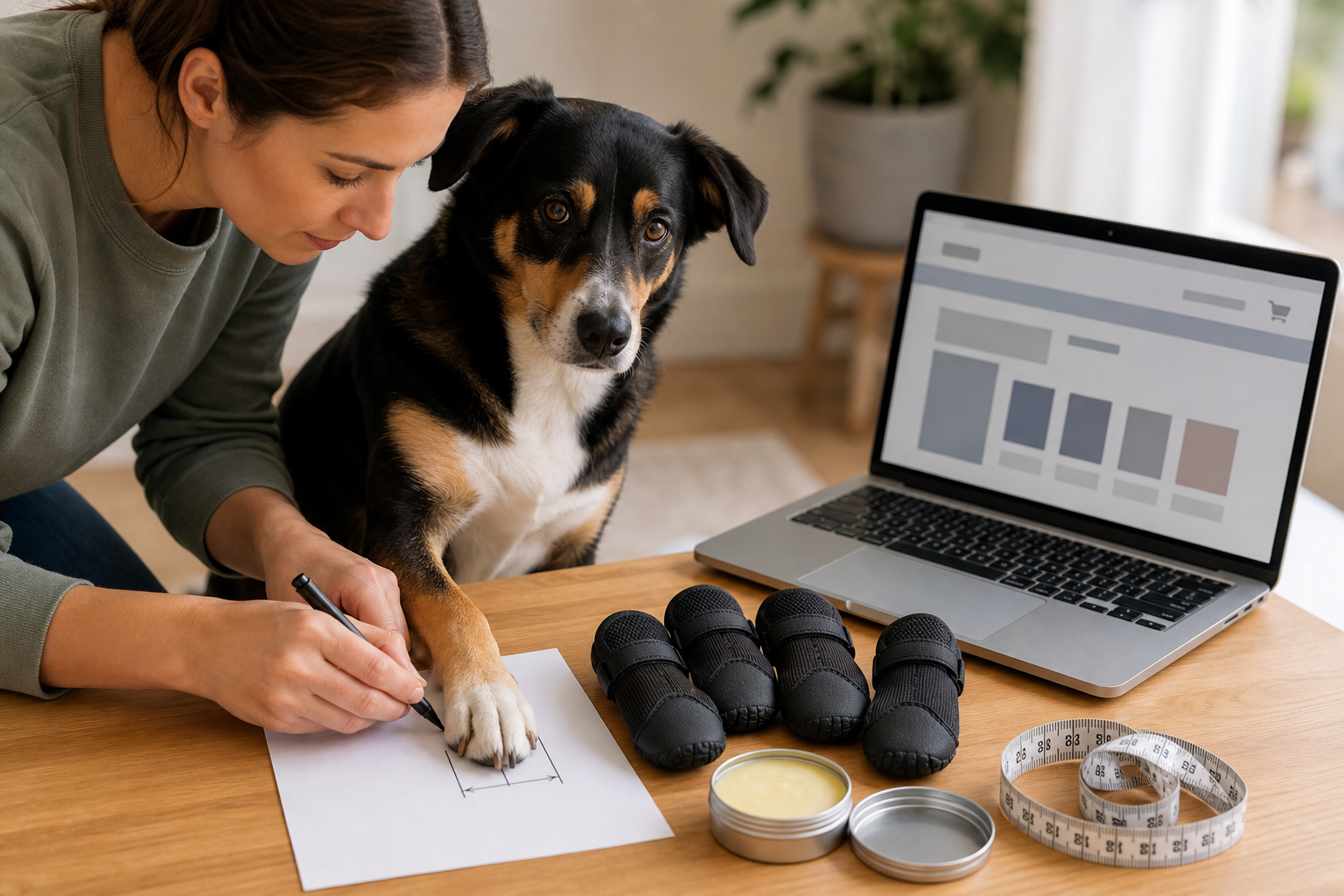
Measure the paw, not the dog. Put the paw on paper while the dog is standing, mark the widest points and compare the result with that brand’s size chart. If the front and back paws differ, follow the manufacturer’s fit guidance rather than guessing from weight or breed.
Look for a sole that matches the surface. Thin sock-style shoes may help with indoor slipping or minor debris, but hot pavement calls for a real heat-resistant or rubber-style sole with grip. If the product page focuses only on cuteness, color or “fashion,” keep looking.
Check closure design. Wraparound straps, adjustable closures and a shape that stays below the joint usually matter more than a flashy upper. Boots that are too loose can fly off or twist; boots that are too tight can rub, restrict movement or make the dog refuse them.
Read cleaning and drying instructions. Summer boots pick up sweat, dust, grass, road grime and beach sand. If the boots cannot be washed or dried easily, the real cost includes odor, replacement and a higher chance that you stop using them.
Practice indoors before the first hot walk. AKC notes that many dogs need time to adjust to shoes. A boot that looks fine in the cart is not ready for a hot sidewalk until your dog can walk comfortably in it at home and on a cool surface.
Where paw balm fits, and where it does not
Paw balm or wax can still be a useful pet-supply purchase. It may help condition dry pads, protect against minor roughness and support winter paw care when salt and ice are the issue. It is not a reliable substitute for changing the route, walking at cooler times or using properly fitted boots when pavement is hot.
PetSmart’s paw-safety guide is blunt on this point: it warns shoppers not to rely on paw balms for hot pavement because balms can melt and do not provide the same barrier. Treat balm as a grooming add-on, not as permission to walk across scorching asphalt.
Deal and coupon checks before paying
Start with the return policy. Fit is the most common reason a dog boot deal fails, so a lower price is not useful if the retailer will not take back the wrong size. Chewy’s return policy says eligible items can be returned within 365 days, while Petco’s published return page says online orders returned to a store are accepted within 30 days for a full refund and 31 to 60 days for merchandise credit, with restrictions.
Check whether the deal is on a full set. Some listings show one boot, two boots or a replacement pair, while most dogs need four. A low price on two boots can become expensive once you add the missing pair and shipping.
Compare the delivered cost, not only the coupon line. Add shipping, return-shipping fees, spare socks, liners and any replacement strap costs. If you are between sizes, a retailer with easy exchanges can be worth more than a small discount from a marketplace seller with vague return terms.
Avoid buying three cheap styles at once unless you have a plan to test and return them cleanly. Dogs often need a short acclimation period, but if a boot clearly twists, pinches or drags during an indoor try-on, do not wait until a hot walk to discover the problem.
What to avoid
Avoid boots that claim to solve heat without explaining the sole, fit or intended surface. Avoid sticky pads that attach directly to paw pads, since AKC specifically advises avoiding products that stick to the dog’s pads. Avoid using boots as a reason to walk during the hottest part of the day, especially with puppies, senior dogs, overweight dogs, flat-faced breeds or dogs with medical concerns.
Also avoid treating a limp, licking or visible paw damage as a shopping problem. If your dog may have burned or injured paw pads, contact your veterinarian. This article is buying guidance, not diagnosis or treatment instructions.
Fast answers
Are dog boots worth buying for summer?
They can be worth it when your dog must cross hot pavement, rough sidewalks, parking lots or sand. They are not a replacement for cooler walk times, shade, grass and fresh water.
Are paw balms enough for hot pavement?
No. Paw balm may help condition pads, but it should not be your main hot-pavement protection. Use it as a grooming support product, not as a heat barrier.
Should I size dog boots by breed?
No. Size by actual paw measurements and the brand’s chart. Dogs of the same breed can have different paw width, nail length and front-to-back paw shape.
What should I do if my dog hates boots?
Start with short indoor sessions and rewards, then test on cool ground. If your dog still cannot tolerate boots, change the route and schedule instead of forcing hot-pavement walks.
Sources
Last checked: 2026-05-31 07:32 Europe/Rome.
- American Kennel Club, “How Hot Is Too Hot for a Dog’s Paws?”, updated Mar. 30, 2026: https://www.akc.org/expert-advice/health/dog-paws-hot-pavement/
- CDC, “Heat and Pets”, Jun. 25, 2024: https://www.cdc.gov/heat-health/risk-factors/heat-and-pets.html
- ASPCA, “Dog Grooming Tips”, paw care guidance: https://www.aspca.org/pet-care/dog-care/dog-grooming-tips
- PetSmart, “Beat the Heat: How to Protect Your Dog’s Paws From Hot Pavement”: https://www.petsmart.com/learning-center/dog-care/beat-the-heat-how-to-protect-your-dogs-paws-from-hot-pavement/A0125.html
- Rover, summer travel survey press release, May 5, 2026: https://www.rover.com/blog/press-release/summer-travel/
- Interzoo, “Trends at Interzoo 2026”, May 12, 2026: https://www.interzoo.com/en/press/press-releases/2026/05/trends-interzoo-2026
- Chewy return policy: https://www.chewy.com/app/content/return-policy
- Petco return policy: https://www.petco.com/returns