
#lost pet tech
#microchip scanner
#pet microchip scanner
#pet microchips
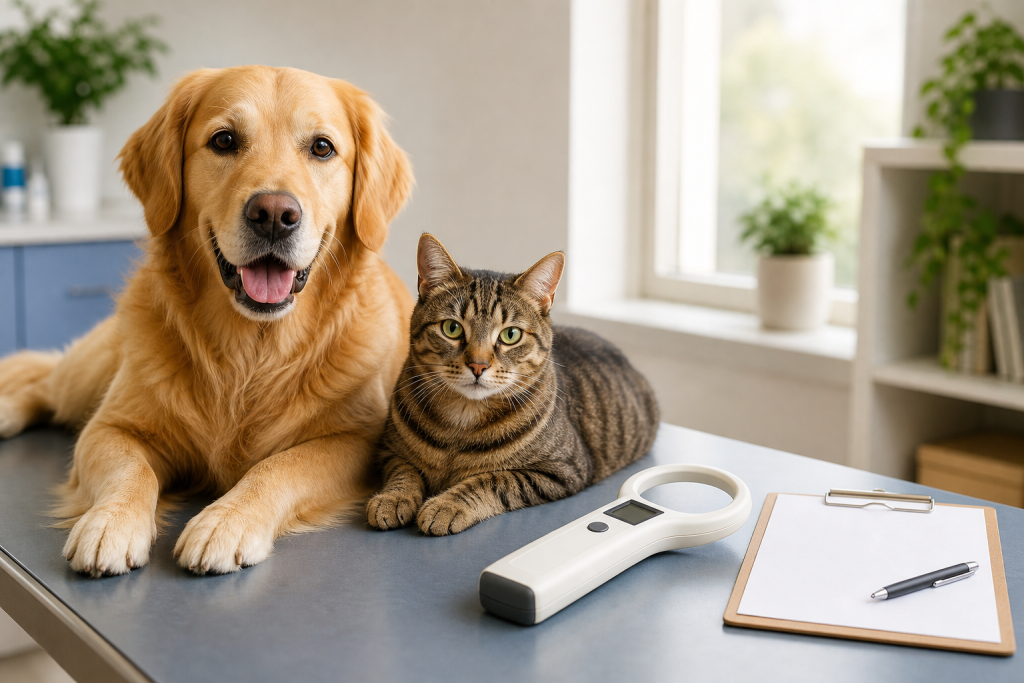
A pet microchip scanner deal can miss the point if the reader only handles some chip frequencies, has weak battery support, or leaves you without a clear registry lookup plan. The scanner is useful only after a pet is found and physically scanned, and a scan result still has to lead to a current registry record. Before buying one for a rescue kit, kennel, travel bag or lost-pet volunteer setup, check compatibility, return terms and what you will do with the chip number.
Microchip searches are getting fresh attention because summer travel, fireworks, storms and open doors all raise the chance of a dog or cat getting separated from an owner. AAHA updated its pet microchipping FAQ in May 2026, and its guidance is a useful reminder for shoppers: a microchip is not GPS, it stores an ID number, and the registry record is what helps a finder reach the owner.
Why This Scanner Detail Matters Now
Handheld microchip scanners are easy to find online, and many listings use words like “universal,” “RFID” or “pet chip reader” as if they all mean the same thing. They do not. AAHA says there are different microchip frequencies in the marketplace and that not all scanners are 100% effective in detecting every chip.
That does not mean pet owners should panic-buy a scanner. Most owners are better served by keeping their pet’s chip registered, asking a veterinarian to scan it during routine care, and keeping a visible collar ID tag where appropriate. A scanner makes more sense for rescues, breeders, boarding facilities, multi-pet travel, farm or kennel settings, and people who regularly help with found pets.
The Checkout Mistake: Buying the Cheapest Reader
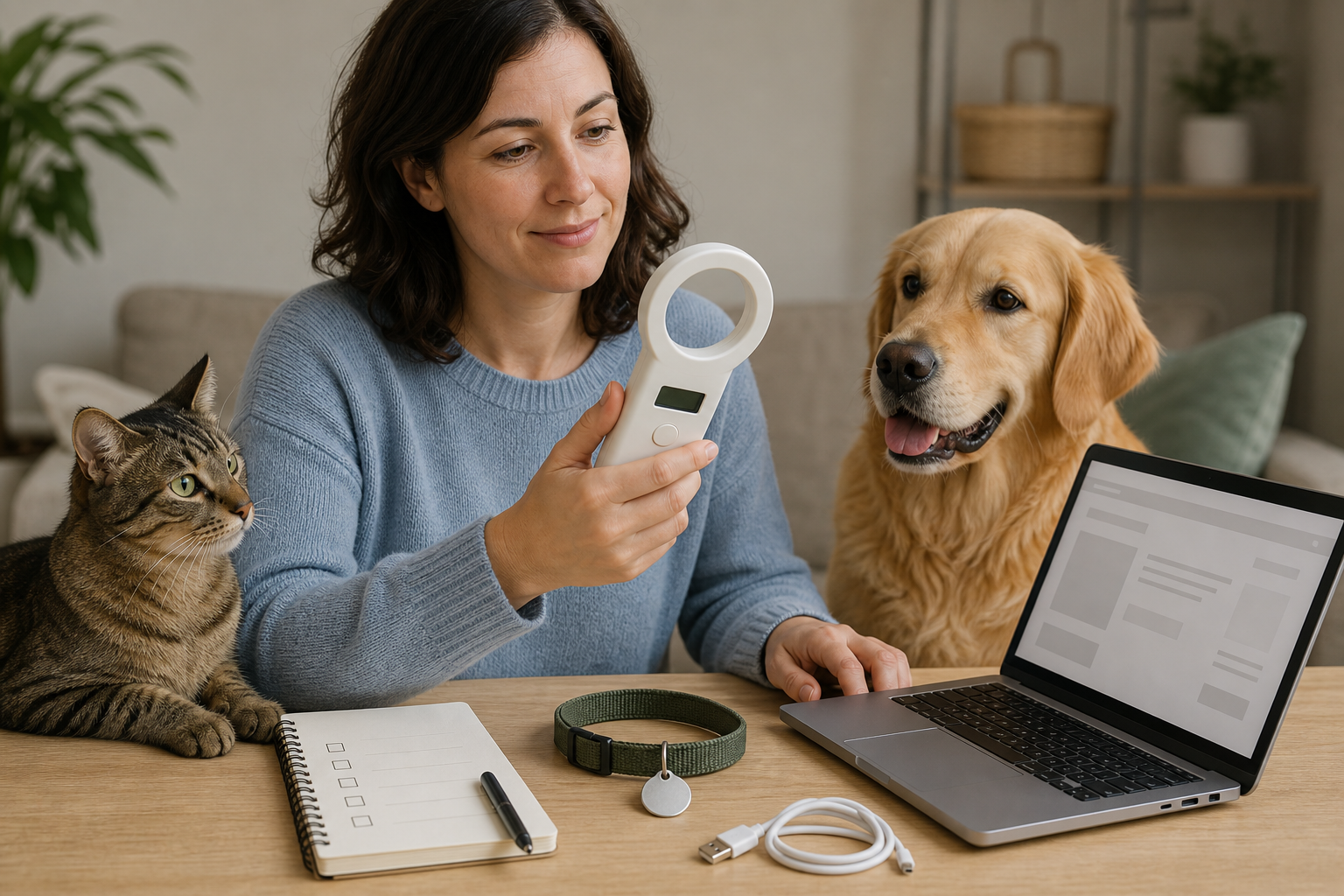
The cheapest scanner can be the wrong deal if it reads only one format, arrives with vague instructions, or cannot be returned after you test it. A pet microchip scanner is not like a simple leash or bowl. You need it to read the chips you are likely to encounter, show the number clearly, and keep working when you are away from an outlet.
Before paying, look for these details in the listing or manual:
- Frequencies: confirm whether it reads 134.2 kHz ISO chips and whether it also reads common 125 kHz and 128 kHz chips.
- Chip types: check for clear language about FDX-B, FDX-A, HDX or other formats rather than a loose “all pets” claim.
- Display: make sure the full chip number is easy to read, copy and photograph.
- Battery: check whether it uses replaceable batteries, USB charging or a built-in battery, and whether charging cables are standard.
- Instructions: look for scan technique, reset steps, error messages and how to confirm a successful read.
- Returns: confirm the return window before testing, because electronics can have stricter terms once opened.
- Support: avoid listings with no manufacturer name, no manual, no warranty path and no way to ask compatibility questions.
What “Universal” Should Mean
Do not trust the word “universal” by itself. AKC Reunite describes its universal scanners as reading 134.2 kHz ISO/international, 128 kHz and 125 kHz chips, including encrypted and unencrypted 125 kHz chips. That kind of frequency detail is the level of specificity shoppers should look for, even if they buy a different brand.
If a listing says only “134.2 kHz” or only “ISO 11784/11785,” it may still be useful for many modern chips, but it may not be the broadest scanner for older or mixed chip populations. If you work with shelters, rescues or found pets, ask local veterinarians or animal control what scanners they use and what chip formats are common in your area.
Scanner Versus Registry Lookup
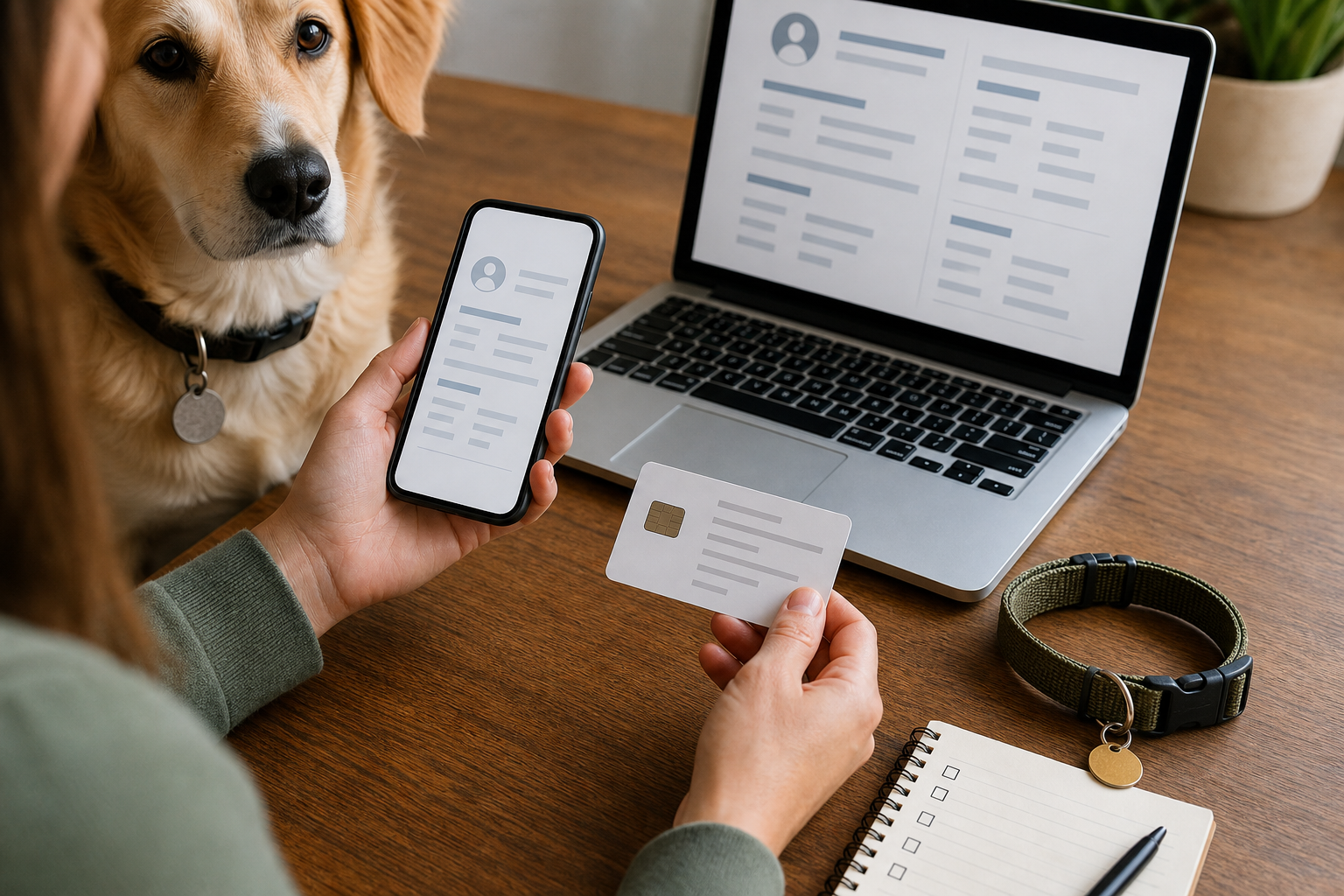
A scanner gives you a number. It does not automatically give you the owner’s phone number, and it does not prove that a chip record is active. AAHA’s Microchip Registry Lookup Tool can help identify which registry may have the record for a scanned 9-, 10- or 15-digit chip number, but AAHA says the tool does not disclose owner information and is not where owners update their pets’ records.
That matters for shopping because a scanner deal is incomplete if you do not have a workflow. If you find a lost pet, the safer path is to involve a veterinarian, shelter, animal control office or the listed registry rather than trying to manage an owner lookup on your own. For your own pet, write down the chip number, check the registry, update your contact information and keep a backup contact current.
Deal And Coupon Checks Before Paying
A scanner discount is only useful if the total package works. Add the scanner price, shipping, return shipping risk, batteries, charging cables, warranty length and any protective case you need. If the seller buries compatibility in an image instead of the text description, save screenshots before checkout.
The FTC advises online shoppers to read the full product description, learn the total cost including shipping and fees, and check refund policies, especially for sale items. That is especially important for handheld electronics sold by marketplace sellers, where two listings can look similar but have different manuals, warranties and return addresses.
For a practical comparison, put each scanner into one of three buckets:
- Owner backup: simple reader for checking your own pet’s chip number at home, with clear return terms.
- Rescue or kennel use: broader frequency support, stronger battery life, readable display and a durable body.
- Professional use: documented compatibility, manufacturer support, instructions, warranty and a local backup scanner.
Safety And What To Avoid
Do not assume “no chip found” means no chip exists. Poor scan technique, a weak battery, pet movement, chip migration or limited scanner compatibility can all affect the result. If the situation matters, ask a veterinarian, shelter or animal control office to scan again with a professional scanner.
Avoid scanners that make GPS-style claims, promise to reveal private owner details directly, or claim to replace tags and registration. AAHA says microchips do not have GPS tracking capability and that the only information stored on a chip is the ID number. A visible ID tag and current registry details still matter.
Also avoid using a scanner as a reason to delay care for a found injured pet. This article is buying guidance, not veterinary or legal advice. When a pet appears injured, distressed or unsafe, contact local animal services, a veterinarian or an emergency clinic for the right next step.
Quick Answers
Should every pet owner buy a microchip scanner?
No. Most owners should first make sure their pet’s chip scans at routine vet visits and that the registry record is current. A scanner is more useful for people who regularly handle found pets, rescue work, kennels, travel groups or multi-pet operations.
Can a scanner track my dog or cat?
No. A scanner reads a chip number after the pet is physically scanned. It does not show the pet’s location.
What should I do after I read a chip number?
Use a proper registry lookup path, then contact the registry, shelter, veterinarian or animal control team as appropriate. Do not assume the first registry result is the only possible record if multiple matches appear.
Is a cheap scanner good enough?
Sometimes, if it reads the chip format you need, has clear instructions, returns are reasonable and you are using it only as a backup. For rescue or professional use, compatibility and support matter more than the lowest price.
Sources
Last checked: June 7, 2026, 04:35 Europe/Rome.
- American Animal Hospital Association, Frequently Asked Questions About Pet Microchipping
- American Animal Hospital Association, Microchip Registry Lookup Tool
- American Animal Hospital Association, Animal Identification and Microchipping
- AKC Reunite, Pet Microchips and Universal Scanners
- Federal Trade Commission Consumer Advice, Online Shopping