
#AI pet translator
#cat body language
#dog body language
#pet tech
#smart pet devices
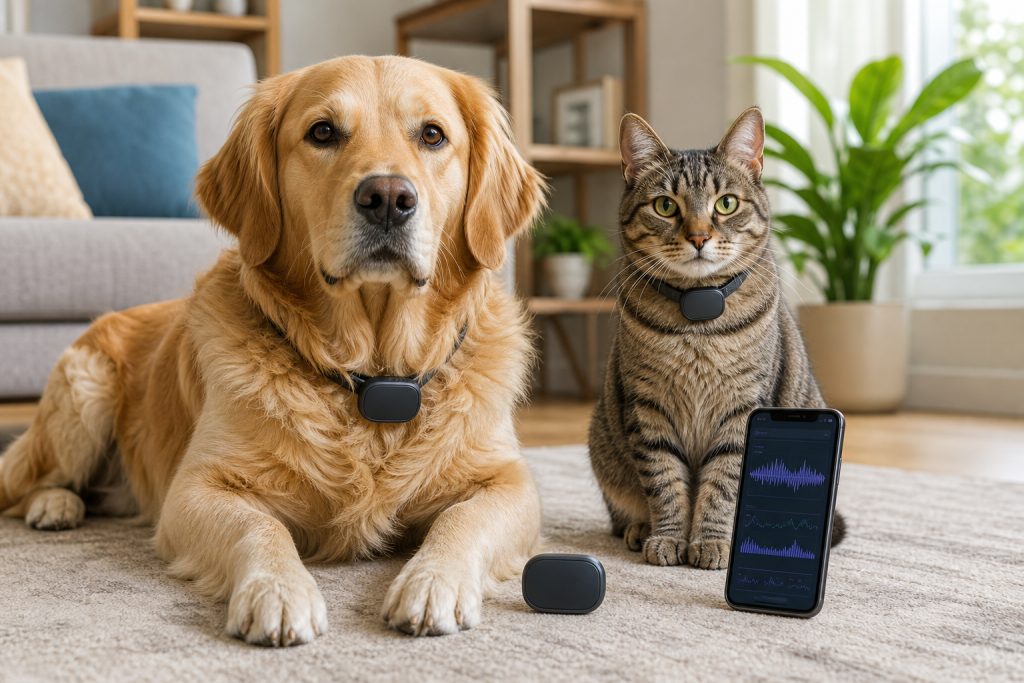
An AI pet translator deal is only worth considering if you treat it as a novelty or training-adjacent gadget, not as a reliable interpreter of your dog or cat. The risky part is not the idea of using sensors and apps, it is paying for a confident “translation” claim without checking proof, privacy, subscriptions, return terms and what the device stops doing if the app disappears.
Pet tech is having another loud moment before the June shopping cycle. Recent pet-gadget coverage has pushed smart collars, cameras, feeders and AI companion products back into deal feeds, and some new devices now claim to turn barks, meows or body movement into plain-language messages. That makes this a good time to slow down before checkout, because the most convincing sales page is not the same thing as a useful product.
Why This Claim Is Harder Than It Sounds
Dogs and cats do communicate, but they do not communicate like people reading from a script. A bark, meow, tail movement or posture can mean different things depending on the animal, the room, the person nearby, the trigger, pain, fear, play, hunger or habit.
That context problem matters for shopping. If a collar or app says it can translate your pet’s feelings into exact human sentences, the checkout question should be simple: what evidence supports that claim, and what are the limits? A helpful device might flag activity patterns, noise, movement or possible stress cues. A questionable device makes emotional or health-like statements sound more certain than they are.
What To Check Before Buying An AI Pet Translator
Start with the claim on the product page, not the discount. Look for a clear explanation of what the device actually measures: microphone audio, movement, location, camera footage, manual owner input or a mix of those signals. If the page only says “AI understands your pet” but does not explain the inputs, treat the feature as entertainment.
- Evidence: does the company provide independent testing, a transparent accuracy method or only a marketing percentage?
- Species fit: is it built for dogs, cats or both, and does it account for size, breed, age and household noise?
- Subscription: are translations, history, cloud storage or alerts locked behind a paid plan?
- App support: can you find how long the app and security updates will be supported?
- Battery and comfort: is the device light enough for your pet’s collar, and what happens when it gets wet or scratched?
- Return window: can you return it after setup if your pet will not wear it or the feature does not work in your home?

The Deal Trap: Paying For Words Instead Of Utility
The expensive part of an AI pet translator may not be the hardware. It may be the subscription, replacement charger, collar mount, cloud plan or the need to buy a newer device when the old app loses support.
Before paying, compare the total first-year cost with what you actually want from the device. If your goal is lost-pet recovery, a microchip, visible ID tag or true GPS tracker may be more relevant. If your goal is meal timing, a feeder or camera may solve the problem more directly. If your goal is behavior help, a qualified trainer or veterinarian may be a better use of the money than a gadget that outputs cute sentences.
Privacy Checks For A Pet Device That Listens
A translator-style gadget may collect audio, motion data, location data, app account details or video if it pairs with a camera. That data can reveal more than pet behavior. It can show when people are home, what rooms are active and what routines the household follows.
Check whether the product has two-factor authentication, clear privacy controls, delete/export options and a policy for voice or audio clips. The Federal Trade Commission has warned consumers to secure connected devices and has also flagged that many smart-product pages do not clearly say how long software updates will continue. If a pet gadget needs the cloud to work, software support is not a side detail. It is part of the product.
What To Avoid
Avoid any device or app that makes you feel safe ignoring obvious behavior changes. New hiding, aggression, sudden vocalizing, appetite change, breathing trouble, mobility change, repeated litter box changes or signs of pain should not be “translated” by a shopping app. Ask your veterinarian when a behavior change could be medical, painful or urgent.
Also avoid products that lean on huge accuracy claims without explaining the test. Be careful with ads that show perfect human-like sentences from pets, countdown-style discounts, fake review pressure or unclear refund terms. A fun pet-tech purchase is fine. A device that encourages you to outsource judgment to a black-box app is not.
A Better Checkout Rule
Buy an AI pet translator only if you would still be happy with it as a limited smart collar, sound log or enrichment gadget. Do not buy it because the sale page promises that your dog or cat will finally speak English.
The practical test is whether the product gives you something useful even when the translation feature is wrong. Battery alerts, activity history, lost-device support, comfortable hardware, reliable app updates and easy returns are more valuable than a dramatic sentence on a phone screen.
FAQ
Can AI really translate dog barks or cat meows?
AI can analyze patterns in audio, movement and owner-reported context, but that is not the same as proven word-for-word translation. Treat exact sentences as an interpretation feature unless the company provides strong, transparent evidence.
Is an AI pet translator useful for anxiety?
It may help you notice patterns, but it should not diagnose anxiety or replace a veterinarian, veterinary behaviorist or qualified trainer. If your pet’s behavior changes suddenly or seems extreme, get professional advice.
Should I buy one during Prime Day or a pet-tech sale?
Only if the return window, subscription terms, app support, battery life and privacy controls still make sense after the discount. A low hardware price is not useful if the main feature requires a plan you do not want to keep.
Sources
Last checked: 2026-06-07 16:32 Europe/Rome.
- TechRadar, dog-care gadgets and smart pet tech coverage
- Tom’s Guide, CES 2026 AI pet companion coverage
- Federal Trade Commission, deceptive AI claims enforcement
- Federal Trade Commission, securing internet-connected devices at home
- Federal Trade Commission, smart-product software update transparency
- American Kennel Club, how to read dog body language
- ASPCApro, canine body language tips
- RSPCA, understanding cat body language