
#cat dental care
#dog dental care
#pet dental products
#pet toothpaste
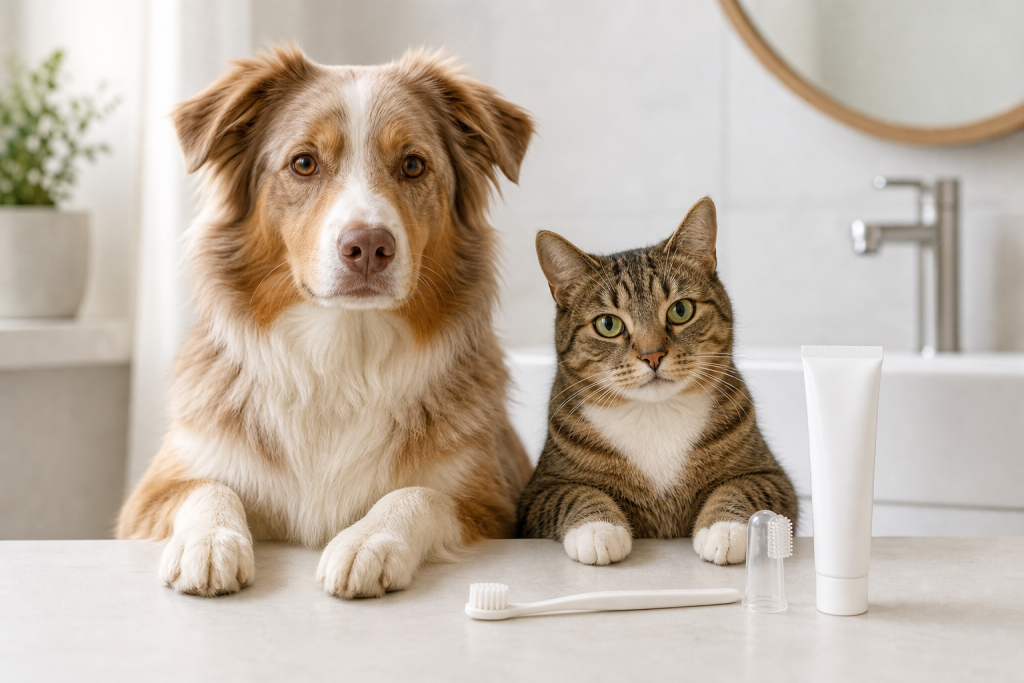
A pet toothpaste deal is only useful if the product is made for dogs or cats, fits your pet’s routine and has a credible oral-care claim. The checkout mistake is buying the cheapest tube or kit without checking the ingredient list, brush size, VOHC status and whether the flavor will actually help you build a brushing habit. Human toothpaste is not a backup option for pets.
Dental care is a year-round purchase, but it matters more during summer deal season because small add-on items often get tossed into carts to reach free shipping thresholds. Toothpaste kits, finger brushes, wipes and water additives can look interchangeable in a sale grid. They are not interchangeable once you consider swallowing risk, product claims, pet tolerance and how often you will need to reorder.
Why Pet Toothpaste Is a Checkout Product, Not Just a Grooming Add-On
Pet toothpaste sits in an awkward part of the shopping cart. It is inexpensive enough to buy quickly, health-related enough to deserve caution and easy to confuse with dental chews, breath sprays or human dental products. That is why the safest deal check starts before price.
The American Veterinary Medical Association says daily brushing is best for dogs and cats, although brushing several times a week can still help when daily brushing is not realistic. The key shopping point is simple: toothpaste only helps if your pet lets you use it consistently. A giant multi-pack is not a bargain if the brush is too large, the texture is messy or the flavor makes your cat disappear after one attempt.
The Label Check That Comes Before the Discount
Look for a product that is clearly labeled for pets, then read the ingredient list and directions before you buy. Do not use human toothpaste on a dog or cat. Pets swallow toothpaste instead of spitting it out, and some human dental ingredients are not appropriate for them.
Xylitol deserves special attention for dog owners. The FDA warns that xylitol is dangerous for dogs and can trigger a rapid drop in blood sugar, with more serious outcomes possible. That does not mean every pet toothpaste is risky, but it does mean a shopper should never assume a “natural,” “sugar-free” or human-family toothpaste is safe for a dog.
For cats, the practical check is slightly different. Many cats resist mouth handling, so a smaller brush head, finger brush, wipe or vet-recommended gel may matter more than a large dog-style kit. If your cat already has bad breath, drooling, bleeding gums, loose teeth or trouble eating, skip the bargain experiment and ask your veterinarian what dental care is appropriate.
What VOHC Does, and What It Does Not Do
The Veterinary Oral Health Council lists products that have earned its Seal of Acceptance, including categories for oral gels, sprays, toothpaste, toothbrushes and wipes. That seal is useful because it points shoppers toward products with reviewed dental claims.
Still, VOHC status is not the only buying factor. A product can be credible but still wrong for your pet’s mouth size, tolerance, diet, allergies or dental history. Treat the seal as a quality signal, then match the format to your dog or cat and ask your vet when your pet has existing dental disease or pain.
The Deal Math: Tube Price Is Not the Real Cost
Pet toothpaste deals often look best when the kit includes a tube, a long toothbrush and one or two finger brushes. Before paying, check the cost per ounce, the expiration date, the return policy and whether replacement brushes are easy to find. A cheap bundle can become waste if half the tools are the wrong size.
Autoship and subscription offers need the same scrutiny. Retailer deal pages may advertise first-order savings, recurring discounts or free-shipping thresholds, but those terms can change and exclusions can apply. Confirm the final cart price, delivery frequency, cancellation controls and whether the item remains eligible for the promotion before you place the order.
If you are buying from a marketplace, check who sells and ships the product. For pet health-adjacent supplies, a low price is not enough. Prefer listings with clear ingredients, current packaging, readable directions, a recognizable manufacturer and a reasonable return or replacement path if the tube arrives damaged or near expiration.
What to Avoid Before You Brush
- Do not buy human toothpaste for a pet, even if it is marketed as gentle, natural or fluoride-free.
- Do not assume “enzymatic” means proven for your pet’s specific dental problem.
- Do not buy a large multi-pack until your dog or cat accepts the flavor and brush style.
- Do not rely on breath-freshening claims as a substitute for veterinary dental care.
- Do not ignore bleeding, pain, loose teeth, swelling, appetite changes or persistent bad breath.
A Practical Buying Checklist
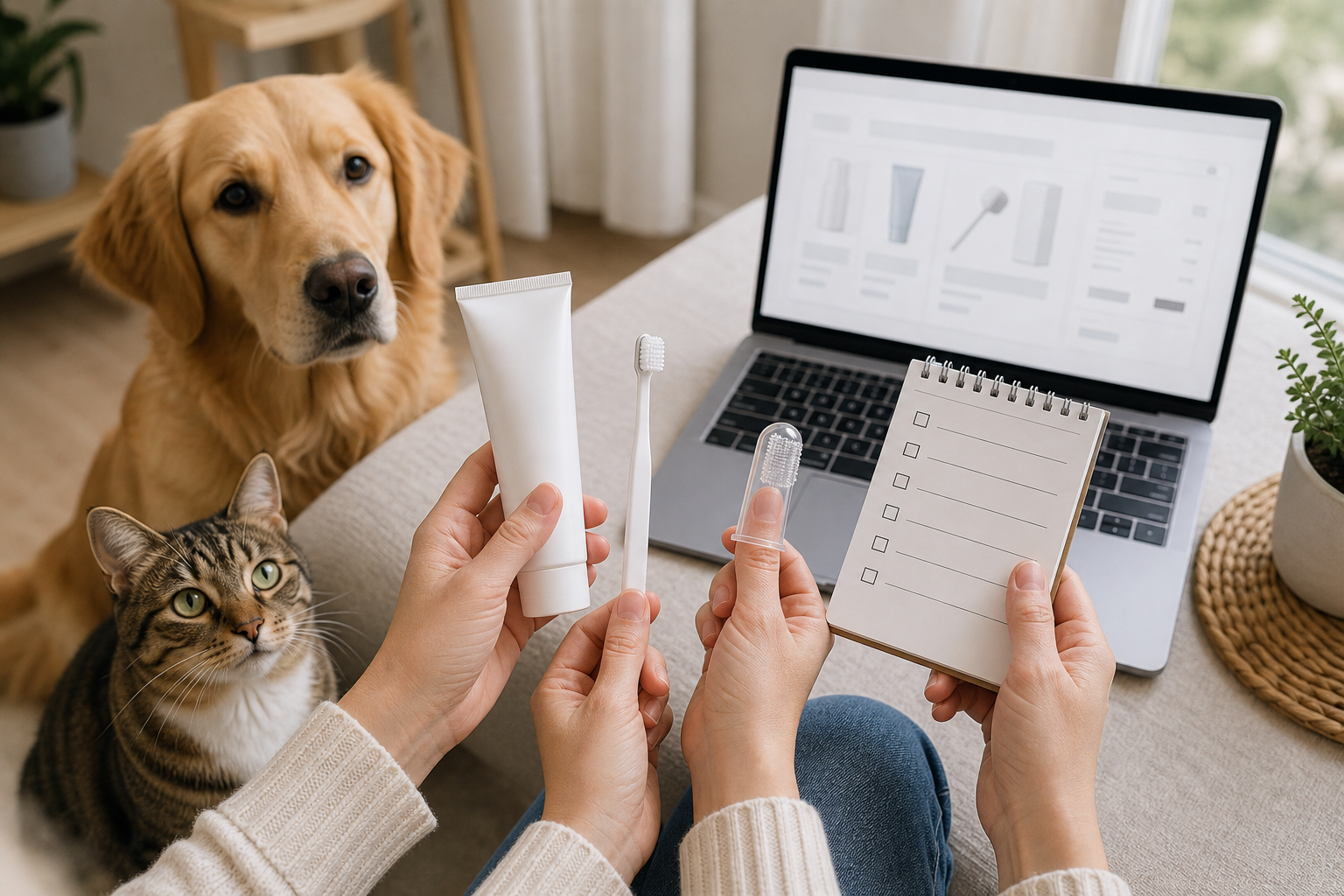
Before checkout, answer five questions. Is it specifically made for dogs, cats or both? Does the ingredient list avoid anything your vet has told you to avoid? Is the brush or applicator small enough for your pet? Does the product have a credible dental claim, such as VOHC acceptance, or is it mainly a breath-freshening product? Can you reorder the same item without being locked into a subscription you do not want?
For puppies, kittens, senior pets and pets with known dental issues, add one more step: ask your vet before turning a sale item into a routine. Toothpaste is a home-care tool, not a diagnosis, pain treatment or replacement for a professional dental exam.
Quick Answers
Can I use human toothpaste on my dog or cat?
No. Buy toothpaste formulated for pets and read the label. Human toothpaste can contain ingredients that are unsafe for pets when swallowed.
Is pet toothpaste worth buying if I already use dental chews?
Often, yes, but the right answer depends on your pet. Brushing targets plaque at the gumline in a way chews may not, while chews can be a useful supplement when chosen carefully.
Should I only buy VOHC accepted products?
VOHC acceptance is a helpful signal, especially for products making plaque or tartar claims. It should be combined with your pet’s size, tolerance, medical history and your vet’s advice.
Are toothpaste subscription deals a good idea?
Only after your pet accepts the product. Start with one tube or a small kit, then consider Autoship if the recurring price, shipping threshold and cancellation terms still make sense.
Sources
Sources last checked June 10, 2026, 01:36 Europe/Rome.
- American Veterinary Medical Association, Pet dental care: https://www.avma.org/resources-tools/pet-owners/petcare/pet-dental-care
- Veterinary Oral Health Council, Accepted Products: https://vohc.org/accepted-products/
- Veterinary Oral Health Council, VOHC overview: https://vohc.org/
- U.S. Food and Drug Administration, Paws Off Xylitol; It’s Dangerous for Dogs: https://www.fda.gov/consumers/consumer-updates/paws-xylitol-its-dangerous-dogs
- ASPCA, Poisonous Household Products: https://www.aspca.org/pet-care/aspca-poison-control/poisonous-household-products
- Chewy Today’s Deals page: https://www.chewy.com/deals/todays-deals-2723
- PetSmart Promotional Terms: https://www.petsmart.com/help/promotional-terms