
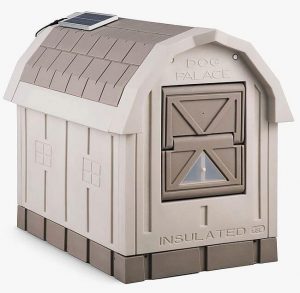
#air-conditioned dog house
#dog heat safety
#dog house cooling
#pet tech
#summer pet supplies
An air-conditioned or fan-cooled dog house can be a bad deal if it makes you trust the shelter more than the temperature. These products may help with airflow or comfort in mild conditions, but they do not turn an outdoor dog house into a safe place during dangerous heat. Before buying, check shade, ventilation, power safety, size, cleaning and the return policy, then plan for indoor cooling when the weather is severe.
Why this matters now
Summer pet cooling products are moving fast in searches and sale pages because heat, travel and outdoor time all rise at once. That creates a tempting checkout story: buy a fan, cooling insert or “air-conditioned” dog house and the problem is solved.
The safer shopping view is narrower. A dog house can trap heat if it sits in direct sun or blocks airflow, and a fan does not cool dogs the same way it cools people. Dogs mostly manage heat through panting and contact with cooler surfaces, so the surrounding temperature, humidity, shade and water access still matter more than the product label.
The checkout checks that matter most
Start with the shelter itself. A cooling fan or ice-pack insert will not rescue a dog house that is too small, poorly ventilated or sitting where the afternoon sun hits it. Look for a raised floor, cross-ventilation, an opening that does not block airflow and enough room for your dog to lie naturally without being pressed against warm walls.
Then check how the cooling feature actually works. Some listings use “air-conditioned” loosely for a soft crate with ice packs, a small fan or reflective fabric. That is not the same as a controlled indoor room. If the product needs frozen packs, ask how long they realistically last, whether replacements are included and whether your dog can chew or puncture them.
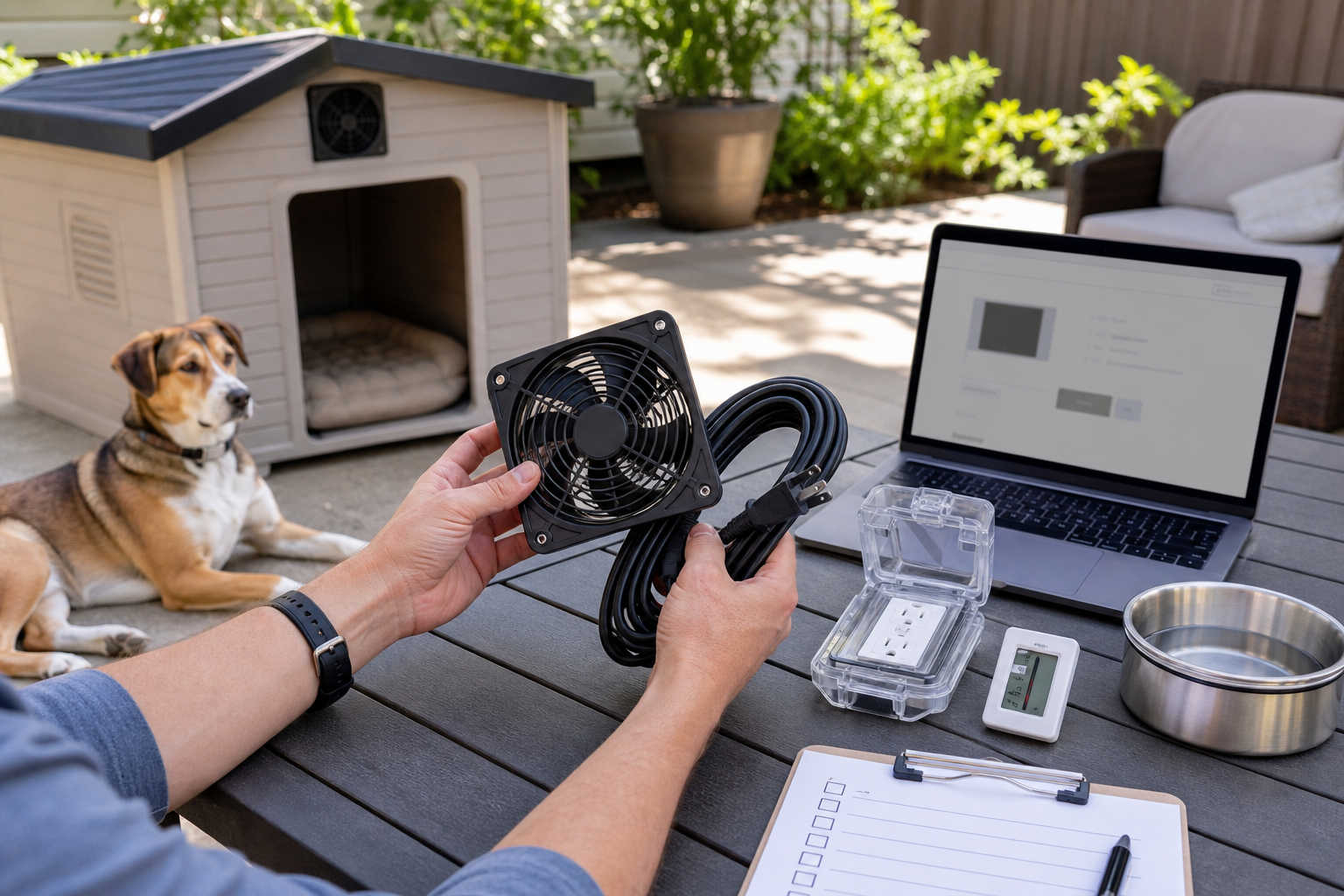
If the product plugs in, treat the electrical setup as part of the purchase. Outdoor cords and temporary power setups can create shock or fire risk when they are overloaded, damaged, not rated for outdoor use or exposed to standing water. A cheap fan is not cheap if you also need a safer outlet, weather protection, a better cord route or a different location.
What a real deal should include
A useful dog-house cooling deal should make the total setup clearer, not just lower the sticker price. Before paying, verify:
- the dog house dimensions, not just the breed suggestion;
- the fan, cooling insert or AC-style unit power source;
- whether the cord, plug and housing are suitable for the place you plan to use them;
- replacement costs for filters, ice packs, fan parts or covers;
- cleaning access for hair, dirt and moisture;
- return rules after assembly or outdoor use;
- whether the product still needs full shade to work as intended.
Be careful with marketplace listings that promise extreme cooling without explaining the mechanism. If the photos show a tiny enclosed shelter, vague “AC” wording and no clear ventilation, treat the discount as a reason to slow down, not a reason to buy faster.
When a coupon is not enough
A coupon can make sense for a sturdy, well-ventilated shelter, a washable cooling mat or a replacement fan from a seller with clear returns. It is less useful when the product pushes you into hidden extras: outdoor-rated cords, extra ice packs, proprietary filters, new covers, replacement fans or a larger size after the first one arrives too small.
Also check shipping and return costs. Large dog houses can be expensive to send back, and some sellers restrict returns after assembly. A sale price loses value quickly if the product arrives flimsy, too small or unsuitable for your climate.

What to avoid
Do not buy a powered dog-house cooling product as permission to leave a dog outside in extreme heat. Official heat guidance consistently points back to water, shade, cooler spaces and avoiding dangerous conditions. If the weather is hot enough that you are worried about heat stress, a product listing should not be the deciding authority.
Avoid enclosed plastic shelters with poor airflow, fans that sit where a dog can chew the cord, ice-pack products with unclear materials, and any setup that depends on an extension cord running through wet grass or across a walkway. If your dog is very young, senior, overweight, short-nosed, thick-coated or has health issues, ask your vet how conservative your heat plan should be.
Better ways to spend the money
For many owners, the better buy is not a gadget at all. A shaded tarp that allows airflow, extra water stations, an elevated bed, a safe indoor resting area, a cooling mat used under supervision or a schedule that avoids the hottest hours can do more than a small fan in a hot box.
If your dog must spend supervised time outside, think in layers: shade first, water second, airflow third, and a clear plan to bring the dog indoors when the temperature climbs. The product should support that plan, not replace it.
Quick answers
Is an air-conditioned dog house safe in a heat wave?
Do not assume it is. A small fan, ice-pack insert or enclosed cooling shelter may fail, warm up or lose effectiveness. In dangerous heat, use cooler indoor space and ask your vet about your dog’s risk factors.
Are dog-house fans worth buying?
They can help airflow in a shaded, ventilated setup, but they are not a complete heat-safety plan. Check outdoor suitability, cord safety, cleaning and whether your dog can reach the fan or cable.
What should I check before buying a cooling dog house online?
Check real dimensions, ventilation, materials, power requirements, replacement parts, seller returns, shipping cost and whether the product description explains how cooling actually works.
Can a dog house make heat worse?
Yes, it can if it traps warm air or sits in direct sun. Open shade and airflow can be safer than a closed shelter that looks comfortable in a product photo.
Sources
Last checked: 2026-06-19 01:35 Europe/Rome.
- CDC, Heat and Pets
- American Veterinary Medical Association, Warm Weather Pet Safety
- Heat.gov, At Risk Pets and Service and Support Animals
- Humane World for Animals, Keep pets safe before the temperature gets too hot
- Cummings School of Veterinary Medicine at Tufts University, Keeping Pets Cool in the Summer
- Electrical Safety Foundation International, Reaching to Safety: Use Extension Cords Properly
- U.S. Consumer Product Safety Commission, Extension Cords Business Guidance