
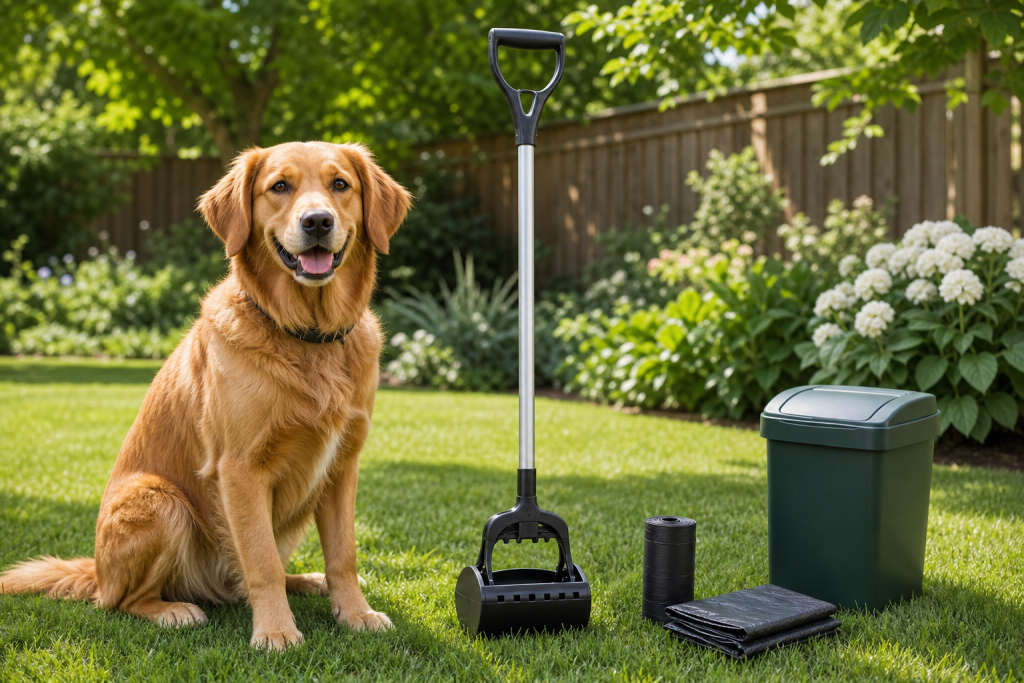
#dog pooper scooper
#dog supplies
#dog waste cleanup
#pet waste
A cheap pooper scooper is only a deal if it works on the surface you actually clean. The mistake is buying by handle length or discount alone, then discovering the jaws miss soft grass, the tray drags on gravel, the spring rusts, or the bags do not fit your cleanup routine. Before checkout, match the tool to your yard, your dog’s output, your storage space and your local disposal rules.
Why This Cleanup Tool Matters Right Now
Dog waste is getting renewed attention because cities are fielding more complaints about mess left on sidewalks and shared green spaces. That does not mean every shopper needs an expensive cleanup station, but it does make the basic purchase more important than it looks.
The health and environmental case is straightforward. The CDC advises pet owners to remove dog feces from yards and public places because dog and cat poop can contain parasites and germs that are harmful to people. The USDA has also warned that dog waste left outside can contribute nutrients and pathogens to waterways when runoff carries it into creeks, rivers and lakes.
That is why the best value question is not “Which scooper is cheapest?” It is “Which setup will make you pick up consistently without fighting the tool?”
The Checkout Mistake: Buying One Scooper for Every Surface
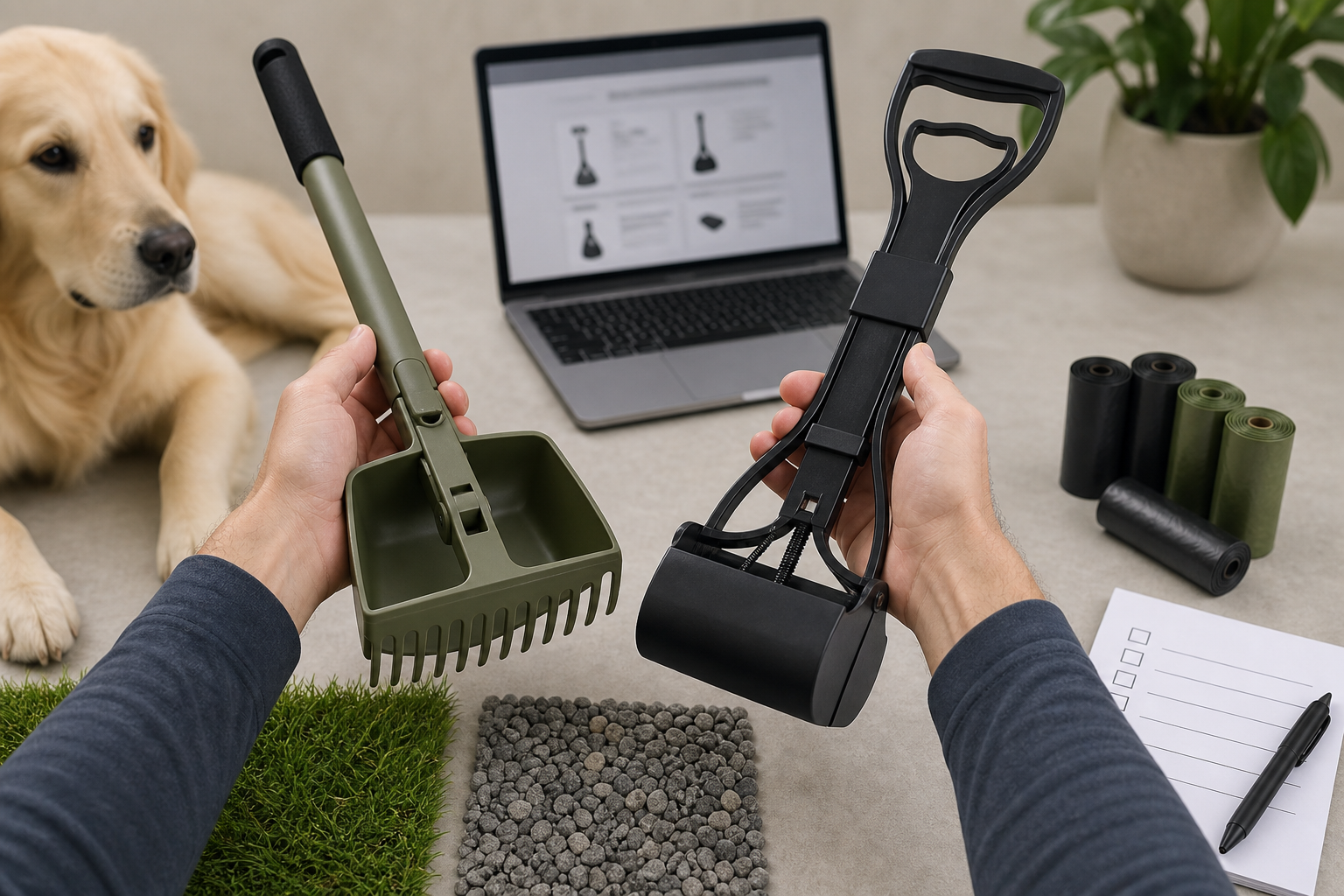
Most disappointing pooper scooper purchases happen because the tool is built for a different surface. A jaw-style scooper can be convenient on patios, short grass and quick walks around the yard, but it may smear or miss waste in taller grass. A rake-and-pan set can work better for lawns, mulch and larger yards, but it is bulkier to store and awkward for tiny patios.
Before buying, check these details:
- Surface match: short grass, long grass, gravel, mulch, concrete and artificial turf need different edges and collection styles.
- Handle length: longer handles reduce bending, but they also need sturdier joints and more storage space.
- Spring and hinge quality: jaw scoopers fail quickly if the hinge feels loose or the spring is exposed to rain and dirt.
- Tray width: multi-dog homes usually need a wider pan or more frequent trips to the trash.
- Bag compatibility: some scoopers work better when lined with bags, while others need a separate bagging step.
- Cleaning and storage: a tool that cannot be rinsed, dried and stored out of the weather will not stay pleasant to use.
Do Not Treat Bags, Scoop and Bin as Separate Deals
A low-priced scooper can become annoying if it forces you into a second purchase. Think about the whole cleanup chain: how you collect the waste, where you bag it, where it waits before trash day and how you keep the tool away from pets and children.
If you already buy dog waste bags, check whether the scooper can be used with ordinary rolls or only with a specific refill system. If you are adding an outdoor waste bin, check whether your local rules allow pet waste in that bin and whether sealed bags must go in household trash. Some municipal and watershed guidance recommends sealed bags in the trash, but local rules can differ, especially where composting, septic systems or shared waste rooms are involved.
What to Verify Before Paying
Use the product page like a spec sheet, not a promise page. Photos with perfect short grass do not prove the tool works in gravel, mulch or wet leaves.
- Dimensions: compare handle length, tray width and folded size with your storage spot.
- Weight: very light plastic may flex, while heavy metal tools may be tiring for daily use.
- Material: look for rust-resistant metal or thick plastic if the tool will live outside.
- Replacement parts: check whether springs, bags or bins are replaceable, or whether a broken hinge means buying a new tool.
- Return terms: waste cleanup tools may have stricter return expectations once opened or used, so read the retailer’s policy before trying it outdoors.
- Reviews by surface: search within reviews for “gravel,” “grass,” “mulch,” “turf,” “large dog” and “rust” instead of relying on star averages.
Deal and Coupon Checks That Actually Matter
For pooper scoopers, the better deal is usually durability plus refill flexibility. A bundle with bags can look cheaper than a standalone tool, but only if the bags are the size and thickness you would buy again. A two-tool set can be useful for a large yard, but it is clutter if you only need a small patio cleanup tool.
Before using a coupon or sale badge, verify:
- whether replacement bags or liners are standard size;
- whether the discount applies to the scooper only or to refills too;
- whether shipping makes a bulky low-price tool more expensive than a local pickup option;
- whether the return window gives you time to test the tool on your actual yard surface;
- whether the product is sold by the retailer or by a marketplace seller with different support terms.
Do not buy a bigger setup just because it is discounted. If it is too large to store by the back door, you will probably use it less.
What to Avoid
Avoid any product that implies dog waste can simply be left to “break down” in the yard. Pet waste is not the same as ordinary fertilizer, and public-health sources advise routine removal. Also be careful with vague “eco” wording. Compostable or biodegradable bag claims do not automatically mean the bag can go in your backyard compost, a municipal green bin or a toilet.
Skip flimsy scoopers for large dogs or multi-dog homes unless you are comfortable replacing them. Avoid retracting, folding or locking mechanisms that look hard to rinse. If your dog has ongoing diarrhea, blood in stool or a sudden major stool change, treat that as a veterinarian question, not a shopping problem.
Quick Answers
Is a jaw-style pooper scooper better than a rake and pan?
It depends on the surface. Jaw scoopers are convenient for quick pickups on flat or short surfaces. Rake-and-pan sets are often more practical for larger lawns, gravel, mulch or multi-dog cleanup.
Do I still need bags if I buy a pooper scooper?
Usually, yes. A scooper collects the waste, but you still need a sanitary way to contain and dispose of it. Check local disposal rules and use sealed bags where required.
Can dog poop stay in the yard if no one steps in it?
No. CDC guidance says dog feces should be removed from yards and public places because pet waste can carry germs and parasites. Routine cleanup also helps reduce odor and runoff problems.
Is the cheapest pooper scooper fine for one small dog?
Sometimes. For a small dog on a patio or short grass, a simple tool may be enough. Still check hinge strength, handle length, bag fit and return terms before buying.
Sources
Sources last checked June 18, 2026, 22:10 Europe/Rome.