
#dog anxiety products
#dog ear protection
#dog earmuffs
#fireworks pet safety
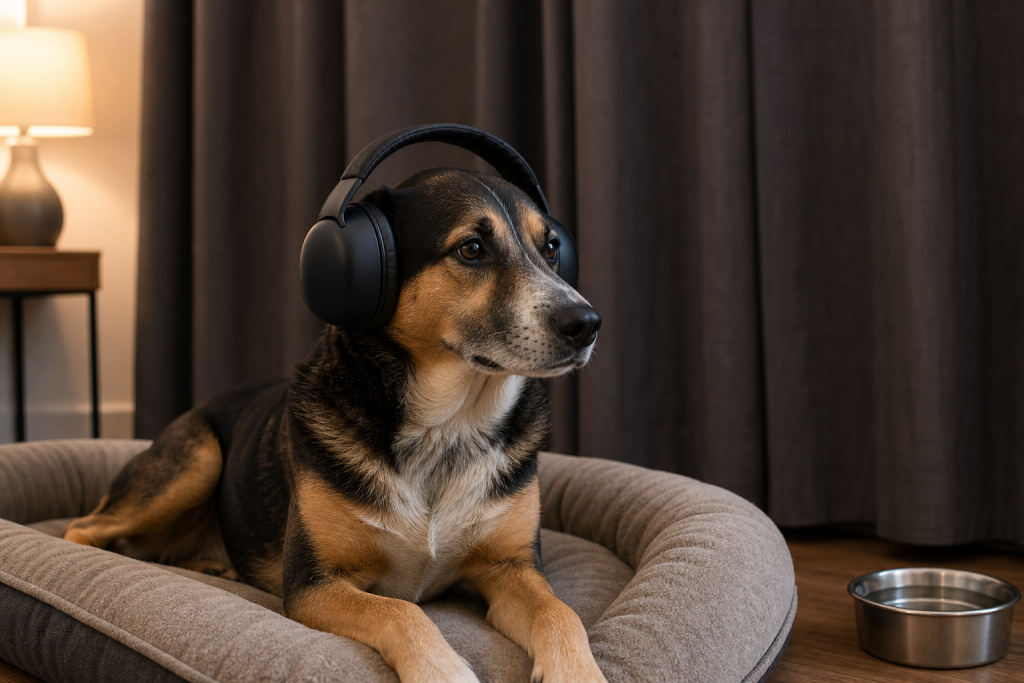
Dog ear protection can help muffle fireworks, thunder or grooming noise, but it is not a guaranteed calming fix. The deal is only useful if the earmuffs fit your dog’s head, seal around the ear area, stay on comfortably and are introduced before the loud event. If your dog already panics during fireworks, buy them as one part of a plan, not as a last-minute cure.
Why this matters now
Fireworks searches rise in late June, and many pet owners start buying calming gear right before July 4. That timing is risky because ear protection needs sizing, shipping time and a short training period. AKC’s 2026 fireworks guidance says dogs may react to noise, light and smell, and recommends keeping dogs indoors, using white noise, checking ID and talking to a veterinarian when anxiety is severe.
Dog earmuffs also sit in a confusing shopping category. Some listings look like cute accessories, some promise noise reduction, and some are closer to soft hoods than real hearing protection. The question before checkout is not “are they on sale?” It is whether the product can actually sit where it needs to sit on your dog.
The fit checks to make before you buy
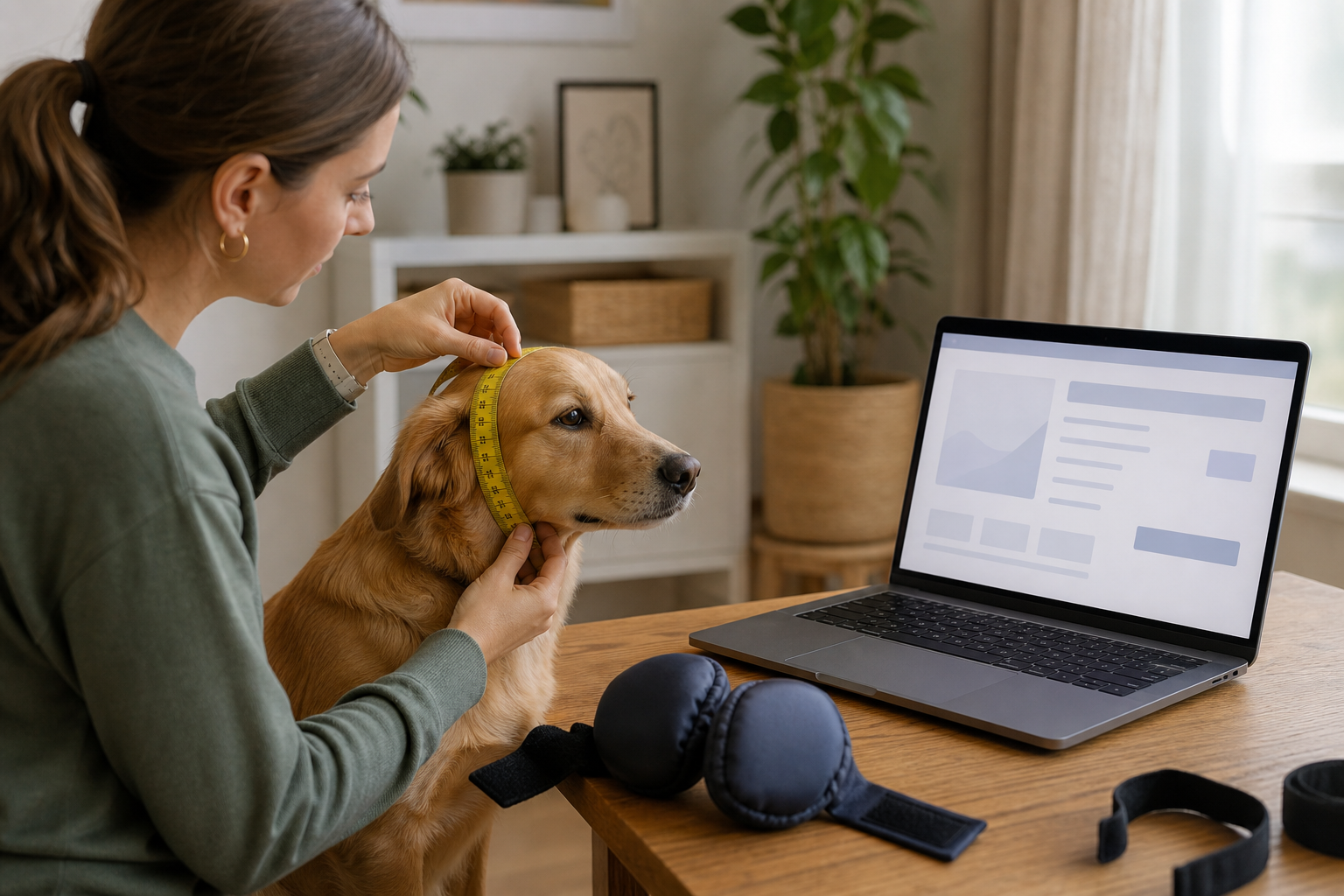
Start with the manufacturer’s size chart, then measure your dog’s head and neck exactly where the product will sit. A Bulldog, a sighthound and a Papillon do not need the same shape. AKC notes that if dog earmuffs do not fit correctly, they will not reduce noise well.
- Seal: The cup or padded area needs contact around the ear area. A loose fashion-style band may slide around without muffling much sound.
- Weight: Small dogs may reject bulky cups even if the chart says the size is correct.
- Straps: Look for adjustable straps that keep the gear stable without pressing the throat, eyes or jaw.
- Head shape: Long, narrow, broad or very flat-faced dogs may need different designs.
- Training time: Do not first put them on during fireworks. Introduce them in short, calm sessions with treats.
If the product page does not show clear measurements, return terms and how the product should sit on a real dog, the discount is doing too much work.
What the noise-reduction claim really means
Dog earmuffs reduce sound. They do not make fireworks disappear, and they do not stop vibration, flashes or the smell of fireworks. AKC’s dog-earmuff guide says many dogs with noise sensitivity still need behavior modification, because dogs can react to more than sound alone.
That distinction matters at checkout. A product that advertises a decibel reduction may be useful for a dog who tolerates head gear and needs the edge taken off noise. It may be a waste for a dog who paws off anything on the head, freezes in gear or panics before the fireworks even start.
The deal and coupon checks
Before paying, compare the sale price with the total risk of getting the wrong size. Dog earmuffs are fit-dependent, so a cheap final-sale listing can be worse than a full-price option with easier returns.
- Check whether the seller accepts opened or tried-on pet accessories.
- Save the size chart and order confirmation in case the fit is wrong.
- Look for return shipping costs, restocking fees and marketplace seller rules.
- Avoid buying two sizes unless you know how returns work.
- Do not count a coupon as savings if it forces you into a bundle with calming chews or accessories you would not otherwise buy.
Retailer terms vary. Chewy says eligible returns can be made within 365 days with free return shipping, while Petco describes a 60-day return window and PetSmart says many online returns require original packaging and may deduct mail-return shipping. Always check the current policy on the exact product page before relying on a deal.

What to avoid
Avoid any product that implies it will cure noise anxiety by itself. Cornell’s veterinary guidance says pets can panic during fireworks or thunderstorms and may injure themselves or others while trying to hide. For severe fear, plan ahead with your veterinarian rather than relying on gear bought the same day.
- Do not strap ear protection on tightly to force compliance.
- Do not leave a dog unsupervised in new head gear.
- Do not use earmuffs as a reason to take your dog to a fireworks display.
- Do not skip ID tags and microchip updates because you bought calming gear.
- Do not buy from a listing that shows no real sizing, materials or return information.
ASPCA and veterinary groups consistently recommend keeping pets indoors, moving them to a quiet interior space and using soft music, television or a fan to help mask noise. Ear protection can fit into that setup, but it should not replace the setup.
A smarter July noise setup
If you decide the earmuffs are worth trying, make the purchase early enough for practice. Let your dog sniff them, reward calm interest, touch them briefly to the head, then build to short wearing sessions. Stop if your dog shows strong stress, tries to scrape them off repeatedly or seems more frightened with the gear on.
For the actual fireworks period, keep your dog inside before dusk, close curtains, run white noise, offer a safe hiding spot and make sure collars, tags and microchip details are current. If your dog has a history of severe fear, call your veterinarian before the event, not during it.
FAQ
Do dog earmuffs work for fireworks?
They can help some dogs by muffling sound, especially if the fit is good and the dog has practiced wearing them. They will not block every trigger, and they are not a stand-alone treatment for severe noise fear.
Are soft snoods the same as noise-reduction earmuffs?
No. A soft hood may comfort some dogs or cover the ears lightly, but it usually is not the same as a padded, cup-style product designed for measurable noise reduction.
Should I buy them on the day of fireworks?
Only if you are comfortable with a low chance of success. Most dogs need time to accept new head gear, and sizing mistakes are common.
Can cats use dog earmuffs?
Most cat owners are better off focusing on an indoor hiding space, quiet music and closed doors or curtains. ASPCA notes that frightened cats often hide, and forcing head gear on a cat may add stress.
Sources
Last checked: June 22, 2026, 10:33 Europe/Rome.
- American Kennel Club, How to Keep Your Dog Calm During Fireworks, updated June 10, 2026.
- American Kennel Club, Ear Muffs for Dogs: When and Why Your Dog Might Need Them, updated September 30, 2025.
- ASPCA, Managing Pet Anxiety During Fourth of July Fireworks and Other Festivities, June 26, 2025.
- Cornell University College of Veterinary Medicine, Fireworks fears? Tips to protect your pets.
- Oregon Veterinary Medical Association, Fourth of July Safety for Pets & Horses.
- Chewy, return policy; Petco, return policy; PetSmart, return policy.