
#dog backpack
#dog hiking gear
#pet deals
#summer pet supplies
A discounted dog backpack is only a good deal if it fits your dog, stays balanced and does not tempt you to add too much trail weight. The mistake is buying by body weight or pocket count alone, then discovering on the trail that the pack rubs, slides, overheats your dog or cannot be returned after a test walk. Before checkout, measure the chest, check the pack’s empty weight, plan a very light first load and confirm the seller’s return rules.
Why this matters now
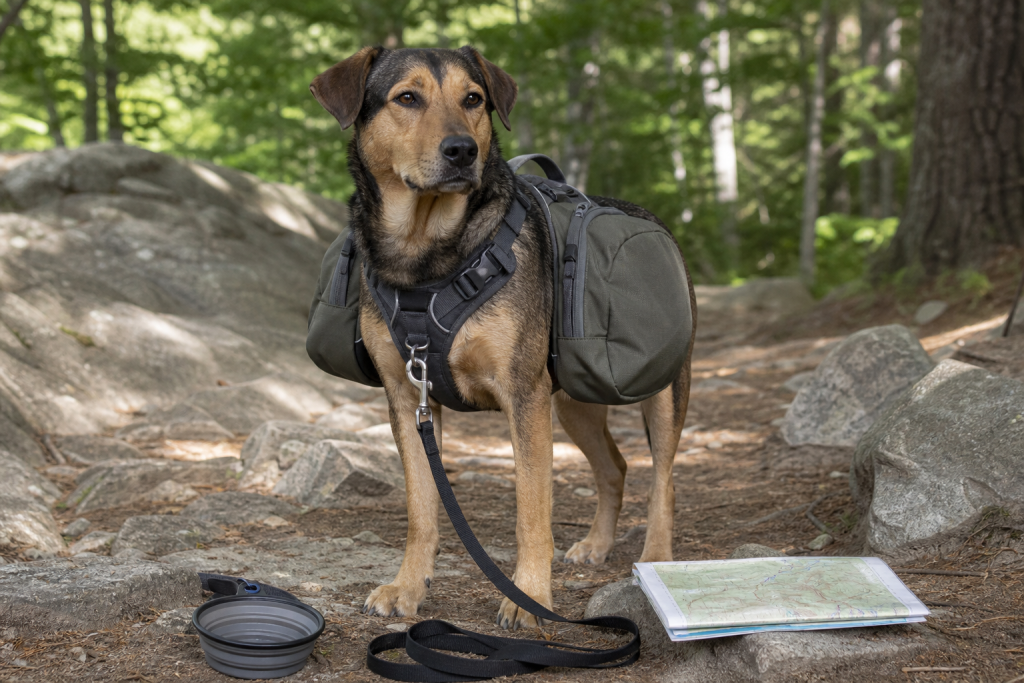
Summer hiking, road trips and Prime Day-style pet deals make dog packs look useful: your dog can carry waste bags, a collapsible bowl or a little trail gear, and you can keep supplies organized. Current deal coverage is also pushing dog apparel, walking gear and outdoor pet supplies, which means shoppers may see more backpacks, harness packs and saddle bags in sale feeds.
The catch is that a dog backpack is not just a cute accessory. It sits over the shoulders and ribs, shifts with every step and adds work in heat, hills and rough footing. REI’s hiking-with-dogs guidance says fit, even loading and gradual training are key, and it also tells owners to check with a veterinarian because age, size and strength change how much a dog should carry.
The checkout mistake: buying the biggest pockets
Large pockets can make a pack look like better value, but capacity is not the same as comfort. A deep saddle bag can hang low, bounce against the elbows or pull the pack to one side if the load is uneven. A dog that is comfortable in a regular harness may still dislike a pack once the sides are filled.
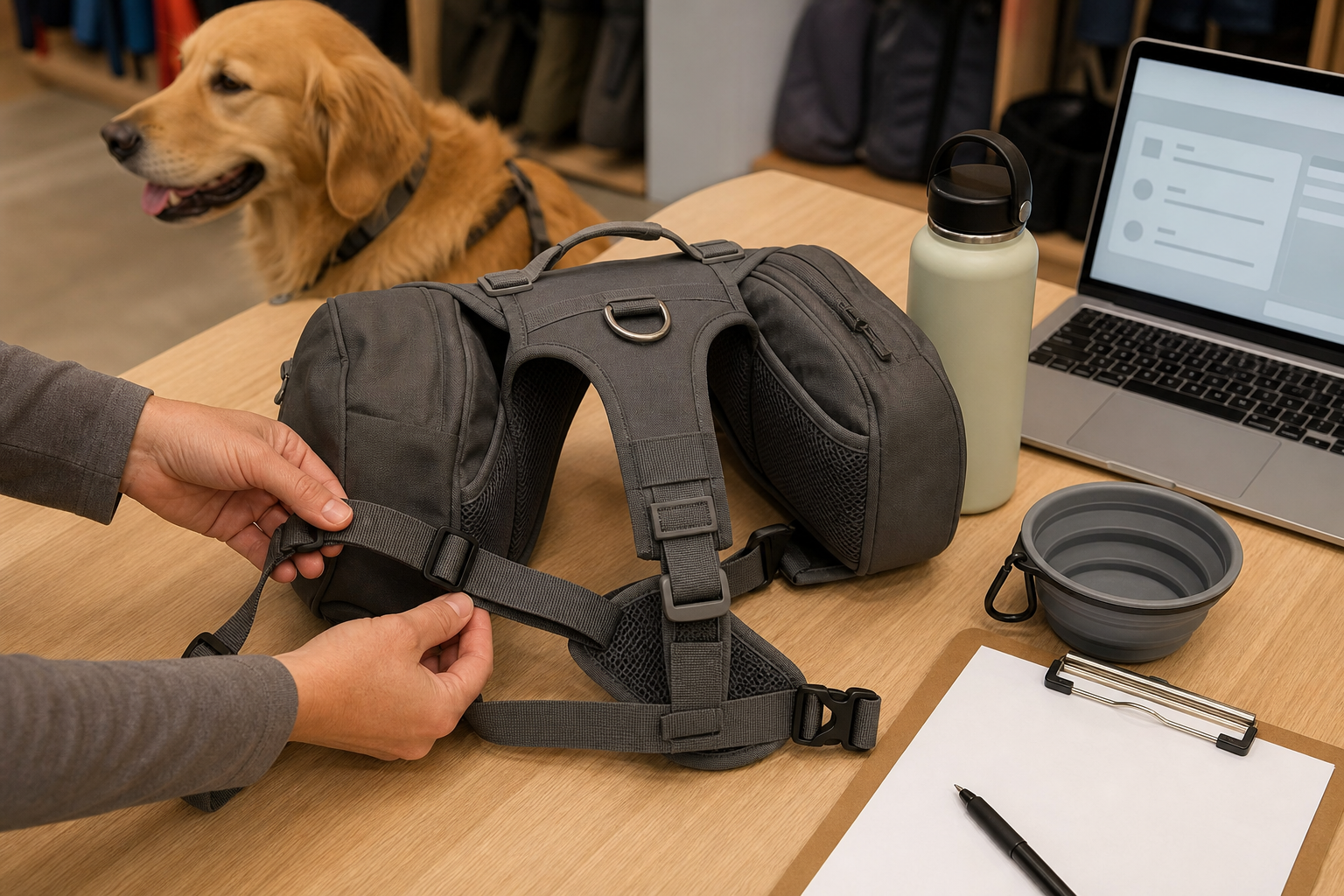
Before you buy, check the sizing chart against your dog’s chest circumference, not just breed or weight. Look for adjustable chest and belly straps, padding where the pack contacts the body, a stable top handle and pockets that sit high enough to avoid the legs. If the listing does not show where to measure or how the pack should sit, treat that as a reason to pause.
What to check before paying
- Chest measurement: measure around the widest part of the rib cage and compare it with the seller’s size chart.
- Empty pack weight: a heavy pack uses up part of the load before you add water, food or bags.
- Balanced pockets: the left and right sides should be similar in size and easy to load evenly.
- Harness function: decide whether the pack can safely replace your walking harness or should be used with separate gear.
- Heat and ventilation: avoid thick, non-breathable panels if you hike in warm weather.
- Cleaning: mud, burrs and spilled water can make a bargain pack unpleasant fast.
- Return terms: confirm whether the retailer accepts returns after a gentle indoor fit check, and do not assume trail-used gear is returnable.
How much should your dog carry?
There is no single safe number for every dog. REI gives 25 percent of body weight as a rough upper guideline but notes that age, size and strength can move that number down, and it recommends asking your vet. For a deal-shopping decision, the safer assumption is simple: buy a pack for organization first, not for making your dog carry a heavy load.
Start with the pack empty at home. Then use short walks, add a small amount of weight evenly on both sides and watch your dog’s movement. If the pack shifts, your dog changes gait, slows down, pants harder than expected or tries to rub it off, the deal is not working.
Deal and coupon checks
Do not let a sale badge decide the size. A marked-down small pack is not a deal for a broad-chested dog, and a discounted large pack can slide if your dog is between sizes. If you are comparing Amazon, Chewy, Petco, PetSmart or another retailer, verify the final cart price, shipping threshold, return window and whether any promo code excludes sale items or third-party sellers.
Also compare the full kit. Some packs include a leash attachment, handle, reflective trim or removable saddle bags. Others need a separate harness, bowl, water bottle or waste-bag holder. A cheaper pack can cost more if you have to add basic trail accessories separately.
What to avoid
Avoid packs with vague size ranges, tiny product photos, no strap-adjustment details or claims that suggest any healthy-looking dog can carry a loaded pack. Skip packs that put bulky pockets directly where the front legs swing. Be careful with very cheap hardware if your dog pulls, because a broken clip on a trail is not a small inconvenience.
Do not use a pack to push an unconditioned dog into a longer hike. Heat and dehydration risks rise in warm weather, and the CDC advises keeping pets cool, hydrated and out of dangerous heat. CAPC’s 2026 parasite forecasts also reinforce that outdoor dogs need tick and parasite prevention conversations with a veterinarian, especially when hikes move through grassy or wooded areas.
A better first-use plan
Try the pack indoors before removing tags. Adjust it over your dog’s regular standing posture, then ask the dog to walk, turn, sit and lie down. If it passes that check, use an empty pack on a short neighborhood walk. Add only light, soft items at first, such as waste bags or an empty collapsible bowl, and keep water and first-aid essentials with the human handler.
For puppies, senior dogs, dogs with joint disease, dogs recovering from injury, short-nosed breeds in heat or any dog with a medical condition, ask your veterinarian before adding trail weight. This article is buying guidance, not a fitness plan or veterinary clearance.
Quick answers
Is a dog backpack worth buying?
It can be worth buying if your dog hikes comfortably, the pack fits well and you use it for light, balanced supplies. It is not worth it if the dog dislikes the feel, overheats easily or needs the human to carry the essentials anyway.
Should a dog backpack replace a harness?
Only if the product is designed and fitted as a secure walking harness. Many shoppers are better off treating the backpack as storage and keeping a familiar leash setup unless the pack’s instructions clearly support leash attachment.
What should go in a dog backpack?
Start with light items: waste bags, an empty bowl, a small towel or a soft backup layer. Keep dense water bottles, first-aid gear and anything essential in your own pack unless your veterinarian and trail experience support a heavier dog load.
Sources
Sources last checked June 22, 2026, 07:34 Europe/Rome.