
#AI cat flap
#cat tech deals
#OnlyCat
#smart cat door
An AI cat flap can be useful if your cat keeps bringing mice, birds or other prey inside, but the deal is not just the door price. Before you buy, check whether the model needs a subscription, permanent power, Wi-Fi, a specific cutout size and an app account that will hold videos or activity data. The smartest checkout move is to treat prey detection as a convenience feature, not a guarantee that every messy surprise will be stopped.
Why this cat tech is suddenly worth a closer look
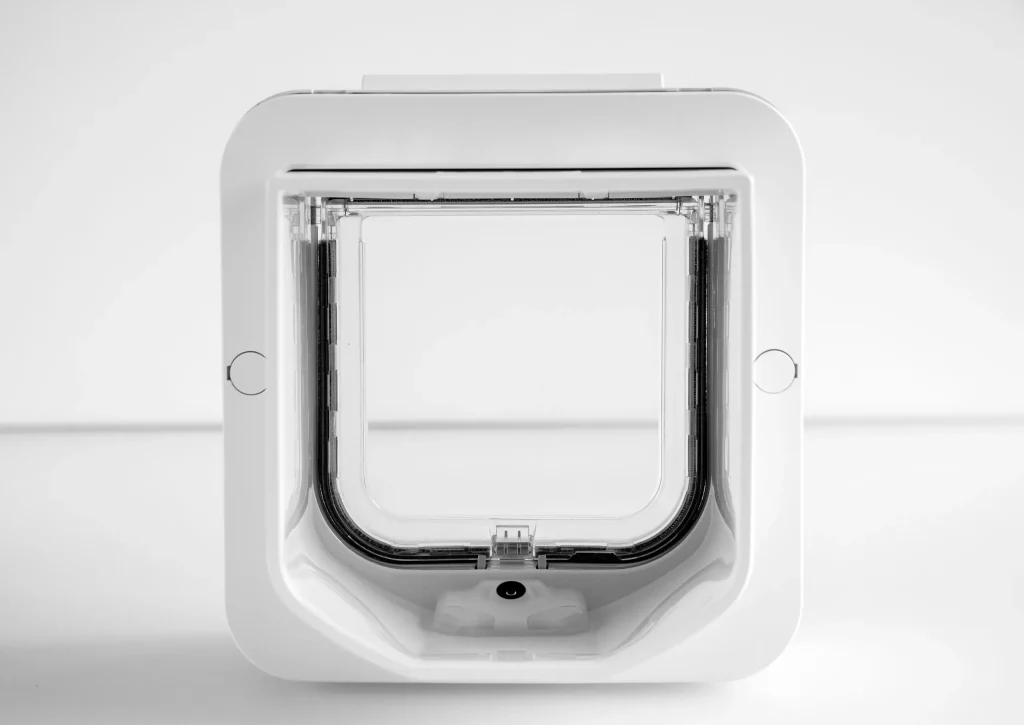
Smart pet doors are no longer only about reading a microchip. Newer cat flaps add cameras, app alerts, video timelines, custom curfews and AI prey detection, which makes them feel closer to a pet camera, door lock and access-control system in one purchase.
OnlyCat is a useful current example because its public product page describes a microchip cat flap with AI-powered prey detection, app control and video notifications. Its Google Play listing was updated on July 17, 2026, with improved Wi-Fi setup and an updated event video player, which shows that this category is still changing through firmware and app updates.
That matters for shoppers because a normal cat flap is a simple hardware purchase. An AI cat flap is a hardware, software, installation, privacy and support purchase. If any one of those pieces does not fit your home, the discount can disappear quickly.
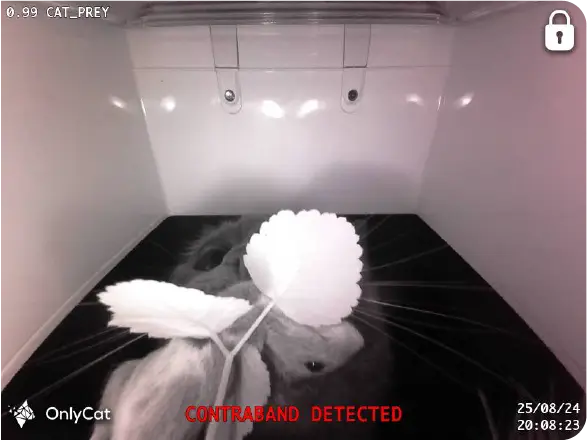
The checkout detail owners miss first
The first thing to verify is whether the advertised price is the lifetime version or the subscription version. OnlyCat says its upfront purchase does not require a subscription for core functionality for the lifetime of the product. It also says its subscription version uses the same hardware, but needs the subscription to function and can be upgraded later with a separate payment.
That is a real shopping fork. A lower upfront price may suit renters, short-term households or owners who are not sure their cat will adapt. A one-time payment may be cheaper over a longer period. The mistake is comparing only today’s cart total and ignoring the total cost across the period you expect to use the door.
Before paying, write down three numbers: the upfront price, the subscription cost if you choose that route, and the cost of any mounting accessories, adapters or professional installation. Then compare that total with a conventional microchip flap plus a separate indoor camera or curfew routine. The AI version may still win, but it should win on the full cost.
Measure the cutout before you fall for the feature list
A smart cat flap can be expensive to undo after installation. OnlyCat’s FAQ says the unit requires a 165 x 172 mm opening, or a 212 to 260 mm circular glass cutout, with a larger glass mounting accessory for some larger circular cuts. It also says the product is designed as a drop-in replacement for SureFlap DualScan Microchip Cat Flaps and keeps compatibility with certain SureFlap glass adapters and tunnel extenders.
That is useful, but it is not permission to assume it fits every door. Measure the existing opening, the depth of the door or wall, the height from the floor and the space your cat needs to enter without crouching awkwardly. If the door is metal, also check the microchip reading note in the FAQ, because metal near RFID coils can weaken the signal.
If you rent, do not buy first and negotiate later. Ask your landlord or property manager whether you can cut the door, replace a panel or route a power cable. For glass, get a quote before checkout because the fitting cost can be more painful than the accessory cost.
Power and Wi-Fi are not minor details
Battery-powered sounds convenient, but this particular product is not positioned that way. OnlyCat says the current design uses a low-voltage 9V, 2A supply through a USB Power Delivery adaptor of 20W or higher, with a 3.0 m cable. It also says there is a small backup battery for a failsafe shutdown after several minutes of power loss, plus an app option to lock or unlock before shutdown depending on your policy.
That means the buying question is not only “does it work?” It is “can I route power neatly and safely to the place where my cat enters?” A dangling cable near a doorway, a damp wall, a chew-prone pet or an outdoor plug can turn a clever device into a home-maintenance problem.
Wi-Fi deserves the same attention. OnlyCat says the full upfront version needs internet for setup and recommends it for updates, detection improvements and video push notifications, while the subscription version requires Wi-Fi so the unit can check for a valid subscription. If your back door has weak Wi-Fi, budget for a better router position or mesh node before assuming the app features will feel reliable.
Privacy check: this is a camera at floor level
Any app-connected camera near a pet entrance deserves a privacy check. OnlyCat’s app listings describe activity tracking, video highlights, notifications and personalised cat profiles. The Google Play listing also says the app may share personal info with third parties, may collect personal info, app activity and other data, uses encryption in transit and lets users request data deletion.
The company’s privacy policy says it may collect names, email addresses, billing details, application data, device data, location data and log or usage data depending on how someone uses the service. It also says personal information may be shared with categories of third-party service providers such as cloud computing, data analytics, data storage, payment processors, product engineering tools and website hosting providers.
That does not make the product unsafe by itself. It does mean shoppers should decide before buying whether they are comfortable with a camera-equipped, cloud-connected pet door creating clips of a doorway area. Put it where it sees only what it needs to see. Check account sharing rules if sitters, family members or housemates will use the app.
What to verify before paying
- Subscription status: confirm whether the cart contains the lifetime version or the subscription version, and what happens if a payment fails.
- Power route: confirm the outlet location, cable path, weather exposure and whether a pet can chew or snag the cable.
- Wi-Fi strength: test the signal at the exact door, not from the sofa.
- Microchip reading: confirm your cat’s chip can be read reliably, especially if the door or frame includes metal.
- Cat size: OnlyCat says it can only guarantee suitability up to 6 kg or 13 lbs, even though some larger cats may use it.
- Cutout size: compare the required opening with your existing flap, door panel, wall tunnel or glass cutout.
- Return terms: check the 30-day return language, restocking fee and shipping-cost responsibility before installation.
- Software support: look for recent app updates, firmware notes and support channels before choosing a lesser-known smart device.
Deal and coupon advice
Do not judge an AI cat flap deal by the headline discount alone. A coupon is useful only after you know which plan you are buying, whether accessories are included, whether your country is supported, and whether returns are still allowed after you test fit the device.
If a retailer, marketplace or social ad shows a lower price, compare it with the official product page and support terms. Confirm whether you are buying from the brand, an authorized seller or a marketplace reseller. For smart pet tech, a cheaper gray-market unit can be a bad trade if warranty support, app pairing or returns are unclear.
Also avoid paying extra for a bundle until you know what the basic package includes. Glass adapters, tunnel extenders and installation accessories can be worth buying, but only when they match the actual place the flap will be installed.
What to avoid
Avoid any listing that makes prey detection sound perfect, permanent or medically protective. OnlyCat states a high prey-prevention figure in its own FAQ, but that is a company claim, not a lab test from an independent pet-safety group. Treat it as a promise to verify with real owner reviews, return rights and your own setup.
Avoid installing first and reading the return policy second. Once a door, wall or glass panel is cut, your practical options shrink. Also avoid using an AI cat flap as the only plan for a cat that is frequently injured, fighting with outdoor animals or bringing in live prey. For health, wound or parasite concerns, ask your vet for advice.
Finally, avoid placing the camera where it records more of your home than needed. A floor-level doorway view can still capture people, voices, children, visitors or private household routines if the angle is careless.
Quick answers
Is an AI cat flap worth it?
It can be worth it for owners whose cats regularly bring prey indoors and who are comfortable with app-connected hardware. It is less compelling if your cat rarely hunts, your Wi-Fi is weak near the door or installation would require expensive glass or wall work.
Does prey detection replace a microchip cat flap?
No. The best version of this category combines access control with prey detection. The microchip side helps decide which cats can enter, while the camera and AI side tries to identify what the cat is carrying.
Should renters buy one?
Only after getting written permission and pricing the installation. A smart flap can be hard to move if it requires a custom cutout or a routed power cable.
What is the biggest hidden cost?
The biggest hidden cost is usually not one thing. It is the combination of subscription choice, fitting accessories, installation, Wi-Fi fixes and a possible return if your cat will not use the flap.
Sources
Sources last checked: August 1, 2026, 10:34 Europe/Rome.