
#pet poison app
#pet safety app
#pet shopping
#pet tech
#toxic plants
An AI pet poison scanner can be useful for pre-shopping checks, but it is not a substitute for a veterinarian or poison-control hotline when a dog or cat may have eaten something risky. The app is only as good as its database, image recognition, ingredient parsing and warning language. Before paying for one, check what it can identify, what it does with your data and whether it tells you clearly when to stop scanning and call for help.
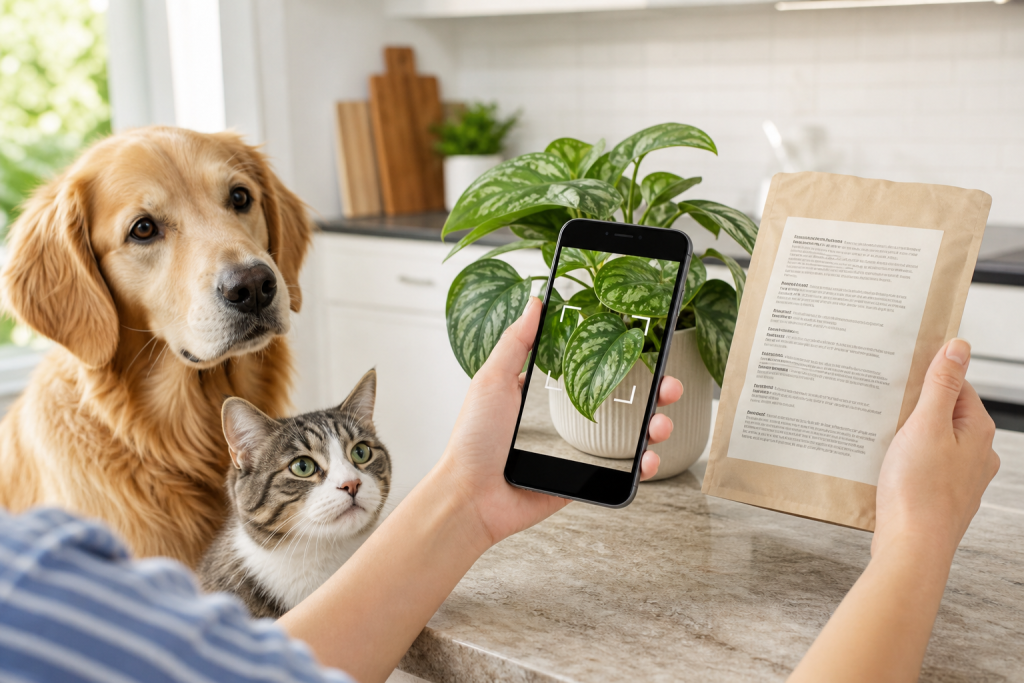
Pet owners are seeing more apps that promise to scan plants, foods, labels or household products for dog and cat safety. That matters now because summer travel, houseplants, cookouts, flea products, cleaning supplies and pet-sitting handoffs all create quick “is this safe?” moments. A scanner can help you slow down before buying a plant or treat, but it can also create false confidence if the app hides limits behind a clean-looking verdict.
Why this app category is tempting
The shopping pitch is easy to understand. Instead of searching several websites, you point a phone at a plant, food scrap, label or barcode and get a safety answer. Current app listings and websites advertise features such as plant scanning, food checks, product-label scanning, barcode lookup and dog-or-cat specific warnings.
That can be genuinely convenient before you buy a new houseplant, book a pet-friendly rental, stock a pet-sitter checklist or compare a treat with unfamiliar ingredients. The problem is that “scan” can sound more certain than it is. Lighting, packaging design, chopped ingredients, common plant names and regional product formulas can all make an app less reliable than the checkout page suggests.
The checkout checks that matter before you pay
Before subscribing to a pet poison scanner or plant-safety app, look for the boring details. They are more important than a flashy demo.
- Species settings: dogs and cats do not share every risk. The app should make species obvious before it gives a warning.
- Source transparency: check whether the app names reliable references, such as poison-control databases, veterinary input or official toxic plant lists.
- Emergency language: a safe app should tell users to contact a veterinarian, ASPCA Animal Poison Control or Pet Poison Helpline when exposure is possible. It should not act like a scanner result clears an emergency.
- Offline limits: if you travel, check whether the database works without signal or whether the scanner needs cloud access.
- Barcode and label limits: a barcode match does not prove the app understands every ingredient, seasoning, concentration or regional formula.
- Subscription terms: check trial length, renewal price, cancellation path and whether family sharing or multiple pets are included.
- Privacy terms: scanning plants, product labels and home photos can reveal location, household habits and purchase data. Read what is stored and shared.
What a good deal looks like
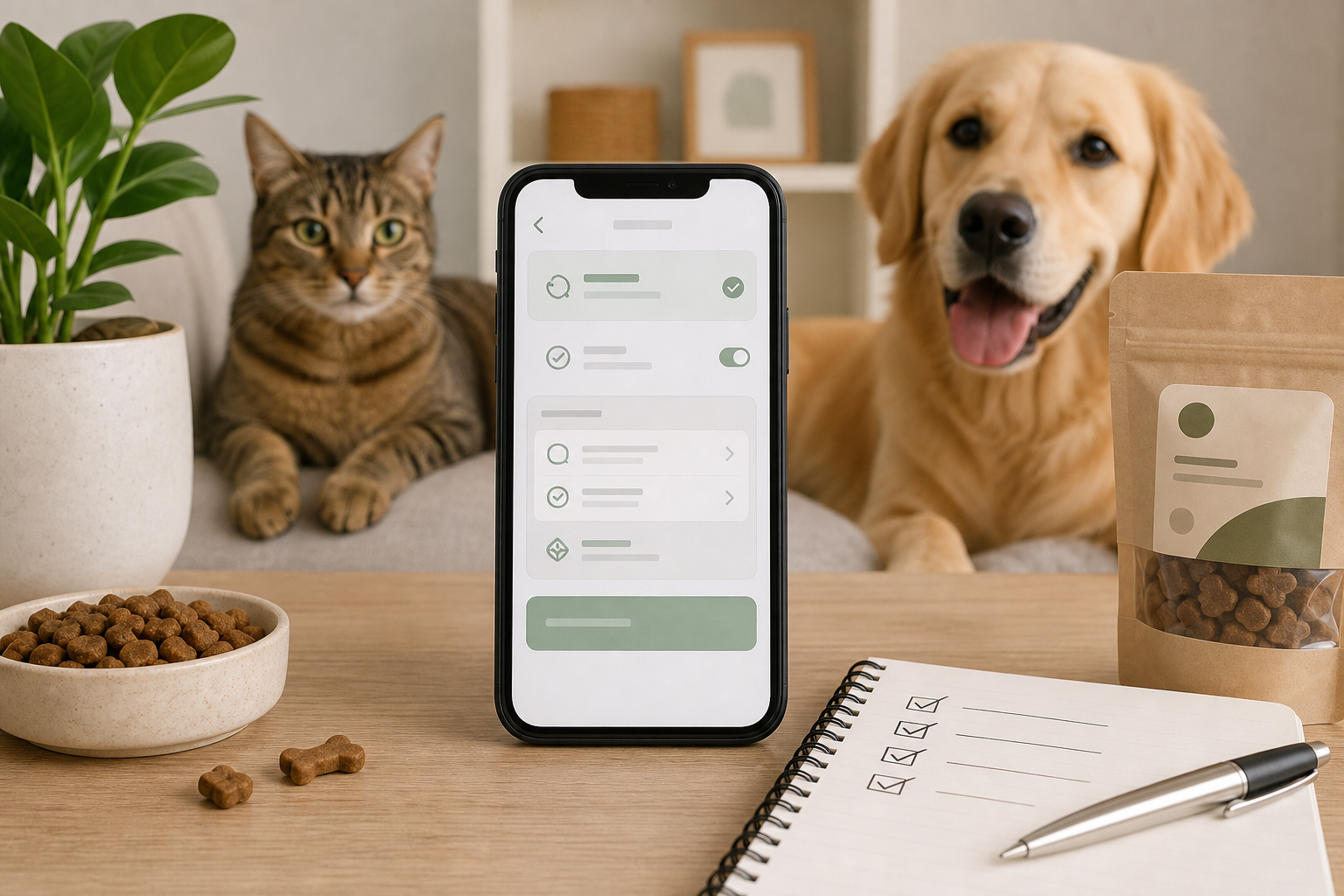
A discount is useful only if the app answers the situations you actually face. A cat owner with houseplants should care more about plant coverage and cat-specific warnings than barcode features for dog treats. A dog owner who camps or rents vacation homes may care more about offline lookup, photo history and fast access to emergency contacts.
Do not pay just because an app says “AI” or “vet-informed.” Look for plain evidence: named source material, clear species filters, recent update history, visible cancellation terms and an honest warning that the app is educational. If the app pushes an annual plan before showing what it covers, test the free version first or skip it.
Safety limits owners should not miss
The ASPCA maintains toxic and non-toxic plant information for dogs, cats and horses, and its poison-control page says owners should call if they think a pet may have ingested a poisonous substance. Pet Poison Helpline also emphasizes that suspected poisoning needs direct professional help, not home antidotes or guesswork. Those sources matter because a scanner app cannot examine your pet, confirm a dose or account for every health condition.
Be especially cautious with foods and plants that are known to cause serious concern in pets, including lilies for cats, sago palm, xylitol, grapes or raisins, chocolate, human medications and concentrated cleaning products. A scanner may help identify a name, but it should not be your final decision-maker after exposure.
When the cheaper option is better
For many owners, a paid scanner is optional. A saved bookmark folder with ASPCA toxic plant lists, Pet Poison Helpline’s poison list, your veterinarian’s number, your nearest emergency clinic and your pet’s medications may be more reliable than a subscription you forget to open.
The app starts to make more sense if you routinely buy plants, travel with pets, share care with sitters or want a quick pre-check before bringing new products into the house. Even then, treat it as a shopping screen and reference tool, not as an emergency plan.
What to avoid
- Apps that give a simple green check without showing species, source or uncertainty.
- Apps that imply they can diagnose poisoning from a photo.
- Subscriptions that hide renewal price until after a trial starts.
- Scanner apps that do not explain how photos, labels and pet profiles are stored.
- Using an app result to delay a call after a possible ingestion.
Quick answers
Are AI pet poison scanner apps worth paying for?
Sometimes, but only as a prevention and shopping tool. They are most useful before you buy plants, treats or household products, not after a suspected poisoning.
Can a scanner tell me my pet is safe?
No. It may identify a possible risk, but it cannot confirm dose, symptoms, timing or your pet’s medical status. Call your veterinarian or a poison-control hotline if exposure may have happened.
What should I check before subscribing?
Check species coverage, source transparency, update history, privacy terms, cancellation terms and whether emergency guidance is prominent.
Is a free toxic plant list enough?
For many owners, yes. Official plant and poison lists plus saved emergency contacts may be enough unless you want camera scanning or barcode convenience.
Sources
Sources last checked: July 10, 2026, 01:35 Europe/Rome.
- ASPCA, Toxic and Non-Toxic Plants.
- ASPCA, Animal Poison Control Center.
- Pet Poison Helpline, 24/7 Animal Poison Control Center and Common Poison List.
- FDA, Paws Off Xylitol; It’s Dangerous for Dogs.
- Current app-claim examples checked for shopper context, not endorsement: ToxiPets website, Google Play listing and Apple App Store listing.