
#blue-green algae
#dog water bottle
#summer pet safety
#travel water bowl
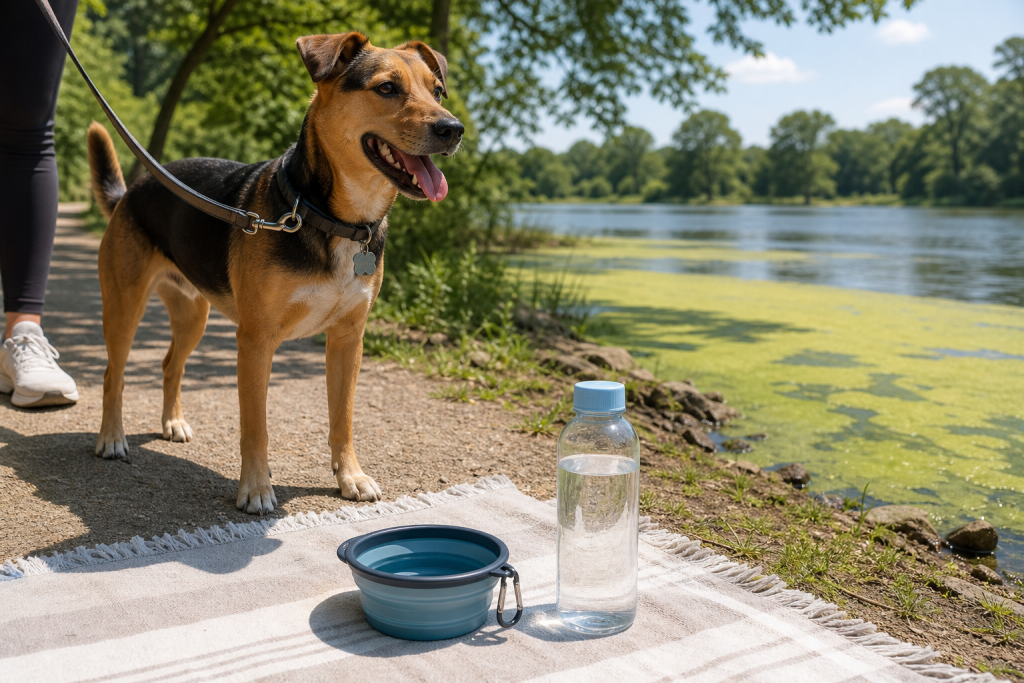
A travel bowl or filtered pet bottle is useful only if you fill it with safe water before the walk. It should not be treated as a fix for pond, lake or river water that looks green, foamy, paint-like or smells bad. Blue-green algae, also called cyanobacteria, can be dangerous to dogs, and checkout claims about convenience do not replace checking the water before your pet drinks or swims.
This matters more during hot summer weather because harmful algal blooms are more likely in warm, slow-moving water. ASPCA, CDC, EPA and AVMA guidance all point to the same practical rule for shoppers: buy gear that helps you avoid questionable water, not gear that tempts you to use it.
Why this is a summer shopping problem
Portable bowls, dog water bottles, bottle-top dispensers and hiking filters are popular summer add-ons because they look cheap compared with a vet visit or a ruined day out. The problem is that the product page usually talks about leakproof seals, capacity and one-hand use. It may not explain what the bottle can and cannot make safe.
The CDC says harmful algal blooms can be deadly for pets and livestock, and animals can get sick after swallowing toxins made by harmful algae. The EPA warns dog owners not to let a dog drink or swim in water that is slimy, foamy, scummy, oddly colored or smells bad. The buying lesson is simple: the safest travel-water setup starts with clean water you bring from home or another safe source.
The checkout mistake: buying the bowl but not the water plan
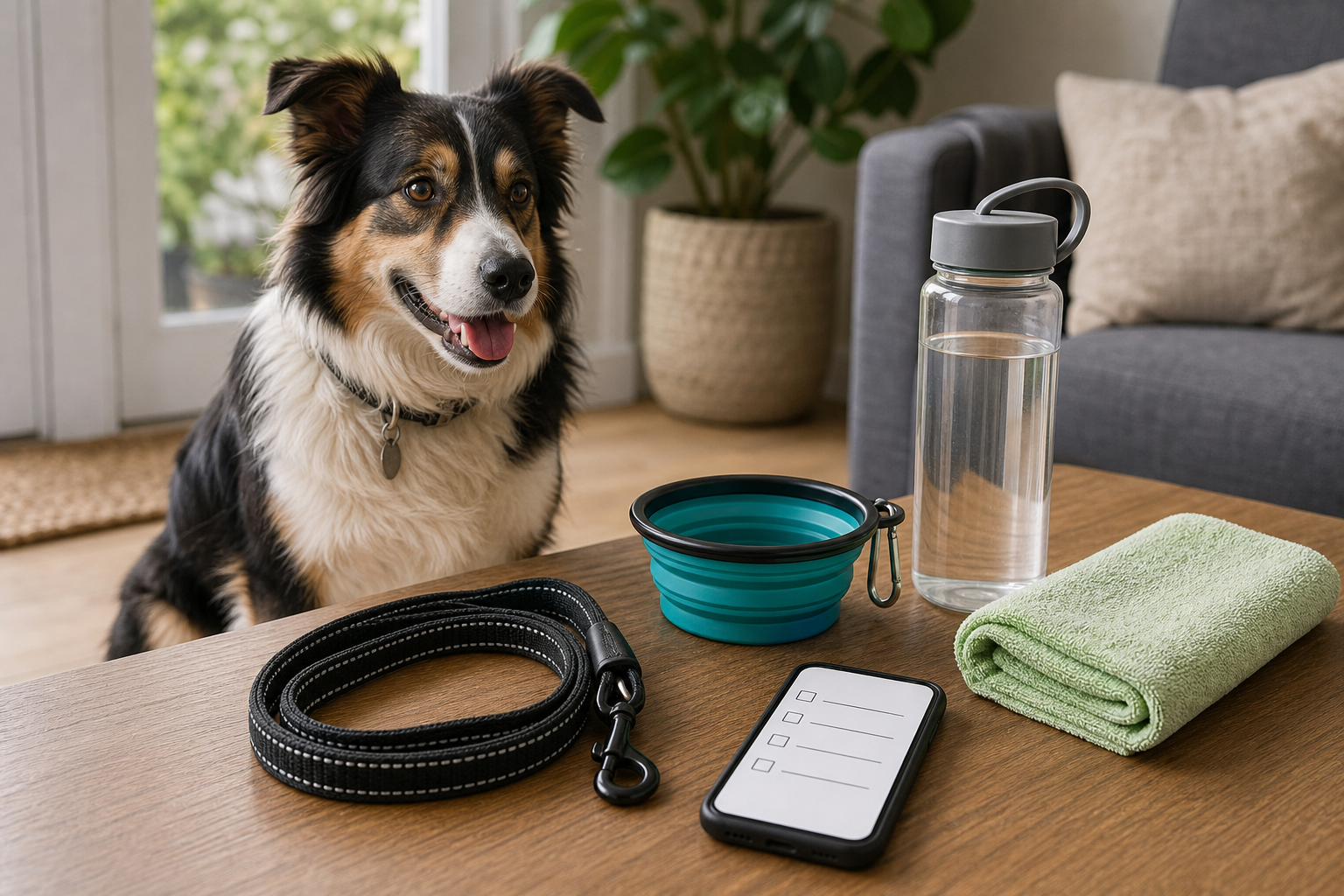
A collapsible bowl can be a good deal if it is easy to clean, stable on uneven ground and large enough for your dog to drink without splashing half the bottle onto dirt. It is a bad deal if you only buy the bowl and assume you can top it up from whatever lake, pond or creek is nearby.
Before paying, check these details:
- Capacity: a tiny bottle may work for a short errand, but summer walks, hikes and traffic delays can need more clean water than the product photo implies.
- Refill source: plan where safe tap, bottled or known potable water will come from. Do not make natural water your backup plan during a bloom risk.
- Cleaning: choose smooth, washable parts. Hinges, silicone folds and narrow drinking troughs can hold slime if they are hard to scrub.
- Leak control: a bottle that leaks in the car may leave you short of clean water when you reach the trail.
- Hands-free claims: convenience is useful, but your dog still needs supervision around shorelines, puddles and algae mats.
Do not overtrust filter language
Some outdoor bottles and portable filters are designed for camping or human travel. That does not automatically mean they remove cyanotoxins from suspect water. Public health guidance is cautious here: Idaho DEQ says boiling does not remove cyanotoxins and most portable drinking-water filtration products used for backpacking are not effective at removing them. New York environmental guidance similarly warns that boiling, disinfecting, UV and filtration units do not protect people from HAB toxins in surface water.
For a pet-shopping article, that means you should be skeptical of vague words such as “fresh,” “clean,” “purified” or “outdoor safe” unless the manufacturer clearly states what the filter is certified to remove. Even then, a lake with a possible bloom is not the place to test a deal. Bring water your dog can drink without needing a rescue plan.
What to verify before a lake, park or camping trip
Check local advisories before you pack, especially if you are heading to a reservoir, pond, lake, river beach or campsite where dogs swim. Some bloom warnings are posted by state or local agencies, parks, water-quality programs or health departments. If there is an active warning, a suspicious color, surface scum or a bad smell, skip the water access for your dog even if other owners are letting their pets near it.
Pack a simple kit rather than one overcomplicated gadget:
- enough clean water for the drive, walk and delay time;
- a washable bowl or bottle your dog already accepts;
- a towel for wiping paws and fur if your dog gets near questionable water;
- waste bags, leash control and a backup route away from shorelines;
- your veterinarian’s contact details and a poison-control number saved on your phone.
Deal and coupon checks that actually matter
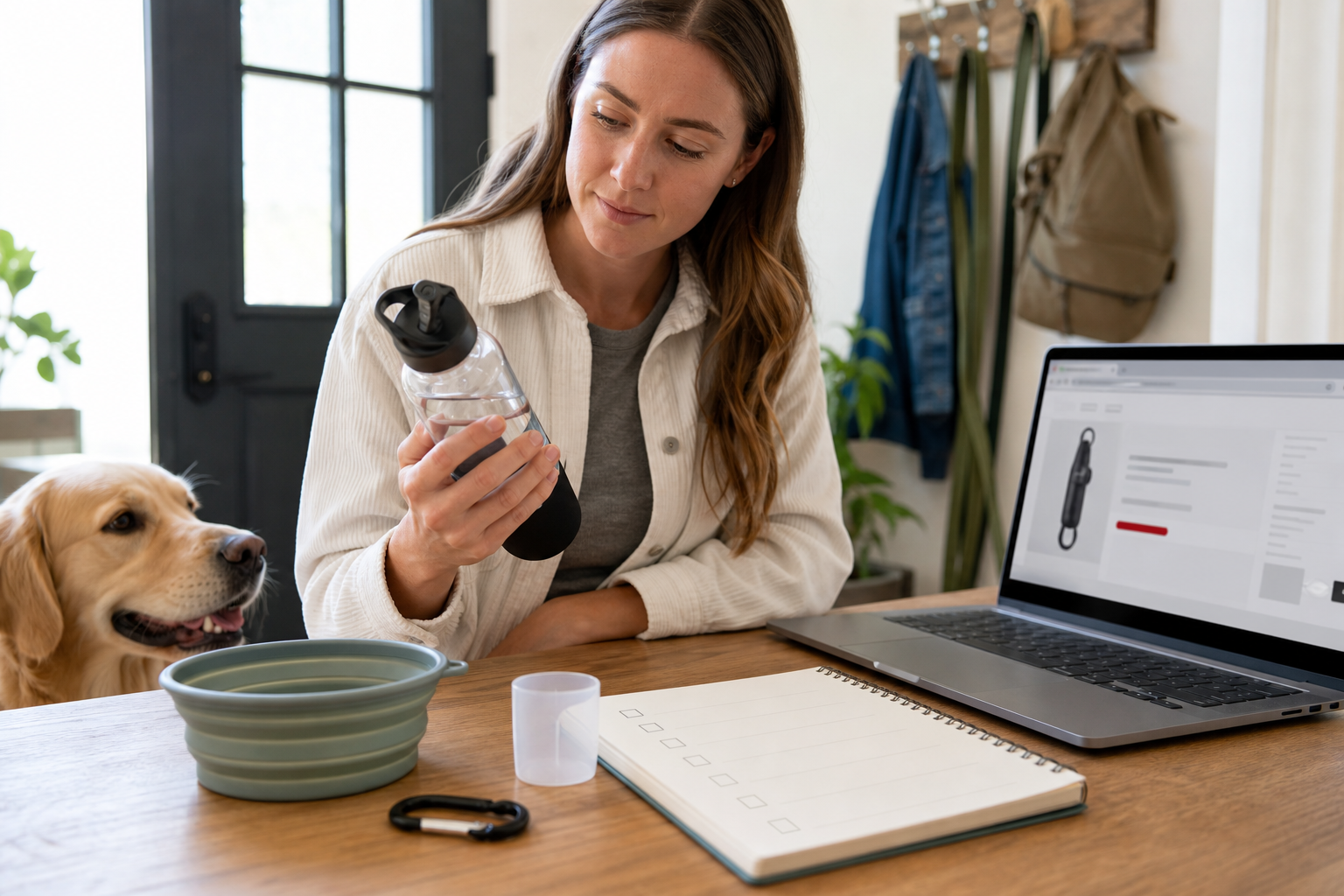
A discount is useful when it lowers the cost of a bowl or bottle you will carry every time. It is less useful when it pushes you toward a fragile novelty bottle, a tiny capacity or a filter claim you have not verified.
Before using a coupon or adding a travel-water product to an autoship or free-shipping cart, check the final unit price, return window, replacement seals, dishwasher guidance and whether the item has a simple shape you can clean. If the item includes a filter, check the replacement-filter cost and the exact contaminant claims. Do not buy a filter because it makes a lake trip feel safer. Buy water gear because it helps you avoid lake water altogether.
What to avoid
- Letting a dog drink from green, foamy, scummy, paint-like, stagnant or foul-smelling water.
- Assuming a clear patch of the same lake is safe when a bloom is visible nearby.
- Boiling suspect surface water for your dog during a bloom risk.
- Trusting a cheap outdoor filter without a clear cyanotoxin claim and independent standard.
- Letting your dog lick wet fur before you can rinse or wipe them with clean water.
- Choosing a water bottle so small that you run out and feel tempted to refill from a pond.
Quick answers
Can a dog water bottle make lake water safe?
Not by default. Most dog water bottles are dispensing products, not treatment systems. If the water looks or smells suspicious, keep your dog away and use clean water you brought with you.
Is blue-green algae only a dog issue?
No. ASPCA and CDC guidance notes that harmful algal blooms can affect pets, livestock, wildlife and people. Dogs are a major shopping concern because they often swim, drink from shorelines and lick water from their fur.
Should I ask my vet before a trip?
Ask your veterinarian if your dog has health risks, is very young or old, has trouble with heat, or you are planning a high-exposure trip around lakes or ponds. If you suspect exposure to harmful algae, contact a veterinarian or animal poison-control service promptly.
Sources
Sources last checked: July 10, 2026, 04:34 Europe/Rome.
- ASPCA, Blue-Green Algae Toxicosis: What You Need to Know to Keep Your Pet Safe
- CDC, Preventing Pet and Livestock Illnesses Caused by Harmful Algal Blooms
- CDC, Preventing Illnesses Caused by Harmful Algal Blooms
- U.S. EPA, How to Protect Your Pooch
- AVMA, Harmful algal blooms (HABs)
- Idaho DEQ, Cyanobacteria Harmful Algal Blooms
- New York State DEC, Harmful Algal Blooms