
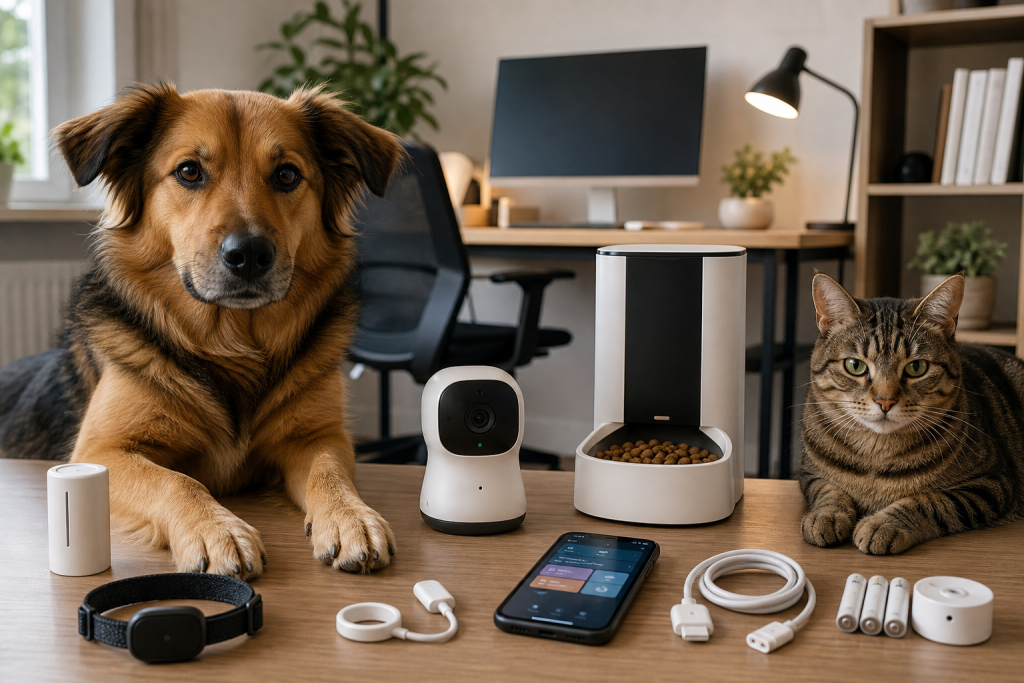
#AI pet robot
#cat enrichment
#Dog enrichment
#pet camera
#pet tech
An AI pet robot is tempting if your dog or cat gets bored when you are away, but the deal can fall apart if the product is still in preorder mode, hides useful features behind an app, records more than you expected or uses play tools your pet should not have unsupervised. Treat these robots like connected cameras and moving toys first, not as a substitute sitter or behavior fix. Before paying, check what actually ships now, what needs cloud service, how returns work and whether a simpler enrichment setup would solve the same problem for less.
Pet tech has moved beyond fixed cameras and automatic feeders. CES 2026 brought a new wave of AI companion robots for pets, including devices pitched as mobile playmates, pet cameramen, emotional interpreters and treat or laser-equipped companions. That makes the category interesting, but also risky for shoppers because the marketing is often clearer than the real ownership costs.
Why this matters now
Tuya Smart officially unveiled Aura at CES 2026 as an AI-powered pet companion robot designed for pets. Coverage from the show also highlighted Vex, a small robot concept meant to follow pets and record video, with pricing and final availability still unclear at the time of reporting. That is exactly the moment when shoppers should slow down, because early pet-tech products can change between demo, preorder and retail launch.
The buying problem is not whether pet owners want help keeping pets engaged. Many do. The question is whether a rolling AI robot is the right tool for your home, your pet’s temperament and your budget. A camera that moves around the floor, uses AI recognition, stores clips or dispenses treats is also a privacy device, a battery device, a moving toy and sometimes a subscription product.
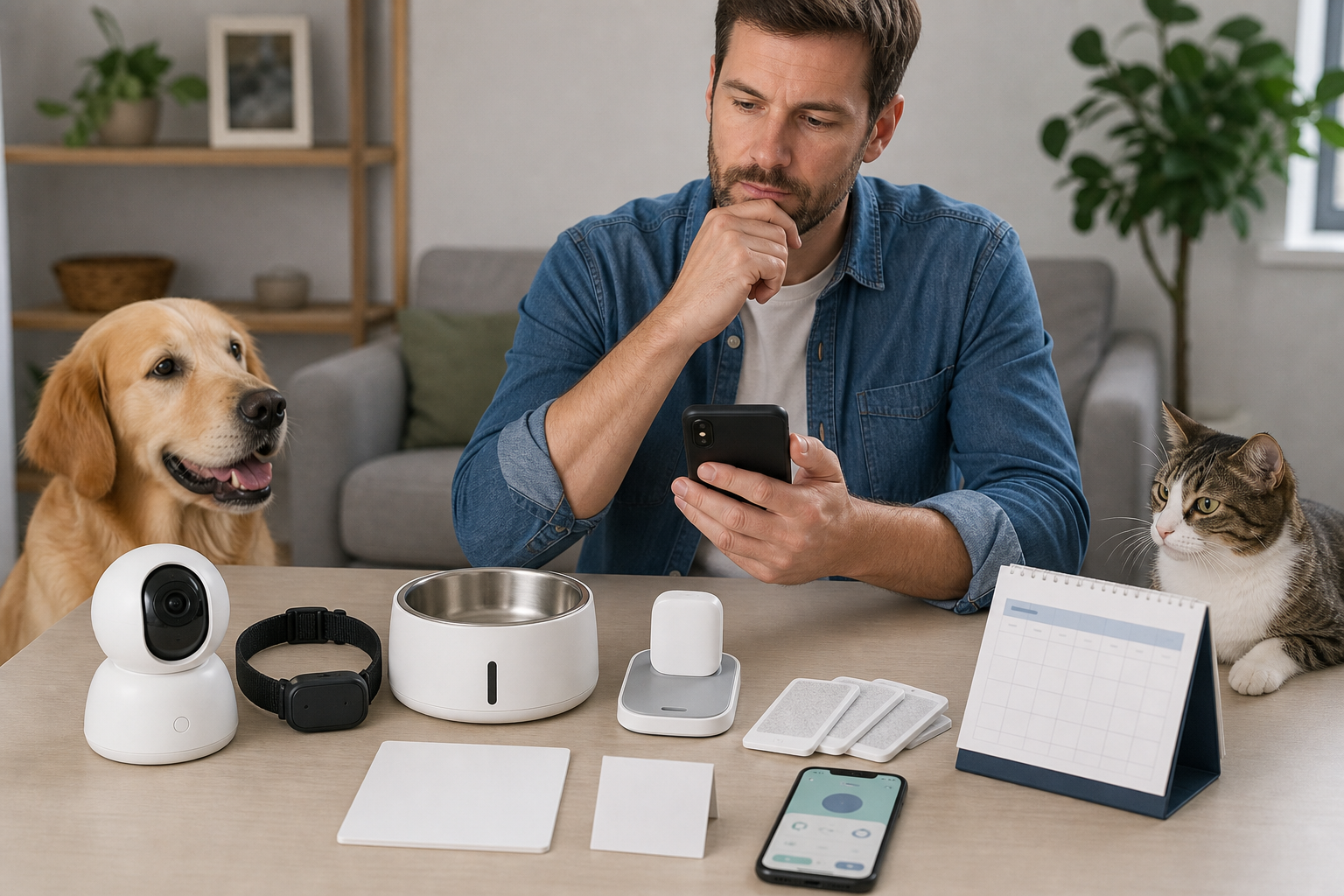
The checkout checks that matter most
Confirm whether it is available now. Do not treat a CES demo, waitlist or preorder page like a finished pet product. Look for a real ship date, cancellation terms, warranty start date and who pays return shipping if the product is delayed or does not work in your home.
Read the feature split between hardware and cloud. If the robot follows your pet, recognizes behavior, saves video or creates highlight clips, ask which features work locally and which need a subscription. A low device price is not a deal if the feature you want requires a monthly plan.
Check the app and software support promise. The FTC has warned that many smart-product sellers do not clearly disclose how long software updates will continue. For pet robots, that matters because app support, security patches and cloud service can decide whether the device keeps working.
Check the camera and microphone settings before setup. A pet robot may capture pets, rooms, children, guests, voice audio and routines. The FTC’s consumer guidance for internet-connected devices recommends using security features, keeping apps and firmware updated and understanding device privacy settings.
Measure your home, not just the robot. A moving robot can get stuck under furniture, scare a noise-sensitive pet, bump into water bowls or struggle on rugs and thresholds. If your dog guards toys, chases wheels or chews electronics, unsupervised use is a poor first test.
The deal section: what to verify before paying
If a retailer promotes an AI pet robot as an early deal, compare the total first-year cost, not only the checkout price. Add the device, subscription, replacement parts, treats or compatible capsules, shipping, return fees and extended warranty. If the listing says “AI” but does not explain what is processed on-device, what is uploaded or what disappears without a plan, assume you need more detail before buying.
For preorders, save the product page, warranty page and cancellation terms when you order. Early campaigns can change specs, app requirements or delivery windows. A good deal should still make sense if the product arrives late, if the first app version is limited or if your pet refuses to interact with it.
Safety and pet-comfort checks
An AI pet robot should not be your first answer to separation anxiety, destructive behavior or sudden changes in how your pet acts when alone. Texas A&M’s veterinary guidance describes separation anxiety as a stress problem that can show up as vocalizing, accidents, chewing, scratching, drooling, pacing or escape attempts. If those signs are new, intense or worsening, talk with your veterinarian or a qualified behavior professional.
For ordinary boredom, start with lower-risk enrichment too. RSPCA guidance includes simple scent, foraging and puzzle-style activities for cats and dogs, including DIY options that can keep pets occupied when home alone. A $20 puzzle feeder or rotation of safe toys may be a better first purchase than a moving AI device.
Be especially cautious with laser features. Laser play can be useful for some cats when handled carefully, but pets should not have laser light pointed at their eyes, and play should not push them into unsafe jumps or obsessive chasing. If a robot uses a laser automatically, check whether you can disable it, limit sessions and supervise the first uses.
When an AI pet robot may make sense
It can be reasonable if you mainly want remote check-ins, your pet is comfortable around moving devices, the robot has clear privacy controls, the return window is fair and the core features work without a surprise plan. It may also be useful for owners who already know a standard pet camera is too limited because their pet moves between rooms.
It is a weaker buy if the product is still mostly a demo, the company has no clear support history, the app ratings are poor, the battery life is vague, replacement parts are unavailable or the marketing promises to understand your pet’s emotions without explaining the limits. No gadget can diagnose anxiety, guarantee happiness or replace exercise, training, veterinary care and human attention.
What to avoid
- A preorder with no firm cancellation and refund language.
- A robot that requires cloud service for basic movement, camera access or saved clips without clear plan pricing.
- Automatic laser or treat features you cannot disable or schedule safely.
- Listings that show cute demos but no warranty, replacement-part or firmware-support information.
- Any claim that the device can treat separation anxiety or read a pet’s emotions with medical certainty.
Quick answers
Are AI pet robots worth buying right now?
For most shoppers, they are worth watching more than rushing into. Buy only if the product is shipping, the return terms are clear and the features you need do not depend on vague future updates.
Is a pet robot better than a pet camera?
Only if movement adds real value in your home. A fixed camera may be cheaper, quieter, easier to secure and less likely to bother a nervous pet.
Should I buy one for a dog with separation anxiety?
Not as the main solution. Use it only as one possible support tool after you have considered veterinary or behavior guidance, safe enrichment and gradual alone-time training.
What is the biggest hidden cost?
The app plan. Video storage, AI highlights, pet recognition and remote features may be limited unless you keep paying.
Sources
- Tuya Smart, Tuya Smart Launches Aura, an AI Companion Robot Designed for Pets.
- The Verge, This robot companion is a cameraman for your pet.
- FTC, Securing Your Internet-Connected Devices at Home.
- FTC, Smart products surveyed fail to provide consumers information on software support.
- RSPCA Knowledgebase, How can I create low-cost DIY enrichment for my cat or dog?.
- Texas A&M Veterinary Medicine & Biomedical Sciences, Home Alone: Separation Anxiety in Dogs.
- PetMD, Are Laser Pointers Bad for Cats?.
Sources last checked June 14, 2026, 01:34 Europe/Rome.