
#at-home pet tests
#pet DNA tests
#pet health test kits
#pet tech privacy
#pet test kit deals
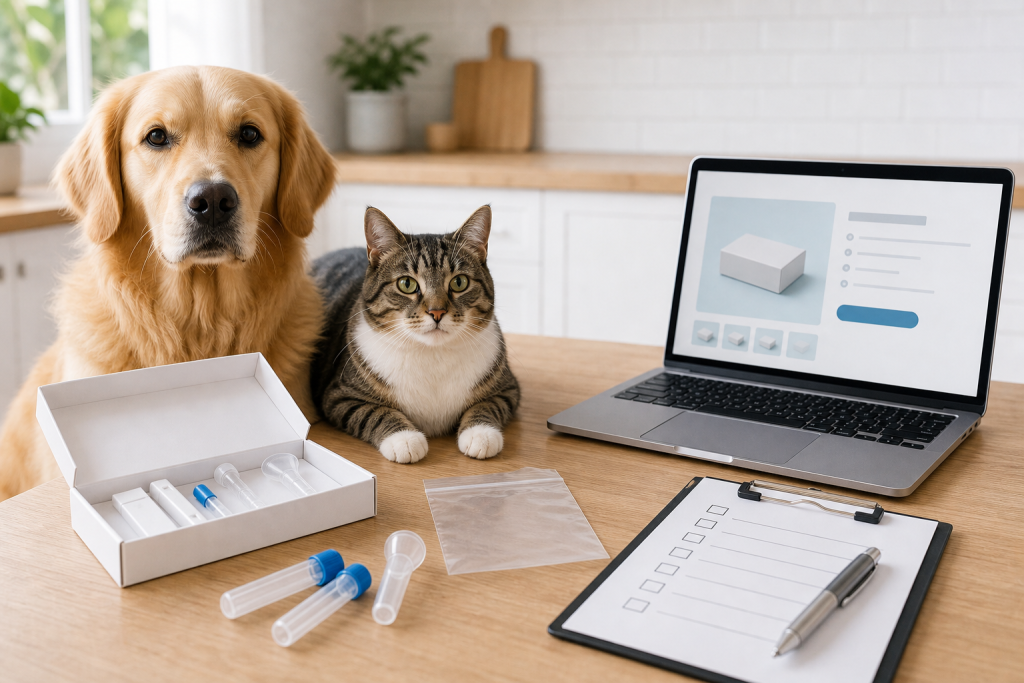
An at-home pet health test kit can be useful, but it is not a shortcut around your veterinarian. The mistake is buying the cheapest or trendiest kit before checking what it actually tests, how the sample must be collected, who interprets the result and whether the finding can change a real care decision.
Interest in mail-in and app-connected pet testing is rising because owners want earlier clues about food sensitivity, gut health, oral health, genetics and everyday wellness. That demand can make a kit look like a smart deal at checkout, especially when it promises easy answers from a swab, stool sample or urine strip. The better question is whether the kit gives you information you and your vet can use without creating a second bill, a confusing result or a false sense of certainty.
Why this matters now
At-home pet diagnostics are becoming a bigger shopping category, not just a niche add-on. Trend coverage around SuperZoo 2026 highlighted new sample-collection kits for dogs and cats, while market reports point to growth in home diagnostic products, smartphone-linked results and recurring testing services.
That growth is not automatically bad. Some home monitoring tools can help owners collect information between veterinary visits, especially when a vet has already explained what to track. The problem starts when a product page makes a complicated health question feel like a simple online quiz. A result that sounds precise can still depend on sample quality, timing, lab methods, database size and veterinary interpretation.
The checkout mistake: buying the answer instead of the process
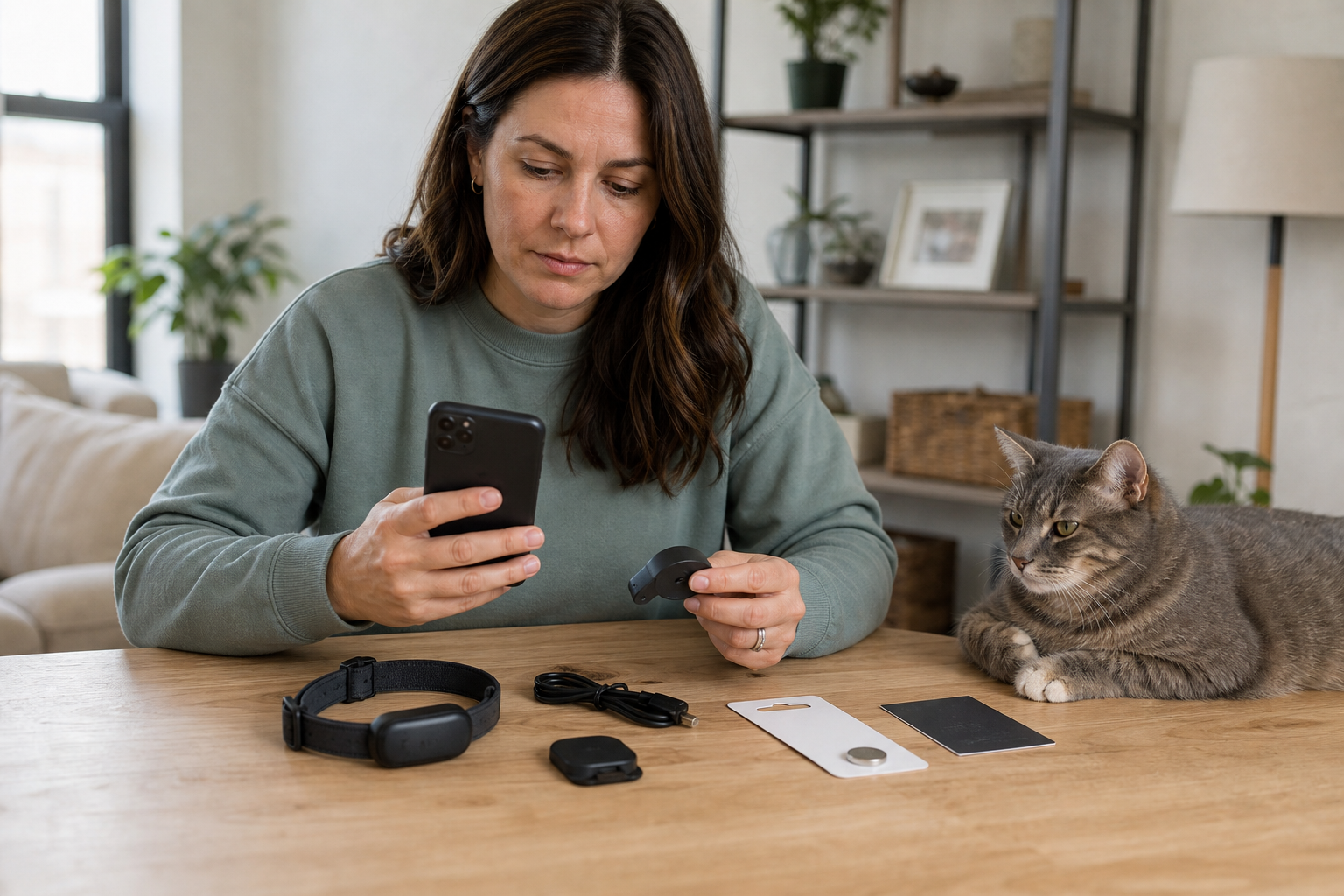
Before you pay, separate the product into three parts: sample, lab and follow-up. If any one of those is weak, the kit can become an expensive PDF.
Start with the sample. Does the kit need fresh stool, a cheek swab, hair, saliva, urine or a tiny blood sample? Does the company explain how quickly you must mail it, what invalidates it, whether you need to pause supplements or medications first, and what happens if the sample leaks, dries out or arrives late?
Then check the lab and the claim. A breed-ancestry DNA kit, a genetic health screen, a food sensitivity panel, an oral microbiome report and a home glucose monitor are not the same kind of purchase. Some products are curiosity-driven. Some may support a vet-guided monitoring plan. Some make claims that sound more clinical than the evidence a normal shopper can verify from the product page.
Finally, check the follow-up. Does the price include a veterinarian or genetic counselor review, or only an automated report? Can you export the result as a PDF for your vet? Is there a clear policy for inconclusive samples, delayed reports or retesting? If a kit raises a concern, you may still need an exam, a confirmatory lab test or a treatment plan from your veterinarian.
What to verify before buying a pet test kit
- The exact test type: Do not treat DNA, allergy, microbiome, urine, stool and glucose products as interchangeable. Each answers a different question.
- Species and age fit: Confirm the kit is made for dogs, cats or both, and whether puppies, kittens, seniors or pets with known conditions need veterinary guidance first.
- Sample rules: Look for clear collection, storage and shipping instructions before checkout, not after the box arrives.
- Result limits: Check whether the company explains false positives, false negatives, inconclusive samples and what the test cannot diagnose.
- Professional review: Prefer kits that make it easy to share results with your veterinarian, especially for health-related findings.
- Privacy and data use: DNA, app and health-history products may store sensitive pet and owner data. Read how data is retained, shared or used for research.
- Total cost: Watch for subscription portals, repeat-test bundles, shipping fees, replacement kits and paid consultations after the initial result.
When a deal is not really a deal
A discount can be useful if you already know the test answers the right question. It is less useful when it nudges you into a bundle you cannot interpret.
For example, a broad “complete health” package may include several panels, but that does not mean every result matters for your pet. A cheaper single test may be enough if your veterinarian asked you to monitor one specific issue. On the other hand, a bargain kit with vague methods, unclear lab credentials or no retest policy can be worse than waiting and putting the money toward a clinic visit.
Before using a coupon or subscribing, check whether the promotion applies only to the first kit, whether repeat shipments renew automatically, whether unused kits expire and whether refunds exclude opened kits, sample failures or completed lab work. Do not assume a coupon code makes a health-related product low-risk.
What to avoid
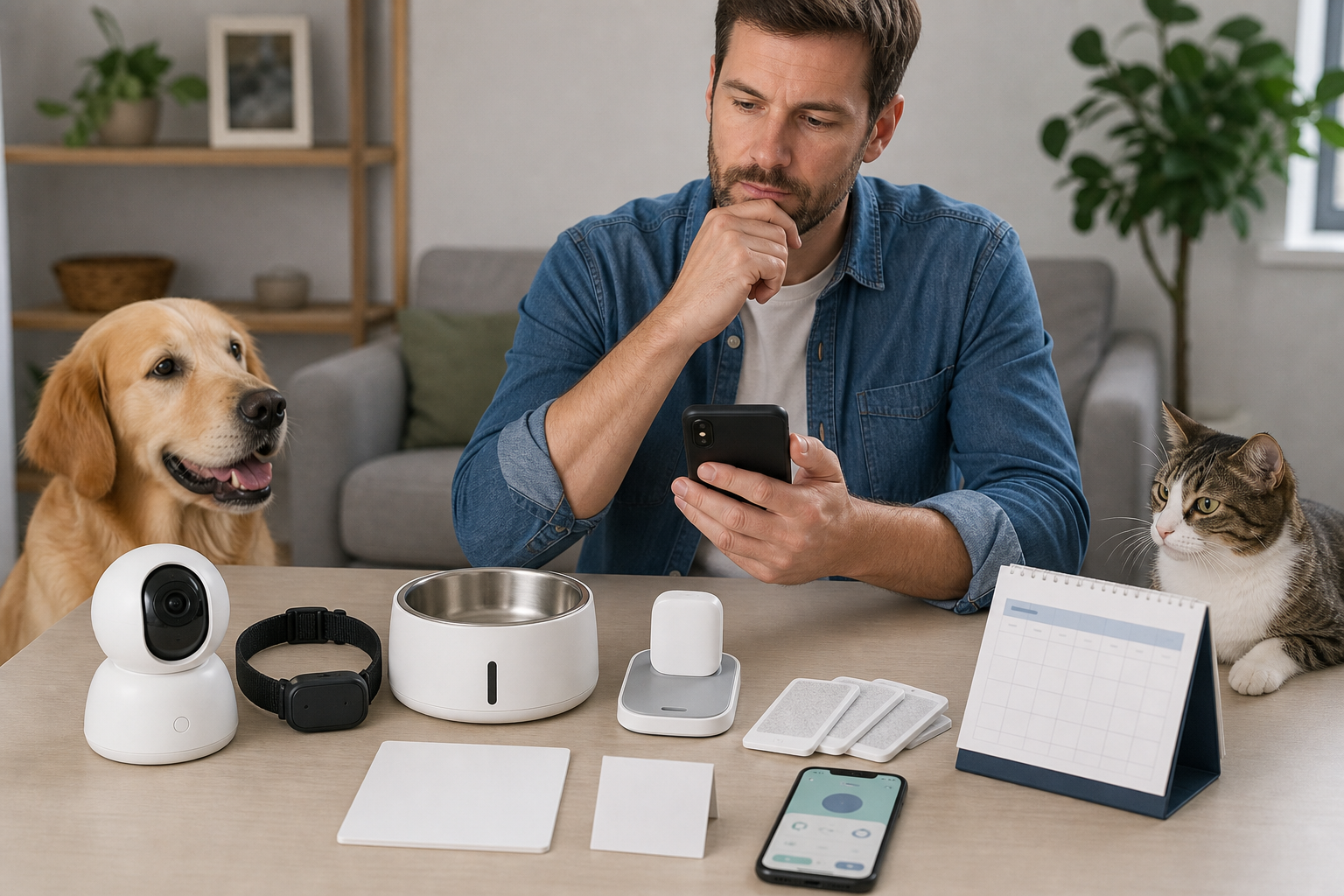
Avoid any kit that implies it can diagnose, treat or rule out a serious condition without veterinary involvement. Also be cautious with products that promise to identify every food intolerance from a simple hair or saliva sample but do not explain validation, limitations or next steps.
Do not use an at-home kit to delay care when your pet is sick, in pain, not eating, vomiting repeatedly, struggling to breathe, bleeding or acting suddenly abnormal. A mail-in result is not built for urgent decisions. If your pet has symptoms, call your veterinarian or an emergency clinic.
Be especially careful with results that could change diet, medication or supplements. Switching foods based on a confusing report can make a real allergy, digestive problem or calorie issue harder to track. Treat the report as information to discuss, not as a treatment plan.
Privacy checks for app-connected kits
Many kits now route results through an app or online dashboard. That can be convenient, but it can also lock useful records inside an account you may stop using.
Before buying, check whether you can download the full report, delete your account, control research use, remove payment details and share access with another household member or veterinarian. For DNA products, look for plain-language data policies around sample storage, genetic data retention and third-party sharing.
Quick answers
Are at-home pet health test kits worth it?
They can be worth it when the test answers a specific question, the sample rules are realistic and your veterinarian can help interpret the result. They are weaker buys when they promise broad health certainty without explaining limits.
Can a home kit replace a vet visit?
No. A kit may provide data, but it cannot examine your pet, evaluate symptoms in context or prescribe a treatment plan.
What is the biggest checkout red flag?
The biggest red flag is a strong medical-sounding claim with no clear sample instructions, no limitation statement, no professional review option and no usable refund or retest policy.
Should I buy a subscription for repeat testing?
Only if you know what you will do with repeated results. For many pets, a one-time test plus a vet conversation is more sensible than automatic shipments.
Sources
Sources last checked: August 16, 2026, 16:32 CEST, Europe/Rome.
- FDA, How FDA Regulates Animal Devices
- Exploratory content analysis of direct-to-consumer pet genomics, PMC
- Cornell Riney Canine Health Center, Benefits of canine DNA testing
- Cornell Animal Health Diagnostic Center, Pet food testing for possible contamination
- WIRED, Best at-home pet DNA test kits
- TrendHunter, At-home pet health testing kits
- Grand View Research, Pet at-home diagnostic tests market context