
#candy recall
#Halloween pet safety
#pet safety
A cheap novelty candy bottle is not a pet toy, treat puzzle or chewable container. The current Ricky Joy Sour Crush recall is about a children’s candy product, but it is still a useful warning for pet owners: small rolling parts, sticky candy residue and bright packaging can make a party favor tempting to dogs or cats after checkout. If you see similar candy bottles in a seasonal cart, buy them only if you can store, use and discard them away from pets.
Why This Matters Before Halloween Carts Fill Up
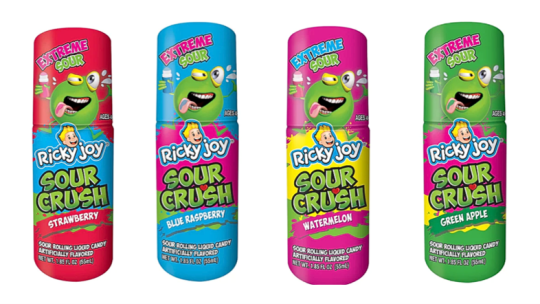
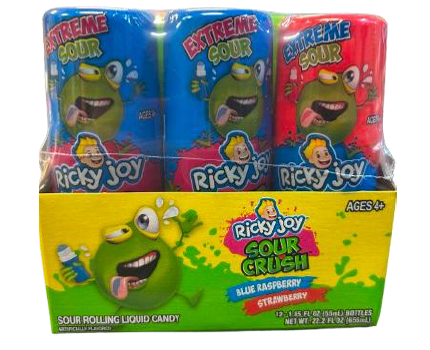
The U.S. Consumer Product Safety Commission announced a September 10, 2026 recall of Ricky Joy Sour Crush Rolling Liquid Candy Bottles because the rolling ball can detach and create a choking hazard. CPSC says about 2.3 million units are affected, with bottles sold individually and in multi-packs through candy stores and online retailers.
That does not make the product a pet recall. It does make the shopping lesson relevant for pet households. Fall candy displays, Halloween bundles, school-party treats and online snack deals often land in homes with curious dogs and cats, then the empty containers, caps and plastic bits end up on counters, floors or in trash cans.
Pet owners already know to keep candy away from animals, especially chocolate and sugar-free products. The extra checkout mistake is treating a novelty candy container like harmless packaging after the candy is gone. A dog that chews plastic, a cat that bats small parts under furniture, or a puppy that raids a party bag can turn a cheap seasonal item into a real problem.
The Checkout Test for Novelty Candy in Pet Homes
Before adding novelty candy bottles, lollipops, squeeze tubes or party-favor treats to the cart, check the object, not just the flavor. Ask four questions:
- Can any cap, roller, stick, straw or nozzle separate? If the answer is yes, assume it needs the same storage rules as a small toy part.
- Will the package smell interesting after use? Sticky sugar, fruit flavoring and sour liquid residue can make empty packaging more attractive to pets.
- Can the empty item roll under furniture? Small rounded parts are easy to lose and hard to notice before a pet finds them.
- Will guests or children throw it away safely? If the item will be used at a party, plan for a lidded trash can before you buy a bulk pack.
If you cannot control storage and disposal, skip the novelty format and choose wrapped candy that can stay sealed in a high cabinet or closed bin. The safer deal is often the boring one.
What the Recall Says, and What It Does Not Say
CPSC identifies the recalled product as Ricky Joy Sour Crush Rolling Liquid Candy Bottles. The bottles contain sour liquid candy dispensed through a rollerball top, and the recall covers blue raspberry, strawberry, green apple and watermelon versions sold from January 2023 through May 2026.
The agency says consumers should stop using the recalled bottles, keep them away from children and contact The Ricky Joy Company for a refund. It also says no incidents or injuries had been reported at the time of the recall notice.
For pet owners, the key point is narrower: do not repurpose recalled or similar novelty candy containers for dogs or cats. Do not use the bottle as a treat dispenser, slow feeder, enrichment toy, training prop or chew distraction. It was not sold as a pet product, and the recall hazard is already enough reason to keep it out of a pet’s reach.
Deal and Coupon Checks Before You Pay
Seasonal candy promotions can make multi-packs look cheap, especially when a cart needs one more item for free shipping. That is where pet owners should slow down.
Check whether the product is part of a recall, whether the seller is an official or known retailer, and whether the item has loose parts, liquid filling, sticks, small caps or reusable containers. If a coupon works only on a large party pack, ask whether you actually have a safe place to store the extras and the empties.
Do not count a novelty candy bottle as pet enrichment just because it rolls, rattles or smells sweet. Pet toys should be sized and built for the animal using them, and even pet toys need supervision when they have seams, fillings, squeakers, batteries, string or detachable pieces.
What to Avoid Around Dogs and Cats
Avoid leaving candy bags on low tables, backpacks, beds or entryway benches. Dogs can raid bags quickly, and cats may knock small items down for a dog to chew later.
Avoid open trash cans after parties. Candy wrappers, sticks, plastic tops and sticky containers can smell like food. Use a lidded bin, take party trash out promptly and do a floor check after guests leave.
Avoid sugar-free candy around dogs unless you have checked the ingredient label and storage is secure. The FDA warns that xylitol can be deadly to dogs, and AVMA Halloween guidance also flags candy ingredients such as chocolate and xylitol as pet hazards. If your pet eats candy, packaging or a small part, call your veterinarian or a pet poison helpline for case-specific advice.
Safer Shopping Alternatives
If the goal is Halloween fun for a pet, buy a pet-specific treat, toy or bandana instead of sharing human candy packaging. For treats, check calories, species, size and whether the product is meant for daily feeding or occasional rewards. For toys, check size, chew strength, seams, stuffing, squeakers and whether your pet needs supervision.
If the goal is a party favor for humans, keep the pet plan separate. Put candy in a cabinet before guests arrive, keep pets out of the candy staging area and place a small lidded trash can where wrappers and empty containers will actually be used.
Quick Answers
Is the Ricky Joy recall a pet product recall?
No. It is a CPSC recall of a children’s rolling liquid candy bottle. The pet-shopping lesson is to keep recalled or similar novelty candy containers away from dogs and cats and never reuse them as pet toys.
Can I wash an empty candy bottle and use it for pet treats?
No. A human candy container is not designed, tested or sized as a pet treat dispenser. Buy a pet-specific enrichment toy that matches your pet’s size and chewing style.
What should I check before buying Halloween candy for a pet household?
Check for chocolate, xylitol or other pet-risk ingredients, then check the packaging. Small caps, sticks, rollers, strings, plastic pieces and sticky residue should stay out of reach before and after the candy is eaten.
Sources
Sources last checked: September 14, 2026, 07:32 CEST, Europe/Rome.