
#cat cooling mat
#cat heat safety
#pet deals
#summer pet supplies
A cat cooling mat deal can fail if the mat feels strange, warms up too fast, cannot be cleaned easily or is bought as a substitute for shade, water and a cooler room. The better buy is usually the mat your cat will actually choose, in the right size and texture, with return terms you understand before checkout.
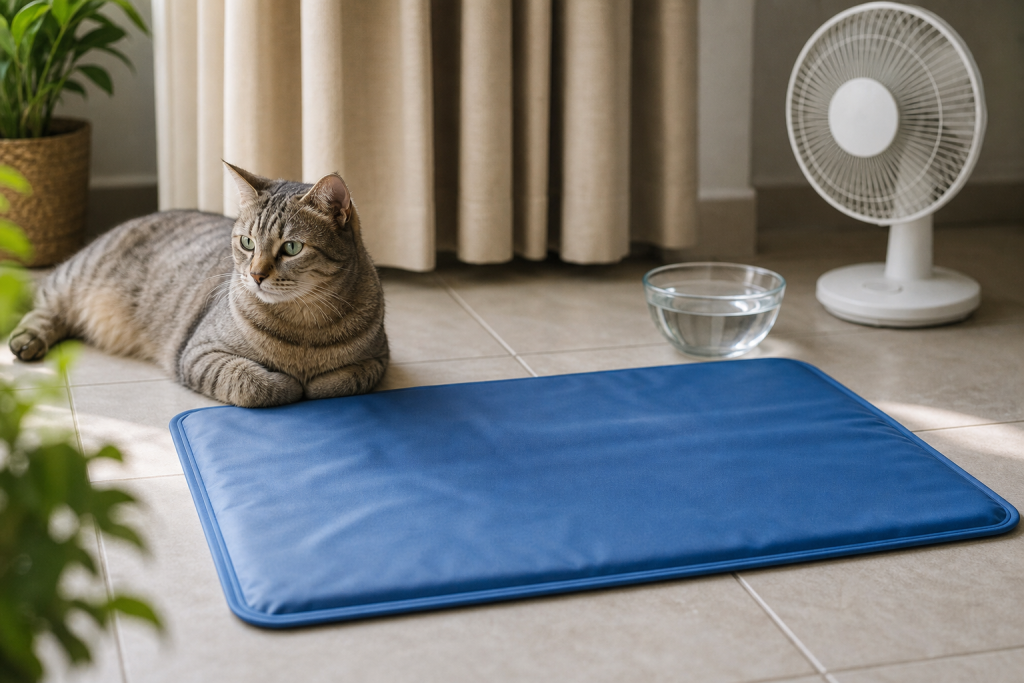
Cooling products are showing up across summer pet aisles because heat is no longer just a dog-walk problem. Indoor cats, outdoor cats, senior cats, flat-faced cats and overweight cats can all struggle when the house or patio stays hot. A mat can help create a cooler resting spot, but it is only one part of the setup.
Why cat cooling mats are getting attention now
Summer heat pushes pet owners toward fast fixes: mats, fans, fountains, raised beds and frozen treats. The ASPCA warns that flat-faced pets such as Persian cats, older pets, overweight pets and pets with heart or lung disease should be kept cool as much as possible in hot weather. Blue Cross also recommends hydration, shade, grooming and cooling mats or wrapped ice packs as practical ways to help cats cope in summer.
That makes the category useful, but also easy to overbuy. A discounted mat is not a climate plan. It does not cool the whole room, it will not make an outdoor space safe in extreme heat, and it cannot tell you whether your cat is overheating. If your cat seems unwell, is panting heavily, is weak, is vomiting or is acting unusually in hot weather, contact a veterinarian promptly.
The checkout checks that matter most
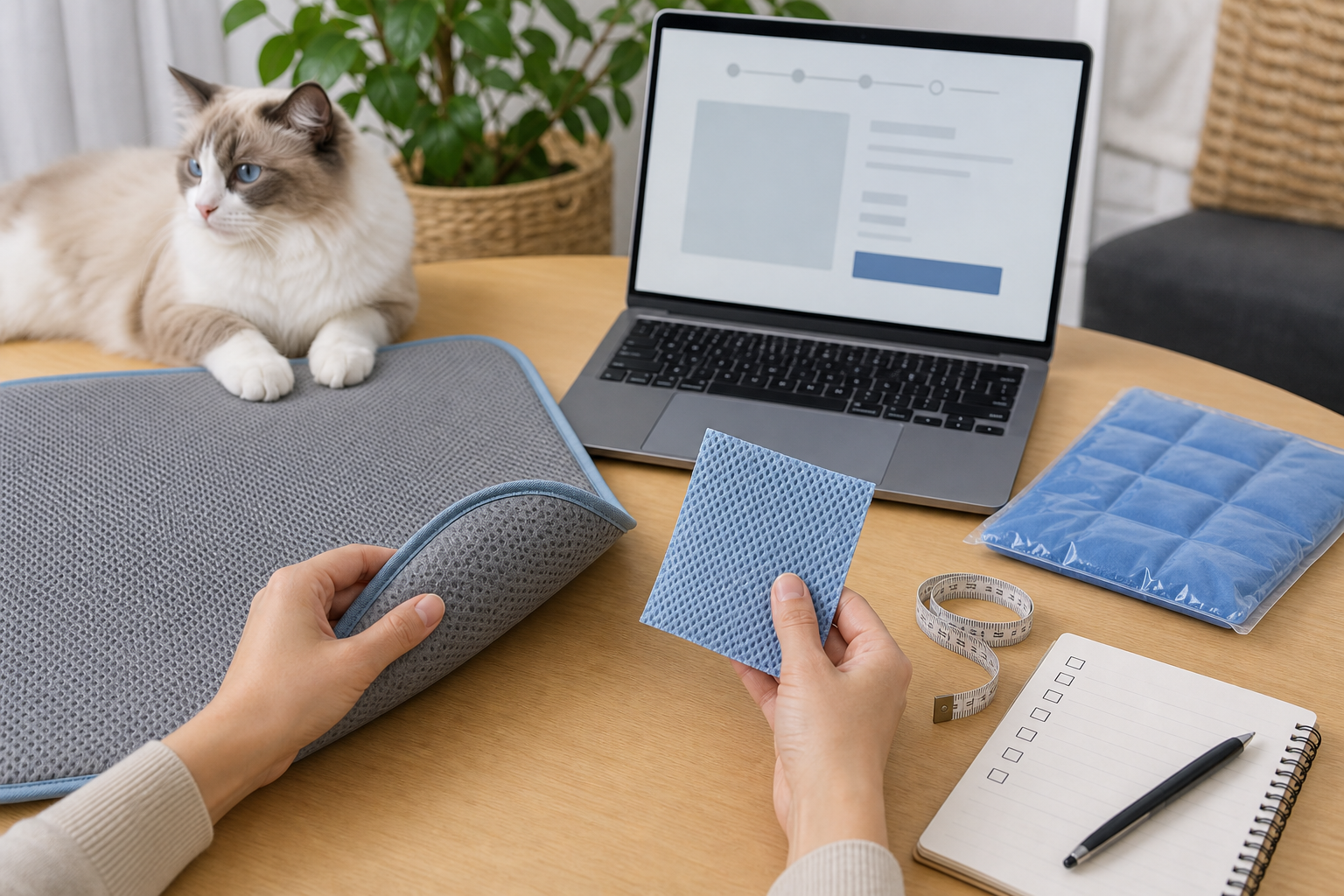
Start with texture. Many cats reject a surface before they care how cool it is. If your cat avoids crinkly pads, slick vinyl or unstable cushions, a bargain multipack can become clutter. Look for a surface that matches places your cat already likes, such as tile, a thin mat, a soft bed topper or a towel-covered pad.
Check the cooling method. Some mats use pressure-activated gel, some use water or removable ice packs, and some are simply breathable fabric. Gel mats can be convenient, but they may not stay cool for long in a warm room. Ice-pack styles can feel colder, but they need refreezing and a washable cover so the surface is not too harsh.
Measure the resting area, not just the cat. A curled-up cat may fit a small pad, but many cats stretch out when they are hot. Measure a favorite nap spot and compare it with the mat’s usable surface. If the mat only supports the front half of your cat, they may move back to the floor.
Look at cleaning before color. A summer mat will collect hair, dander, dust and spilled water. Prioritize removable covers, wipe-clean surfaces and clear washing instructions. If the product page is vague about cleaning, assume it may be annoying to maintain.
Deal and coupon checks before you pay
Cooling mats are often sold in seasonal promotions, multipacks and marketplace listings. Before a sale badge wins, compare the delivered price, size, return window and replacement-cover cost. A cheaper mat is not cheaper if you need to buy a second style because your cat hates the first one.
Be careful with bulk buys. One trial mat is safer than three identical mats unless your cat has already used that type of surface. If the mat is coming from a marketplace seller, check who ships it, who accepts the return and whether the product page clearly identifies the material and cleaning method.
Also check the return policy. Chewy says eligible items can be returned within 365 days, with exceptions such as prescription medications. Petco’s return page says many returns are limited to 60 days, with shorter or different rules for some categories. Policies can change, so read the live terms and keep the order confirmation until you know the mat works for your cat.
What to avoid
Avoid any mat with strong chemical odor, leaking gel, damaged seams or a cover your cat can easily shred. If your cat chews soft products, skip gel-filled mats unless your veterinarian or the manufacturer confirms it is appropriate for your pet’s behavior. Do not place a very cold pack directly against your cat without a cover, and do not force a cat to stay on a mat.
Do not use a cooling mat to justify leaving a cat in a hot room, a poorly ventilated sunroom or an outdoor enclosure without shade and fresh water. The BC SPCA recommends practical cooling steps such as closing blinds, using fans safely and keeping pets in cooler areas of the home. A mat can support those steps, but it cannot replace them.
A better buying plan
Buy one medium-size mat first, place it near a spot your cat already chooses, and let the cat decide. Add a thin towel if the texture is too slick. Keep fresh water nearby, close curtains during the hottest part of the day, and use a fan only where cords are safe and the cat cannot chew them.
If your cat uses the mat for a week, then consider a second one for another room. If your cat avoids it, return or donate it quickly instead of buying add-ons to rescue a bad fit. The win is not owning a cooling product. The win is giving your cat a cooler, cleaner, low-stress place to rest.
FAQ
Are cooling mats safe for cats?
They can be useful for many cats when they are intact, clean, covered if needed and not chewed. Skip damaged or leaking mats, and ask your vet if your cat has health issues, heat sensitivity or a habit of chewing soft products.
Will a cat use a cooling mat right away?
Not always. Cats often need time to investigate a new surface. Put it beside an existing nap spot instead of moving the cat onto it.
Is a cooling mat better than a fan?
They solve different problems. A fan moves air, while a mat gives your cat a cooler surface. In hot weather, water, shade, ventilation and a cooler room matter more than any single product.
Should I buy a gel mat or an ice-pack mat?
Choose based on your cat’s behavior and your routine. Gel mats are simple but may warm up. Ice-pack mats need refreezing and a comfortable cover, but they can feel cooler for cats that tolerate them.
Sources
Last checked: June 19, 2026, 07:33 Europe/Rome.