
#cat brush
#cat grooming
#cat grooming glove
#pet deals
#shedding cats
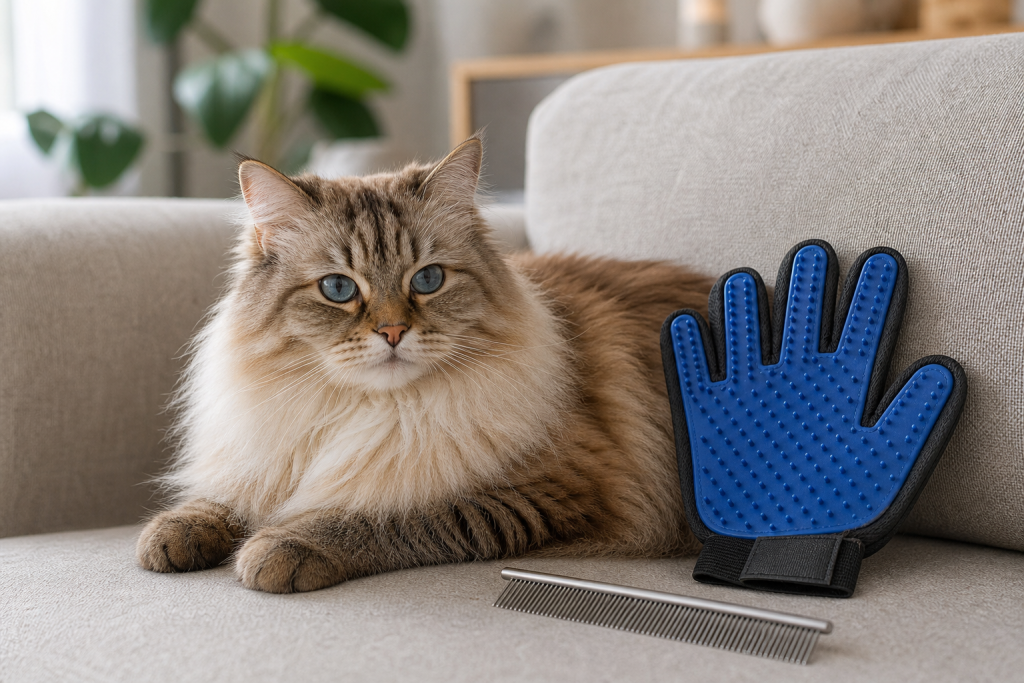
A cat grooming glove can be a decent deal for loose hair and cats that hate a stiff brush, but it can still be the wrong buy if your cat already has mats. Gloves usually skim the surface, while tangles, undercoat buildup and long-coat knots often need a comb, a proper brush or a groomer. Before you click the cheapest pair, check your cat’s coat type, the glove fit, the pin softness and the return policy.
Why this grooming deal matters now
Shedding season, warmer weather and indoor hair cleanup all make low-cost grooming gloves look tempting. They are also heavily promoted as gentle, easy tools for cats that refuse traditional brushes. The catch is that “gentle” and “effective” are not the same thing for every coat.
ASPCA grooming guidance separates short-haired and long-haired coat care, noting that combs, rubber brushes and careful section-by-section brushing can all have different jobs. International Cat Care also emphasizes slow, gentle grooming in the direction the coat grows. That matters because a glove that feels pleasant may collect surface hair without reaching early tangles near the skin.
Where grooming gloves actually help
A glove can be useful when your cat accepts petting but backs away from a brush. The soft silicone pins can make grooming feel closer to stroking, and that may help with short sessions, especially for cats that need a low-pressure introduction to grooming.
Gloves are most useful for:
- short-haired cats with loose seasonal shedding;
- cats that tolerate petting better than brushing;
- finishing passes after a comb or brush has already handled tangles;
- quick furniture-hair control before it turns into a bigger cleanup job.
They are less convincing as the only tool for thick undercoats, long-haired cats, dense ruffs, trousers, armpit tangles or mats that have already tightened. If the glove catches or drags, stop rather than pulling harder.
The checkout checks that matter
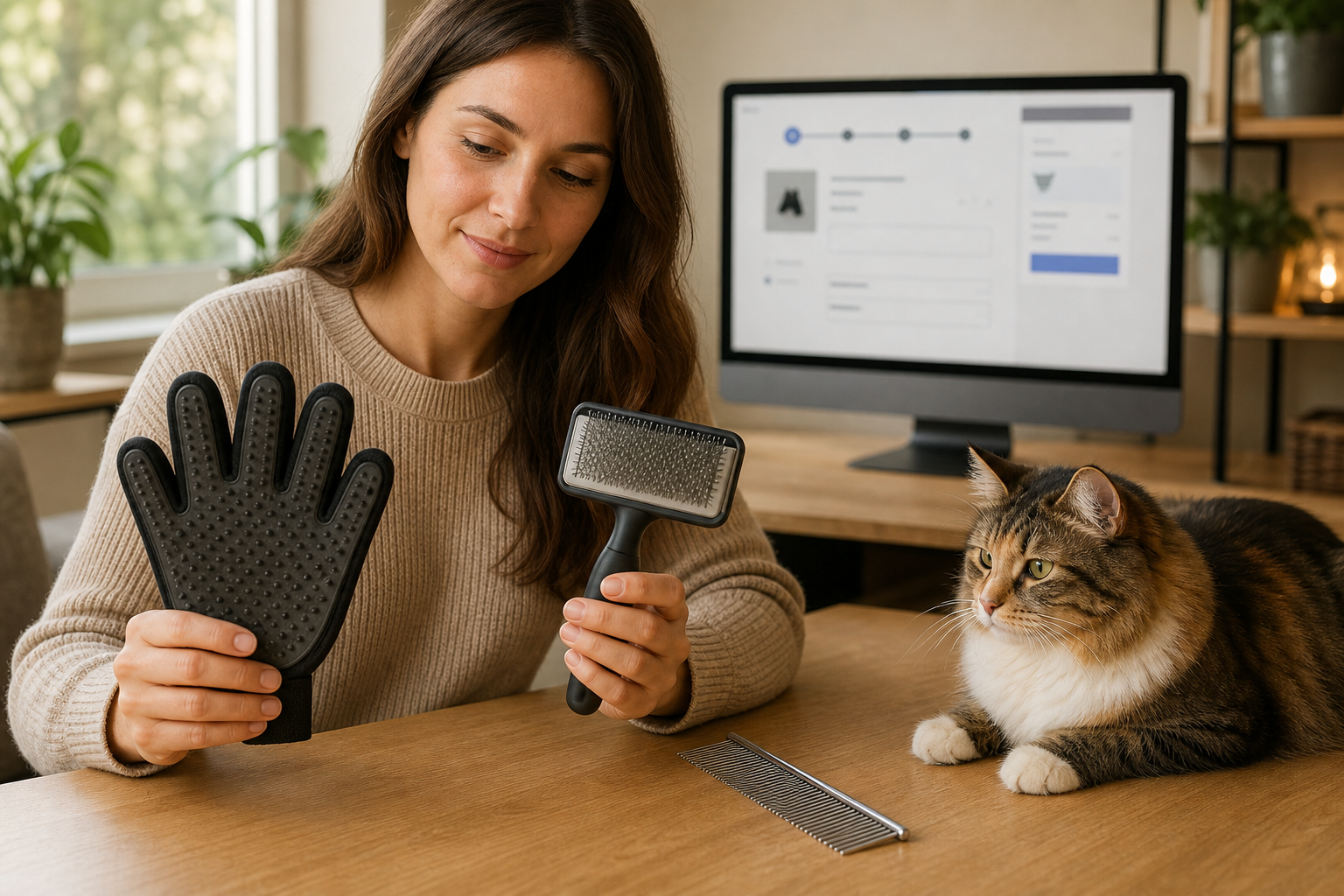
Start with coat type. For a short-haired cat, a soft glove or rubber brush may be enough for loose hair between deeper grooming sessions. For a long-haired or double-coated cat, look for a glove only as an add-on and budget for a stainless steel comb or a brush suited to the coat.
Check glove size next. A glove that slides around your hand gives you less control, which matters near a cat’s belly, chest, legs and tail base. Adjustable wrist straps, flexible fingers and a palm shape that fits your hand are more important than a big “one size fits all” claim.
Look closely at the pins. Very stiff nubs can feel scratchy, while very shallow nubs may barely pick up hair. If the listing does not show the pin depth, cleaning method and material clearly, the discount is harder to judge.
Finally, check how the glove is cleaned. Loose hair should peel away without a fight, and the glove should be washable without leaving soap or fragrance residue that your cat may lick later. If the product smells strongly out of the package, air it out and reconsider whether your cat will tolerate it.
Deal and coupon section: what to verify before paying
A cheap grooming glove is not a bargain if it pushes you to buy a second tool immediately. Before using a coupon or sale badge, compare the glove with the tool your cat actually needs: glove for surface hair, comb for tangles, slicker-style brush for some coats, professional groomer or veterinarian for severe matting or skin discomfort.
Also check whether the deal is for one glove or a pair. Some listings show two hands in photos but sell a single glove. Confirm the return window before opening or washing it, because grooming tools can be harder to return once used.
If you are buying from a marketplace seller, read the seller name, delivery time and recent reviews for shedding, odor, seams splitting and cats disliking the texture. Do not rely on a coupon code alone. A slightly more expensive glove that fits your hand and cleans easily may cost less than replacing a flimsy one.
What to avoid
Do not buy a glove expecting it to remove tight mats painlessly. Mats can pull on the skin, hide irritation and become harder to handle when tugged. If a mat is close to the skin, if your cat reacts sharply, or if you see redness, flakes, sores or behavior changes, pause and ask your veterinarian or a qualified groomer what is safe.
Avoid using scissors on mats unless a professional has shown you exactly what to do. Cat skin is flexible, and it is easy to cut skin hidden under fur. Avoid fragrance-heavy sprays, essential oils or human hair products unless your veterinarian says they are safe for your cat.
Do not force a long grooming session just because the glove was advertised as calming. Short sessions with treats and a clear exit are usually better than turning the tool into something your cat avoids.
Quick answers
Are cat grooming gloves worth buying?
They can be worth buying for loose hair and sensitive cats, especially short-haired cats. They are not a complete grooming kit for every coat.
Can a grooming glove remove mats?
Usually not well. A glove may glide over or tug at mats instead of safely separating them. Tight or painful mats need a better tool or professional help.
Should I buy a glove, brush or comb first?
For a cat with tangles or long fur, start with a suitable comb or brush and use the glove as a finishing tool. For a short-haired cat that only needs loose hair removed, a glove may be enough.
What if my cat hates the glove?
Stop and try a slower introduction. Let the cat sniff it, touch the cat briefly with the back of the glove, and keep sessions short. Return it if the texture or fit clearly does not work.
Sources
Last checked: 2026-06-28 10:35 Europe/Rome.
- ASPCA, Cat Grooming Tips.
- International Cat Care, Grooming your cat.
- The Spruce Pets, The Best Cat Brush Gloves, used for shopping-feature context.
- Chewy, Cat Brushes & Combs category guidance, used for retailer category context.
- Petco, return policy, used for return-window context.