

#cat litter
#cat litter deals
#litter box habits
#pet deals
#pet supplies
A cheap-looking cat litter deal can become expensive after the first refill if the bag is too small, the litter type changes your cleaning routine, or the shipping and return terms erase the discount. The better buy is the litter your cat will reliably use, priced by usable weeks rather than by the sticker on one bag. Before you stock up, check weight, material, scent, dust, return rules and whether the deal locks you into more litter than your cat has already accepted.
Cat litter is not a one-time supply. It is a recurring household cost, and the market keeps expanding as owners compare clay, silica, lightweight, paper, wood, corn, grass and other plant-based formulas. That growth is useful for choice, but it also makes checkout pages harder to read: one product may be cheaper per bag, another may last longer, and a third may be easier to ship or carry but rejected by the cat.
Why litter deals are confusing right now
Pet spending remains large heading into 2026, and APPA says its 2026 State of the Industry Report tracks pet-owner spending and product behavior across species, including cats. Cat litter is part of that everyday supply basket, so even small price differences repeat month after month.
The category is also changing. Market coverage from Grand View Research notes rising interest in biodegradable, plant-based and silica litter options, while traditional clay products remain common. That means shoppers are no longer comparing only “big bag versus small bag.” They are comparing weight, absorbency, tracking, scent, dust, disposal habits, storage space and how often the box needs a full change.
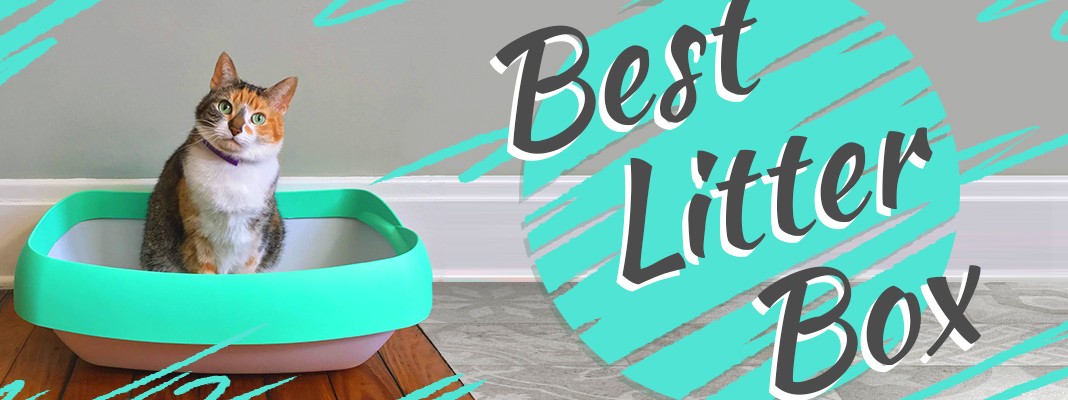
The refill math shoppers should do first
Do not judge a litter deal by the bag price alone. A smaller lightweight bag may be easier to carry but not always cheaper per week. A large clay bag may look economical but become wasteful if your cat dislikes the texture or scent. A premium silica or plant-based litter may cost more per purchase but need fewer full changes in some homes.
Use this simple checkout test before buying multiple bags:
- Price per pound or liter: compare the unit price, not just the headline price.
- Expected refill rate: estimate how often you top off and fully replace the box.
- Number of boxes: Merck Veterinary Manual says a general rule is one more litter box than the number of cats in the home.
- Waste from rejection: a cheap bulk order is not cheap if your cat avoids it.
- Shipping threshold: heavy litter can help reach free shipping, but it can also make returns less convenient.
- Storage space: a bargain multi-pack still needs a dry place away from curious pets and moisture.
Do not switch formulas just because the coupon is better
Merck notes that many cats prefer small, clumping particles and that unscented litter is often recommended because cats can be sensitive to smells. It also warns that sudden changes in litter type or box location can lead to soiling outside the box. Cornell’s Feline Health Center makes the same broader point: house soiling can come from medical problems, litter box aversion or location and surface preferences.
That does not mean you can never change litter. It means a deal should not force an abrupt switch. If you want to try a new material, buy one bag first, mix gradually if appropriate, and keep the old litter available while you watch your cat’s response. If your cat strains, cries, urinates outside the box, visits the box repeatedly or suddenly changes bathroom habits, treat that as a veterinary issue, not a shopping problem.
Deal and coupon checks before you pay
A litter coupon is only useful if the full order still works after shipping, returns and subscription terms. Check the cart total after discounts, not before. Look for whether the promotion requires autoship, a minimum order, a particular size, a new-customer account or a specific fulfillment method.
Returns matter more with litter than with many small pet supplies because bags are heavy and often opened before the problem appears. Chewy’s return policy says opened pet food and litter are among items that can be returned within its policy window, and that full-order returns may include shipping-fee refunds. Petco’s posted return policy allows returns within 60 days for many purchases, but it also says mailed returns may have return shipping fees deducted and shipping charges are generally non-refundable. Policies change, so verify the retailer’s current terms in the cart before you buy a large refill supply.

What to avoid
Avoid stocking up on a scented formula your cat has never tried, especially if your current litter is working. Avoid buying by “odor control” claims alone, because the box still has to be scooped and cleaned. Merck advises daily scooping and regular full cleaning, and more frequent cleaning when multiple cats use the same boxes.
Also be careful with very dusty products, torn bags, wet packaging, damaged clumps or litter that smells unusual when opened. Do not mix in deodorizing powders, essential oils or household cleaners unless your veterinarian has told you they are appropriate. If the product claims to diagnose, treat or prove a health condition from litter color or app-style alerts, treat it as a screening prompt at most and ask your veterinarian about concerning changes.
A practical buying plan
If your cat currently uses a litter reliably, start by pricing that exact product in the size you already finish before it becomes stale, damp or annoying to store. Then compare one close alternative, ideally unscented and similar in texture. Test the alternative with one bag before buying a subscription or multi-pack.
For multi-cat homes, calculate the monthly need across all boxes. For apartments, weigh tracking and dust against storage and disposal. For senior cats or cats with mobility issues, the box design may matter as much as the litter itself, since Merck notes that older cats with arthritis may need lower-sided boxes. The cheapest refill cannot fix a box your cat cannot comfortably enter.
FAQ
Is lightweight litter always cheaper to ship?
Not always. It may be easier to carry, but the useful comparison is cost per week after shipping, discounts and how often you replace the litter.
Should I buy scented litter if it promises better odor control?
Only if your cat accepts it. Many cats are sensitive to smells, and unscented litter is often the safer first comparison when changing formulas.
Is a bulk litter order worth it?
It can be, but only after your cat has already accepted that formula and you have checked storage space, shipping terms, return rules and the realistic refill rate.
When is litter box trouble not a shopping issue?
If your cat strains, cries, urinates outside the box, suddenly changes habits or seems uncomfortable, ask your veterinarian. Cornell notes that medical problems can cause litter box issues, and Merck warns that straining can be urgent, especially in male cats.
Sources
Last checked: June 1, 2026, 10:31 Europe/Rome.
- American Pet Products Association, U.S. Pet Industry Reaches $158 Billion in 2025, Poised for Continued Growth in 2026
- Merck Veterinary Manual, Providing a Litter Box for a Cat
- Cornell Feline Health Center, Feline Behavior Problems: House Soiling
- Chewy, Returns
- Petco, Return Policy
- Grand View Research, Cat Litter Products Market Size, Share and Trends