
#canned pet food
#pet deals
#pet food delivery
#wet pet food
A dented pet food can is not automatically dangerous, but a cheap case is not a deal if several cans are deeply dented, leaking, bulging, rusty or dented on the seam. Small cosmetic dents may be fine when the can is otherwise intact, but shoppers should inspect every can before feeding it and contact the seller quickly if a delivery arrives damaged.
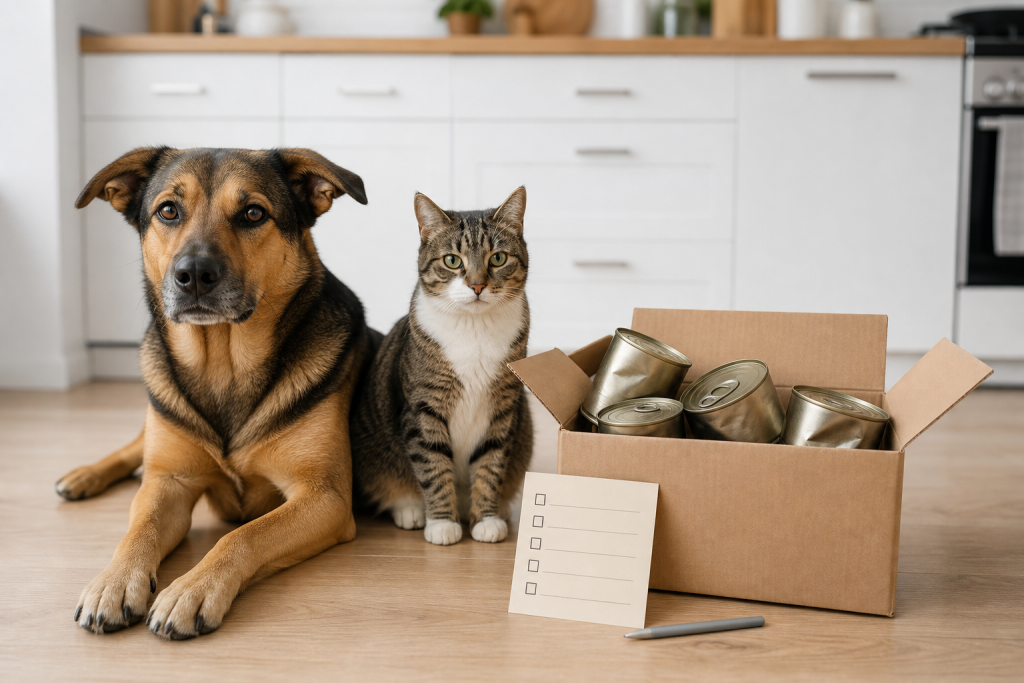
This matters now because more pet owners are buying wet dog and cat food by the case through delivery, Autoship and marketplace sellers. Canned food is heavy, and shipping damage can turn a good unit price into waste, refund work and a last-minute trip to buy replacement meals.
Why Dented Cans Are a Checkout Problem
Wet pet food is popular because it is convenient, portioned and often easier for picky cats, senior pets and pets that need more moisture in the bowl. The hidden cost shows up after delivery, when the cardboard case looks fine but individual cans inside have been crushed, creased or dented near the rim.
The safest shopping question is not “Can I use one dented can?” It is “Does this order give me enough undamaged food at a real savings, and do I have a return or replacement path if it does not?” A seller with a lower price but poor packing, unclear damage policy or marketplace-only support can erase the savings quickly.
The Can-Damage Check Before You Feed
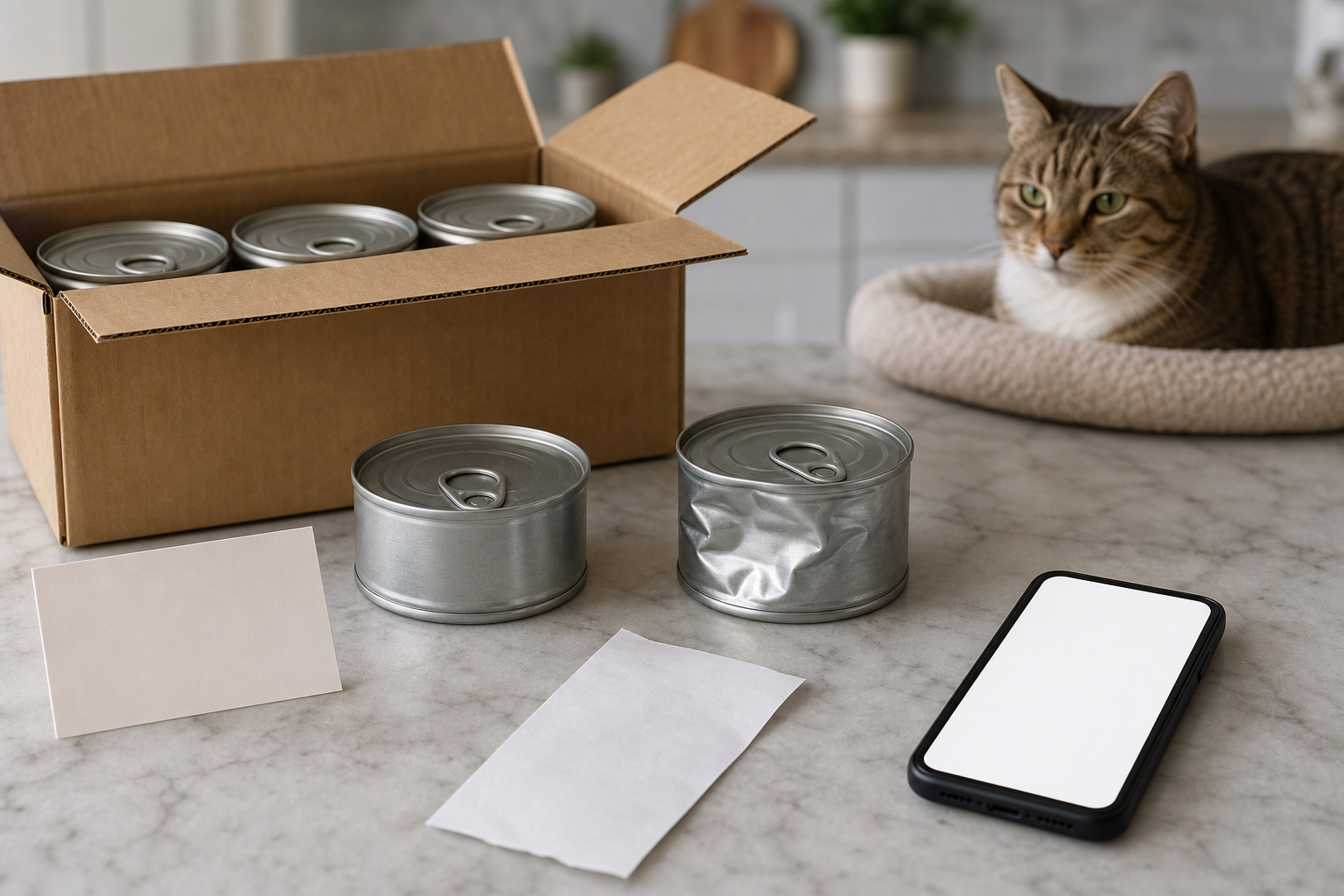
Use a simple inspection routine before putting a new case into the pantry. Separate any can that is leaking, swollen, badly rusted, punctured, spurting, sharply creased or deeply dented. Pay special attention to dents on the top seam, side seam, bottom rim or pull-tab area, because that is where a seal problem is easiest to miss.
USDA guidance for shelf-stable canned food says not to purchase bulging, rusted, leaking or deeply dented cans. FDA pet-food handling guidance also says wet pet food should be refrigerated or discarded promptly after opening, so a questionable can is not something to leave half-used on the counter while deciding what to do with it.
A shallow dent on the flat side of an otherwise clean, sealed can is a different situation from a sharp dent that forms a crease. If you are unsure whether the seal is compromised, do not feed it. Contact the retailer or manufacturer, keep photos of the damaged case and lot information, and ask your veterinarian if your pet has already eaten from a suspect can and seems unwell.
What To Check Before Buying a Case Deal
- Seller type: buying direct from a known retailer is usually easier to resolve than buying from an unknown marketplace seller.
- Return terms: check whether opened cases, food items, prescription diets and damaged grocery-style goods are handled differently.
- Pack size: a 24-can case is only cheaper if your pet will eat it before dates, texture preferences or diet changes make it wasteful.
- Packaging history: if reviews repeatedly mention crushed cans, do not treat the lowest price as the full cost.
- Lot and date visibility: keep the case sleeve or take photos before unpacking, especially during active recall seasons.
- Backup meals: keep a few safe meals on hand so you are not tempted to feed a questionable can because the next delivery is late.
Deal Math: Count Usable Cans, Not Just Case Price
The honest unit price is the delivered price divided by the number of cans you can actually use. If a case has three cans you will not feed, the per-can cost rises. If you have to buy replacement food locally while waiting on a refund, the deal gets weaker again.
Before using a coupon or subscription discount, compare the final cart total with the smaller pack size, local pickup and another retailer that packs cans better. Also check whether a first-order discount locks you into a recurring shipment that may arrive before you have seen how the food handles delivery.
Do not assume a damaged-case refund will be automatic. Some retailers may ask for photos, order numbers, lot codes or a count of damaged cans. Take pictures before throwing anything away unless the can is leaking or unsafe to keep in the house.
What To Avoid
- Do not feed from a bulging, leaking, badly rusted, punctured or sharply dented can.
- Do not taste or smell suspicious food to decide whether it is safe.
- Do not store opened wet pet food at room temperature after mealtime.
- Do not throw away all packaging before checking dates, lot codes and seller return steps.
- Do not buy a huge case of a new wet food before confirming your pet will eat that texture and recipe.
Quick Answers
Is one small dent always a reason to throw the can away?
No. A minor cosmetic dent on an otherwise sealed can is not the same as a deep dent, seam dent, puncture, leak, swelling or rust. When in doubt, do not feed it.
Should I buy discounted dented pet food cans?
Only if the cans are minor cosmetic dents, the seals are intact and the seller is clear about why they are discounted. Skip anything with deep, sharp, seam, leaking, swollen or rusty damage.
What should I do if a delivered case arrives damaged?
Photograph the outer box, inner tray, damaged cans, lot codes and order details. Separate questionable cans, contact the seller quickly and keep enough safe backup food so you do not have to use damaged cans while waiting.
Can I refrigerate leftover canned pet food?
Yes, but FDA guidance says unused or leftover canned and pouched pet food should be refrigerated or thrown out promptly. Keep the refrigerator at 40 F or below.
Sources
- USDA FSIS, Shelf-Stable Food Safety
- FDA, Proper Storage of Pet Food and Treats
- FDA, Pet Food
- AAFCO, Product Handling Safety
- Chewy return policy
- PetSmart returns and refunds
Sources last checked: August 2, 2026, 19:35 Europe/Rome.