
#dog apparel
#dog coats
#dog sizing
#pet supply deals
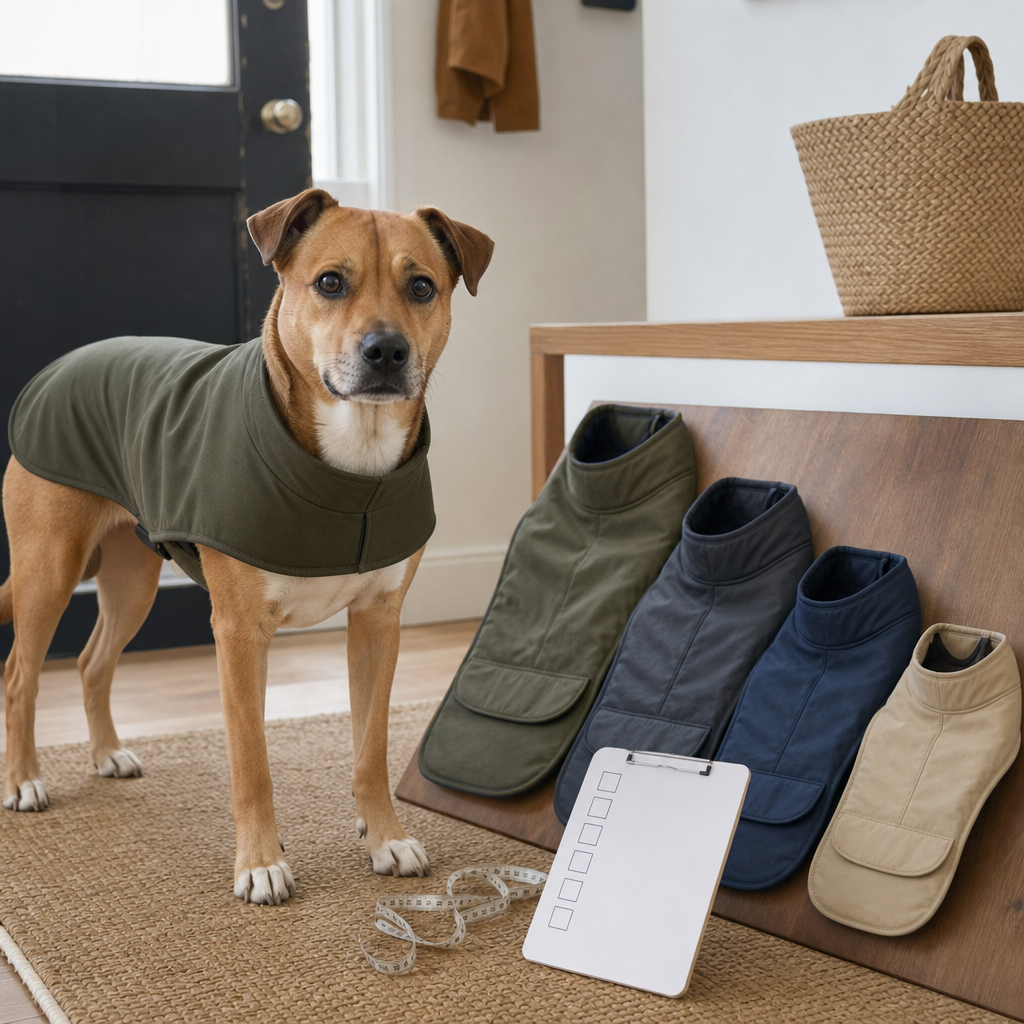
A cheap dog coat can fail if you choose the size by weight alone, because weight does not tell you chest depth, back length, neck room or whether the coat will rub behind the front legs. The safer move is to measure your dog, compare those numbers with the brand’s chart and check the return rules before the tag comes off. A coat that looks like a deal but restricts movement, leaves the belly soaked or cannot close over the chest is not really saving money.
Why this matters before fall coat shopping starts
Dog coats, sweaters and rain shells start showing up in carts before the first truly cold week. That timing makes sense, because sizes can sell through quickly and returns take time. It also creates one predictable mistake: owners scan a size label by breed or weight, see a sale badge and skip the measurements that decide whether the coat can actually be worn.
The current shopping risk is not that every dog needs a jacket. Many healthy, thick-coated dogs are comfortable in weather where a thin-coated, senior, small or low-to-the-ground dog may need extra protection. The real buying question is more practical: if your dog does need a layer, will the coat fit your dog’s body and your walking routine, or will it become one more unused pet item in the closet?
The weight-only sizing trap
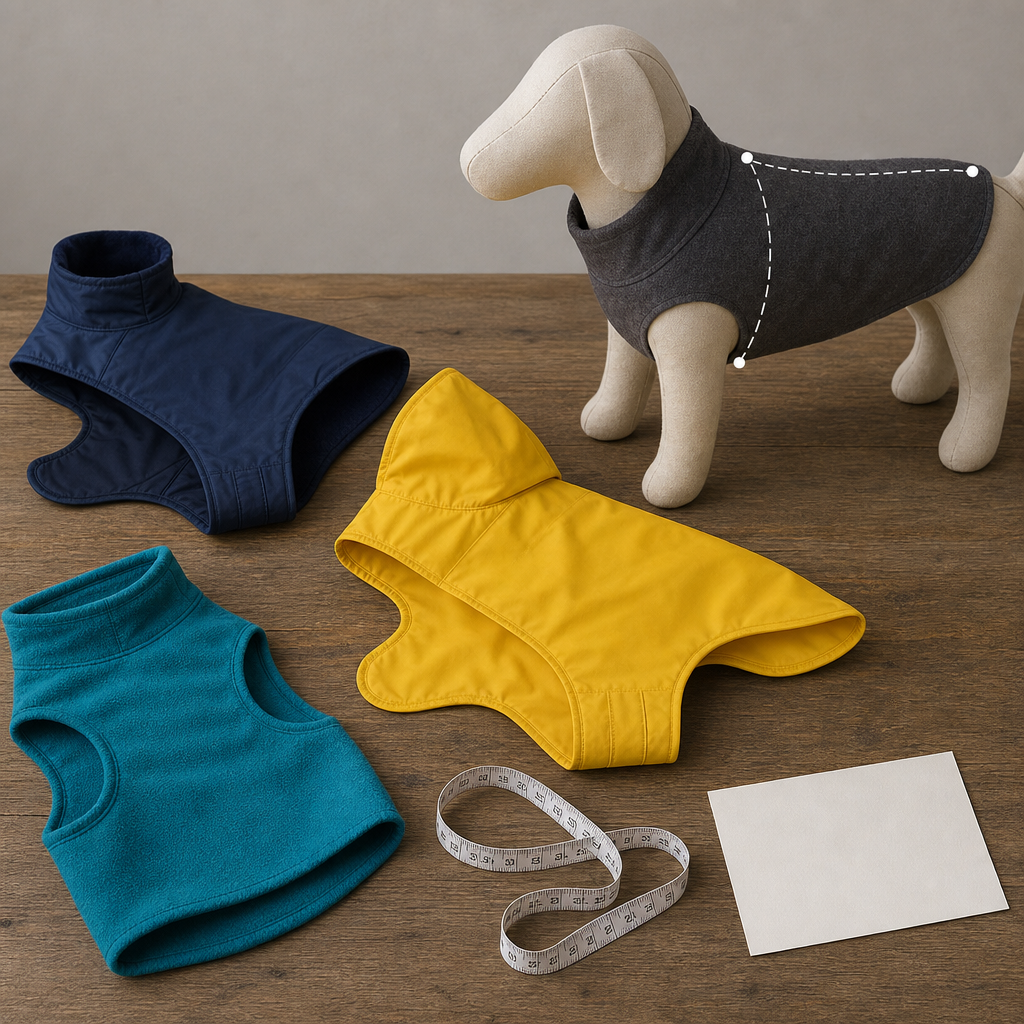
Weight can be useful as a rough filter, but it is not enough to buy dog clothing. A 35-pound dog can be long and narrow, short and broad, deep-chested or barrel-shaped. Those differences decide whether a coat closes, whether the back panel reaches far enough and whether the arm openings sit comfortably.
Chewy’s measuring guidance focuses on three areas: neck, chest and body length. The chest is especially important because a coat that cannot pass around the widest part of the rib cage has no chance of fitting well. PetSmart’s size chart also separates neck, back and chest measurements, which is a useful reminder that one “medium” can mean very different things across brands and styles.
Before checkout, measure while your dog is standing normally. Do not measure while the dog is curled, sitting or stretching forward for a treat. Write down the neck at the base, the widest chest point behind the front legs and the back length from the neck area toward the tail base, then compare those numbers with the exact product page, not a generic breed guess.
When a dog coat is useful, and when it is just cute
Dog coats can be practical in cold, wet or windy weather, but the need depends on the dog. The American Kennel Club notes that large dogs with thick coats are often naturally better protected, while small dogs, hairless breeds, clipped dogs, short-legged dogs, lean-bodied breeds, puppies, seniors and dogs with some health concerns may benefit more from outerwear. If you are unsure because of age, weight, arthritis, skin problems or another condition, ask your vet before buying a coat as a care tool.
The style should match the job. A lightweight jacket may be enough for chilly walks. An insulated coat is different from a rain shell. A fleece sweater that feels cozy indoors can hold moisture outside if the weather is wet, while a waterproof shell may reduce drying and grooming time after rain. Buying the cheapest coat in the wrong material often creates the second purchase you were trying to avoid.
Fit checks before you keep the deal
Try the coat on before removing tags if the retailer’s return terms require new or salable condition. The coat should close without pulling across the chest, but it should not hang loose enough to twist, catch a leg or snag on furniture. You should be able to slide fingers under the neck opening and any straps without forcing them.
Watch your dog walk, turn, sit and sniff. A coat that blocks shoulder movement, rubs behind the front legs or shifts to one side during a short indoor test will be worse on a real walk. Check the leash opening if your dog wears a back-clip harness, and make sure the coat does not cover the harness attachment in a way that encourages you to clip the leash to something unsafe.
Also check the bathroom cutout. A coat can look perfect from above and still sit too low underneath. If it interferes with urination, gets soiled quickly or leaves a damp belly strap against the skin, the sale price stops mattering.
Deal and coupon checks before paying
Do not judge the deal by the crossed-out price alone. Pet apparel is one of those categories where different colors, sizes and seasonal patterns can move in and out of promotion at different times. Check whether the sale applies to the size your dog actually needs, not only the sample size shown in search results.
If you are using a coupon, confirm the product is eligible before building the whole cart around it. PetSmart’s promotional terms say offers can be limited to eligible products, exclusions may apply, quantities can be limited and offers may not combine with other discounts. That is normal retail language, but it matters when a coat is already marked down or when you are trying to stack a sitewide code with a rewards offer.
Return math matters too. PetSmart says receipts are valid for 60 days, and returns generally need the product in original packaging and new or salable condition. Other retailers have their own rules. For dog coats, keep the tags and packaging until you have checked the fit indoors, because a coat covered in hair, mud or outdoor wear may be harder to return or exchange.
What to avoid
Avoid buying by breed name alone. Breed examples on size charts are only starting points, and mixed-breed dogs, deep-chested dogs, long-backed dogs and overweight dogs can fall outside the expected range.
Avoid coats that make strong warmth claims without telling you the material, lining, wash instructions or weather use. “Winter” can mean anything from a thin fleece to an insulated, water-resistant jacket. If the listing does not explain what the coat is built for, treat the discount carefully.
Avoid tight leg openings, dangling decorations, loose toggles and poorly placed leash holes. These details can irritate the dog, snag during play or make the coat annoying enough that your dog refuses it. Also avoid leaving a dog in a coat unattended for long periods, especially indoors or in changing weather, because overheating and rubbing are possible.
Quick answers
Should I size up if my dog is between two coat sizes?
Often yes, but only if the larger size can still be adjusted safely. A slightly roomier coat is usually better than one that pinches, but a loose coat that twists or catches a leg is not a good fit.
Is chest size more important than weight?
For most dog coats, yes. Weight can narrow the search, but chest girth usually decides whether the coat can close and whether your dog can move normally.
Does every dog need a winter coat?
No. Thick-coated dogs may not need one in many conditions, while small, short-coated, clipped, senior, lean or low-to-the-ground dogs may benefit more. Ask your vet if the coat is tied to age, illness, joint comfort or another health concern.
Can I test a coat outside and still return it?
Do not assume so. Check the retailer’s return policy first, and do the first fit test indoors with tags and packaging intact whenever possible.
Sources
Sources last checked: August 24, 2026, 10:36 CEST, Europe/Rome.
- American Kennel Club, Does My Dog Need a Winter Coat? Choosing the Best Winter Coat for Your Dog.
- Chewy, How to Measure Your Dog for Clothes and Costumes.
- PetSmart, Dog clothes size chart.
- PetSmart, Promotional terms.
- PetSmart, Return policy.