
#dog waste
#pet tech deals
#pooper scooper
#yard cleanup
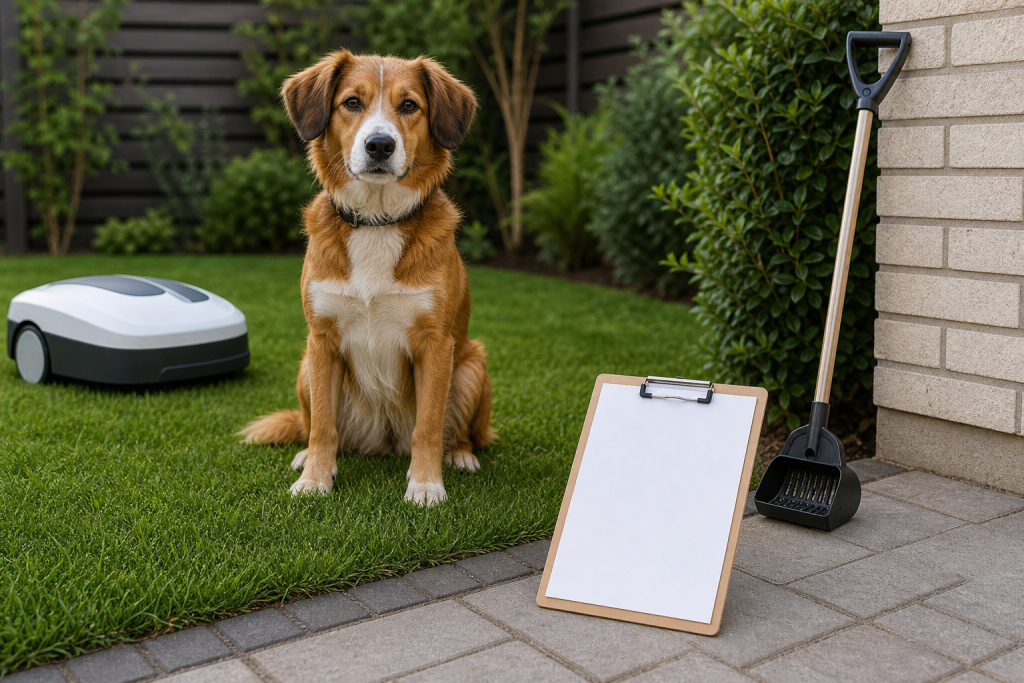
A dog poop-scooping robot can sound like the perfect backyard shortcut, but shoppers should treat most of these deals like a high-risk pet-tech purchase, not a proven chore fix. Before paying, verify that the product is actually shipping, works on your yard surface, has clear waste handling, and comes with support and returns you can use. For many dog owners, a simple scooper, waste bags or a local cleanup service will still be the safer buy.
The idea is getting attention because pet owners are already buying more smart home gear, robot vacuums and yard gadgets. It also arrives at the exact time many households are dealing with summer lawn use, travel, guests and more frequent backyard cleanup. The problem is that dog waste is not just another leaf or toy on the grass. A device has to detect irregular objects, avoid smearing, handle weather, stay away from pets and people, and still leave you with a clean way to empty the container.
Why this deal is tempting right now
Pet owners already understand the appeal of automation. Robot vacuums, smart feeders, cameras and app-connected litter boxes have made repetitive pet chores feel more manageable, even when they add subscriptions, replacement parts and setup work. A yard robot that claims to find and collect dog waste fits the same mental shortcut: pay once, skip a job nobody enjoys.
Search demand is there too. Recent shopping results show strong interest in pooper scoopers, outdoor pet waste stations, robot cleaning devices and smart pet products. Older viral coverage of dog waste robots also keeps resurfacing, which can make a concept look more available than it really is. That is the first checkout trap. A clever video, prototype article or marketplace listing is not the same thing as a supported product you can return if it fails on your lawn.
The first thing to verify before checkout
Start with availability. Look for a real product page from the seller or manufacturer, a clear shipping date, a warranty, a physical business contact and a return policy that covers opened or tested devices. If the product is a preorder, crowdfunding campaign or vague “coming soon” gadget, treat the money as riskier than a normal pet-supply purchase.
Then check what the robot is actually designed to do. Some pet owners search for a “dog poop robot” and find ordinary robot vacuums, robot mowers, pet waste stations or manual scoopers with modern branding. Those are different products. A robot vacuum that advertises pet hair pickup is not a yard waste collector. A robot mower that avoids obstacles is not necessarily safe around dogs, dog toys or waste.
The yard test most listings skip
A dog waste robot has to work where your dog actually goes. Before paying, check whether the product supports thick grass, uneven lawns, slopes, mulch, gravel, wet ground, leaves, low light and fenced boundaries. A clean demo on short, dry grass does not tell you much about a real backyard after rain.
Also check the waste container. Ask how much it holds, how it seals, how you empty it, whether bags are proprietary and how the device prevents odor or leakage while it moves. If a listing talks mostly about artificial intelligence but barely explains the container, cleaning steps or replacement parts, the deal is not ready for a casual checkout.
What a real buying checklist should include
- Shipping status: in stock, preorder, waitlist or concept.
- Return terms: whether outdoor use, opened packaging or pet-waste contact voids the return.
- Yard limits: grass height, slopes, rain, mud, boundaries, debris and night use.
- Pet safety: obstacle detection, emergency stop, supervised first runs and whether pets must be indoors during operation.
- Waste handling: container size, bags, odor control, cleaning and where the waste ends up.
- App requirements: account setup, Wi-Fi range, phone compatibility, firmware updates and data collection.
- Parts and service: wheels, brushes, scoop mechanism, batteries, blades if combined with mowing, and support availability.
Deal and coupon checks before you pay
Do not judge this category by the discount badge. A large percentage off a device that is not proven, not returnable or not supported is not a meaningful pet deal. Compare the full cart against manual scoopers, waste bags, outdoor waste stations and local cleanup services. Those options are less exciting, but they are easier to verify and replace.
If a coupon applies only to a preorder, read whether refunds are cash, store credit or delayed until shipment. If a marketplace seller uses a brand name you do not recognize, check the seller history, return address, warranty owner and whether replacement bags or parts are sold separately. Keep screenshots of the listing, promised ship date and return policy before ordering.
What to avoid
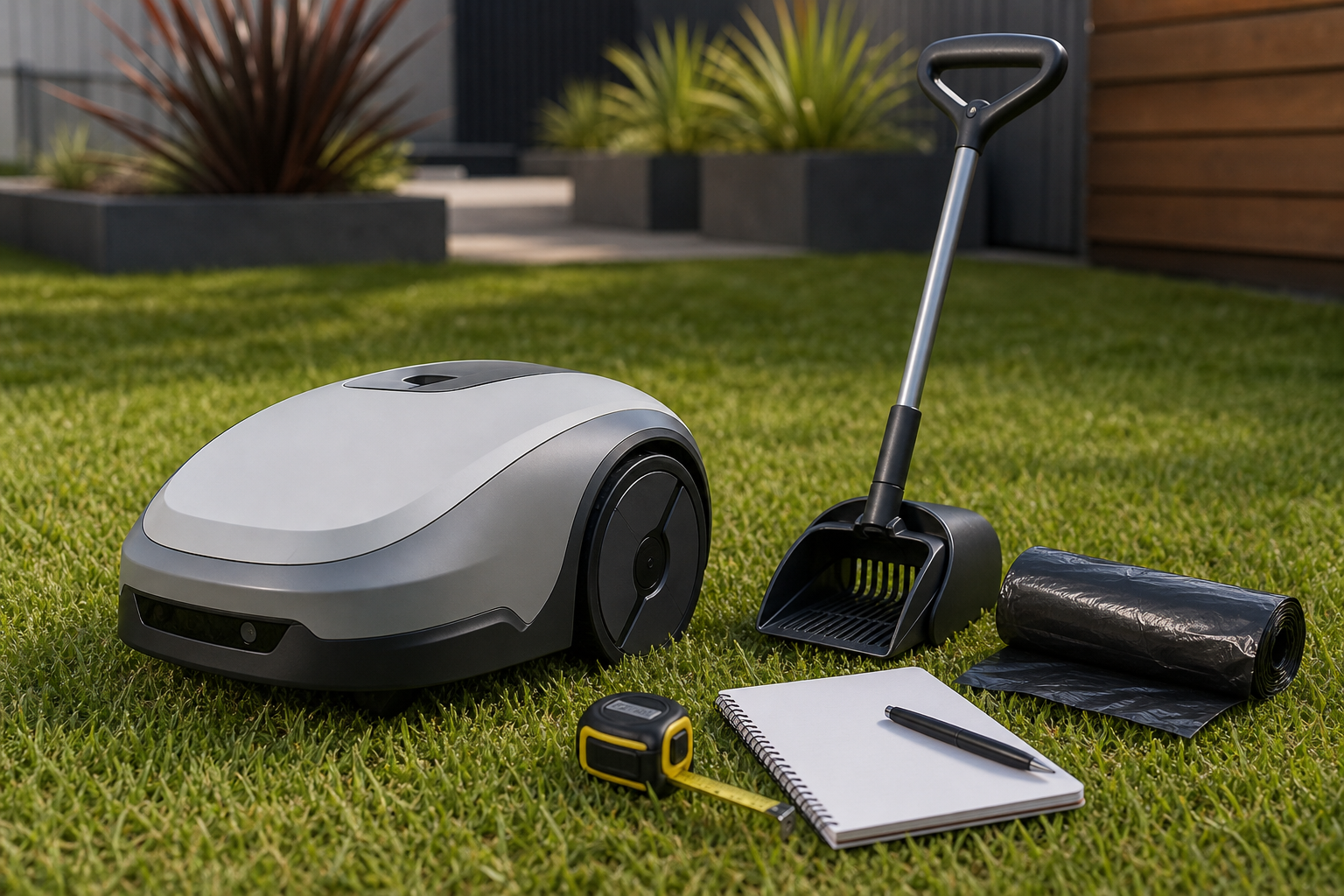
Avoid any listing that shows only recycled viral clips, computer renders or edited videos without a current seller page and support policy. Avoid claims that the device can replace supervision around pets. Avoid using a robot mower or indoor robot vacuum as a substitute for yard waste cleanup unless the manufacturer specifically supports that use.
Be careful with “AI” language. Object detection can be useful, but a shopper still needs plain answers: what happens when the waste is soft, hidden in tall grass or mixed with leaves? What happens if the dog walks into the path? What happens when the container is full? If the listing cannot answer those questions, the smart feature is not enough reason to buy.
When a simpler product is the better deal
For a small yard, a sturdy rake-and-bin scooper may be the better value. For a large yard or multiple dogs, a pet waste station, bulk bags or recurring cleanup service may be easier to budget than an unsupported robot. For owners with mobility limits, the better purchase may be a long-handled scooper, a local service or a clearly returnable tool rather than a speculative gadget.
The robot category may become more useful over time. Until then, the smart move is to buy only when the seller proves the basics: real shipping, clear yard limits, safe operation, clean waste handling, replaceable parts and a return path that survives real outdoor testing.
Quick answers
Are dog poop-scooping robots widely proven products?
Not yet. Shoppers can find viral concepts, robot cleaning adjacent products and ordinary pooper-scooper listings, but that is not the same as a widely supported yard robot with clear returns and parts.
Should I buy one from a marketplace listing?
Only after checking the seller, warranty, shipping status, return terms and real customer support. If the listing cannot explain yard limits and waste handling, skip it.
Can a robot vacuum or robot mower handle dog waste?
Do not assume that. A robot vacuum, mower or obstacle-avoidance device is built for its own use case. Check the manufacturer’s instructions and keep pets supervised around moving equipment.
What is the safest cheap alternative?
A sturdy manual scooper, reliable waste bags and a consistent pickup routine are still the most predictable low-cost option for most yards.
Sources
Sources last checked: July 31, 2026, 13:37 Europe/Rome.
- Amazon Best Sellers, Pooper Scoopers category, used as a current shopping-demand signal for manual dog waste tools: https://www.amazon.com/Best-Sellers-Pooper-Scoopers/zgbs/pet-supplies/3052415011
- Consumer Reports, Best Pooper-Scoopers of 2026, used for the existence of current manual scooper testing and category context: https://www.consumerreports.org/home-garden/pets/best-pooper-scoopers-a6518202496/
- OddityMall, Beetl autonomous dog poop robot coverage, used only as historical viral-concept context, not as proof of current availability: https://odditymall.com/beetl-autonomous-dog-poop-robot/
- DJI, robot vacuum guide for pet hair cleaning, used as a current example that pet cleaning robots still require product-specific capability checks: https://www.dji.com/media-center/insights/cleaning-tips-for-pet-owners-robot-vacuum-guide
- Amazon listing examples for outdoor dog waste stations and pet waste bags, used as marketplace evidence that non-robot waste tools remain common alternatives: https://www.amazon.com/