
#dog sun protection
#dog sunscreen
#pet deals
#summer pet supplies
A dog sunscreen deal is only useful if the formula is actually appropriate for your dog and the outing you are planning. The big checkout mistake is buying a random human sunscreen, a scented spray or a vague “pet-friendly” product without checking the ingredient list, your dog’s lick risk, the return policy and whether shade or sun clothing would work better.
That matters more as owners plan beach days, lake trips, camping weekends and longer summer walks. Recent shopping coverage has pushed dog sunscreen back into pet owners’ carts, but the safer purchase is not simply the cheapest bottle with a paw print on it. It is the product, clothing or shade setup that fits your dog’s coat, skin exposure and routine, with your veterinarian involved when your dog is high risk or has skin problems.
Why This Is Showing Up In Carts Now
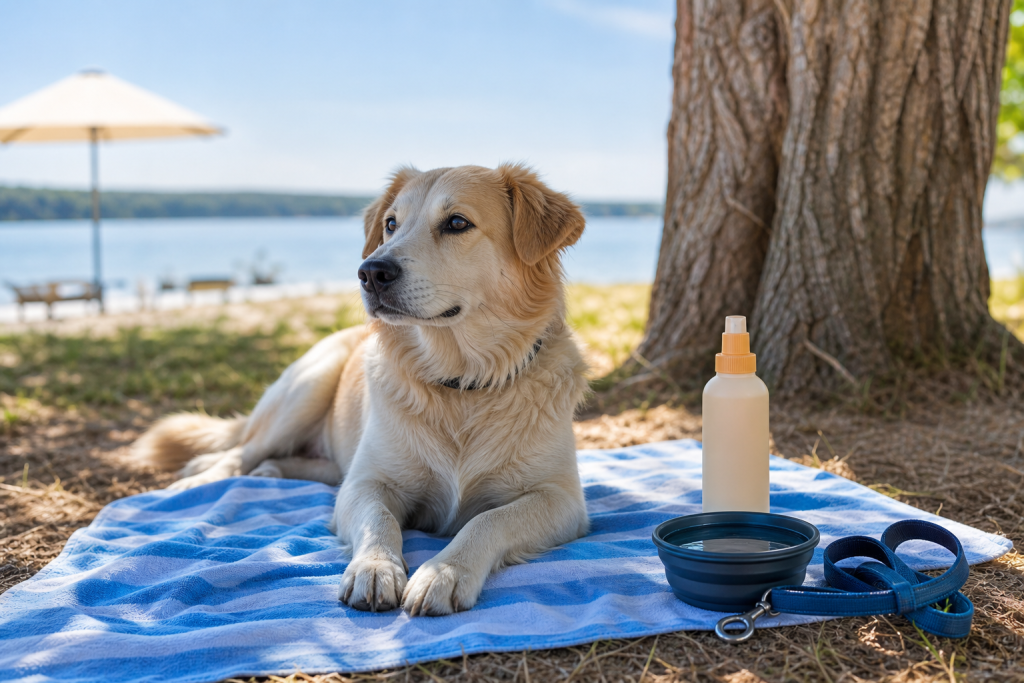
Summer pet shopping is not just cooling mats and travel bowls. Dogs with white or thin coats, light noses, exposed bellies, short hair, hair loss or hairless breeds can be more vulnerable to sun exposure, according to the American Kennel Club. The AKC also notes that sun protection is not only a beach issue, because dogs can burn while lying on patios, concrete or other bright surfaces.
The CDC’s heat guidance for pets also keeps the broader point simple: hot-weather plans need water, shade and safer timing, not just another product. Sunscreen can be part of a summer kit for some dogs, but it should not make owners more comfortable keeping a pet in direct sun during the hottest part of the day.

The Label Checks That Matter Before You Pay
Start with the front of the product, then spend more time on the back. “For dogs” or “pet-friendly” is not enough on its own. ASPCA guidance warns that pet sunscreens are usually not tested by the FDA, so owners should not treat a marketing claim as proof of effectiveness.
For dog sunscreen shopping, check these details before checkout:
- No zinc oxide or PABA: AKC guidance says dog sunscreen should not contain zinc oxide or para-aminobenzoic acid, often shortened to PABA, because dogs may lick sunscreen and ingest it.
- Low lick risk: sprays and lotions used around the nose, ears and belly need careful application. If your dog immediately licks everything, ask your vet whether clothing, shade or shorter outings are the better first choice.
- Unscented and water resistant: fragrance can be an avoidable irritant, and water resistance matters if the product is for a beach, pool or lake day. Still, water resistant does not mean set-and-forget.
- Clear application directions: avoid products that do not clearly explain where to apply, how long before sun exposure to apply and when to reapply.
- Reasonable size: a large discounted bottle is not a bargain if it expires, separates in heat or gets chewed before you use it.
Also compare sunscreen with a dog sun shirt, rash guard or shade canopy. For some dogs, protective clothing covers more skin with less licking risk. For others, clothing can trap heat or fit poorly, so sizing and supervision still matter.
The Deal Math: Cheap Can Still Be Expensive
A discounted dog sunscreen can fail as a deal in three common ways. First, the ingredient list may be wrong for pets, which means the product should not go on your dog at all. Second, the return terms may not help once the bottle is opened, used at the beach or bought from a third-party seller. Third, the product may not be the main thing your dog needs, especially if shade, water, a shorter route or a sun shirt would reduce exposure more reliably.

Before paying, verify the final cart price, shipping threshold, seller name, return window and whether the product is sold directly by a retailer you trust. Chewy’s posted return policy is broad for many pet items, while retailer policies vary and can have exclusions. If a marketplace listing looks cheaper, check whether returns go through the marketplace, the seller or the brand.
Do not assume a coupon code makes the purchase safer. A sunscreen coupon is useful only after the product passes the ingredient and use-case checks.
What To Avoid
Avoid grabbing your own sunscreen from the beach bag and using it on your dog without reading the active ingredients. Human sunscreen labeling is built for people, and FDA sunscreen information is about human over-the-counter sunscreen products, not proof that a product is appropriate for pets.
ASPCA Poison Control material also flags a practical household risk: dogs may chew or swallow the tube itself, not just lick the formula. Keep sunscreen containers, after-sun products and medicated creams out of reach, especially in a beach tote or open travel bag.
Skip products with vague ingredient lists, heavy fragrance, miracle language, fake “vet approved” badges with no supporting details, or listings that hide the seller until the final cart page. Also be cautious with sunscreens marketed for both people and pets unless your veterinarian has reviewed the exact product for your dog.
When To Ask Your Vet First
Ask your veterinarian before choosing sunscreen if your dog has a skin condition, recent surgery site, hair loss, autoimmune disease, a history of product reactions or visible sunburn. Also ask if you have a hairless breed, a very light-coated dog, a senior dog, a puppy or a dog that will not tolerate sunscreen without licking.
If you see red, warm, flaking or painful-looking skin after sun exposure, move your dog out of the sun and contact your veterinarian for advice. This article is shopping guidance, not a diagnosis or treatment plan.
Quick Answers
Can I use baby sunscreen on my dog?
Only if your veterinarian says the exact product is appropriate. Many human sunscreens can include ingredients that are not suitable for dogs, and “gentle for babies” is not the same as dog-safe.
Is sunscreen enough for a beach day?
No. Shade, fresh water, timing, breaks from direct sun and avoiding hot surfaces still matter. Sunscreen is one tool, not permission to keep a dog outside longer than is comfortable or safe.
Are dog sun shirts worth buying?
They can be, especially for dogs that lick lotions or need coverage over larger areas. Check fit, fabric, heat comfort, wash instructions and return terms before buying.
Should cats use sunscreen too?
Cats can also be sensitive to sun exposure, but they groom heavily and products can be risky. Ask your veterinarian before applying any sunscreen to a cat.
Sources
Last checked: 2026-05-31 19:33 Europe/Rome.
- American Kennel Club, “Do Dogs Need Sunscreen?”
- ASPCA, “Pets and Sunscreen: Don’t Get Burned by the Myths!”
- ASPCApro, “Sunscreen and Zinc Oxide Ingestion in Pets”
- CDC, “Heat and Pets”
- FDA, “Sunscreen: How to Help Protect Your Skin from the Sun”
- NBC Select, “Do Dogs Need Sunscreen? What To Know, According to Veterinarians”
- Chewy return policy