
#dog training
#dog treat pouch
#pet deals
#training treats
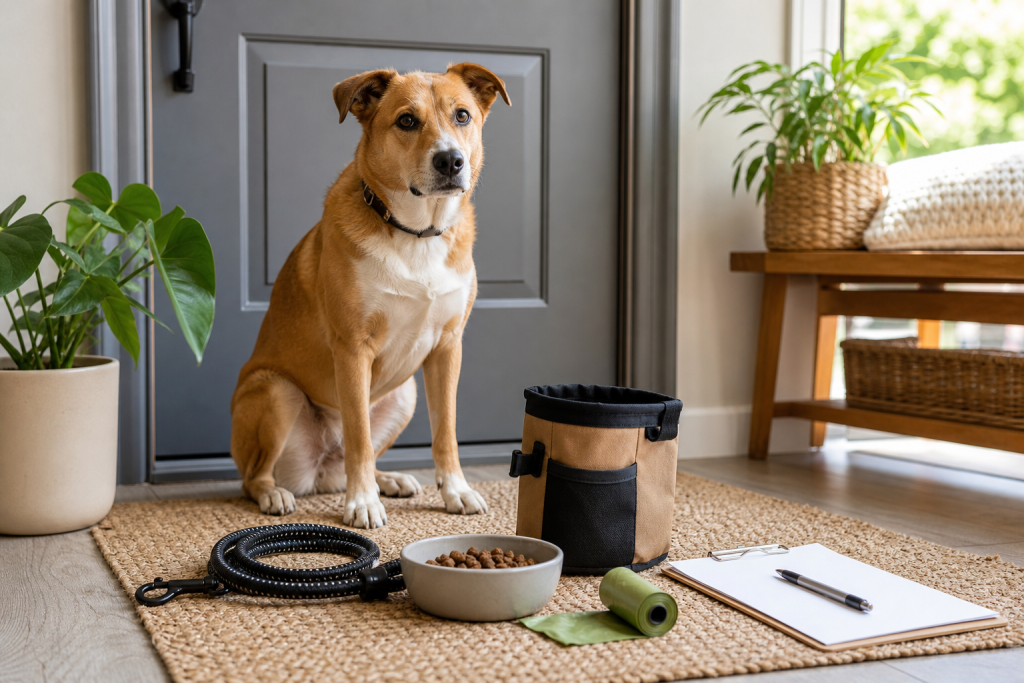
A cheap dog treat pouch can be a bad deal if it spills, traps crumbs, or cannot be cleaned after a few walks. The right one is not the pouch with the most pockets. It is the one you can open with one hand, close quickly, wash properly, and return if the clip, belt, or liner does not work for your routine.
That matters now because dog walking and training accessories are being pushed hard in early summer sale coverage, including the run-up to Amazon Prime Day 2026 from June 23 to June 26. Treat pouches look simple, but the checkout mistake is buying a tiny fabric bag for messy rewards, a magnetic pouch that opens when you bend down, or a bulky walking bag that is annoying enough to leave at home.
Why this small dog item gets expensive
A treat pouch is supposed to make reward-based training easier. The American Veterinary Society of Animal Behavior supports reward-based training methods, and food is one common reinforcer in low-stress training situations. That does not mean every pouch is useful, especially if it slows you down when you need to reward quickly.
The hidden cost is replacement. Owners often buy a low-cost pouch, discover it drops treats when they jog, smells after soft treats, or falls off a waistband, then buy another design. Before you pay, decide whether you need a simple training pouch, a walking bag with storage, or a washable liner for higher-value treats.
What to check before adding one to cart
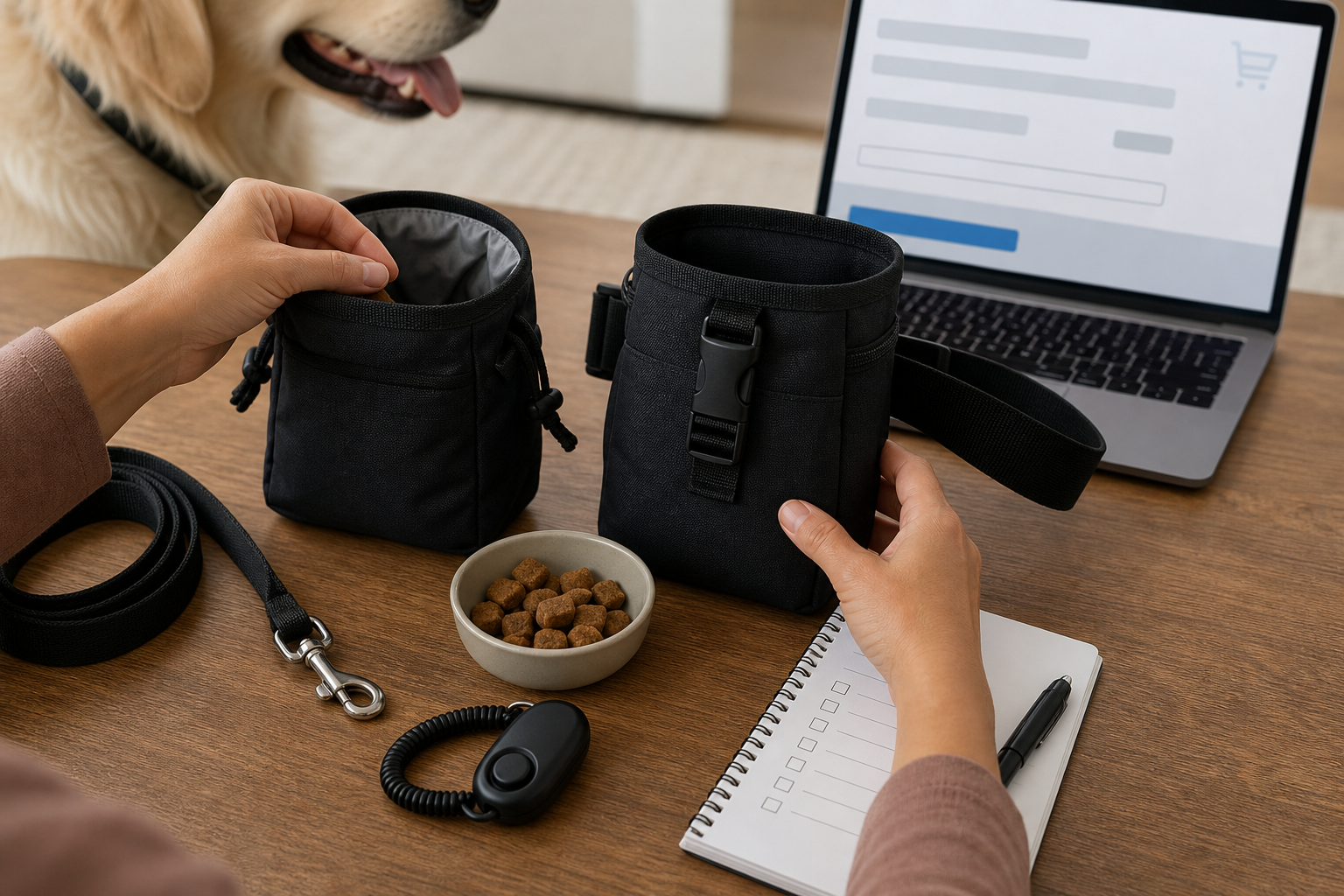
- Closure: A pouch should close fast enough to stop spills but open easily with one hand. Magnetic closures are convenient, but check whether reviews mention treats falling out when owners bend, run, or sit.
- Cleaning: If you use soft, oily, or moist treats, look for a removable washable liner or a material with clear cleaning instructions. A pouch that cannot be cleaned becomes a crumb trap.
- Attachment: Belt clips can pop off thin waistbands. Waist straps are more stable but may feel bulky. Some owners need both options.
- Capacity: A tiny pouch may be fine for short reinforcement sessions. Longer walks, puppy classes, or multi-dog homes may need more room, but bigger is not always better if the bag swings around.
- Separate storage: Do not let loose treats, keys, waste bags, and a phone fight for the same pocket. Crumbs and moisture can make a pouch unpleasant quickly.
- Return terms: Fit on your body matters. If the pouch bounces, opens, or sits awkwardly, you need to know whether the retailer accepts returns after a careful indoor try-on.
The deal check most owners skip
Do not compare treat pouches by the sale badge alone. Compare the total setup: pouch, waist belt if separate, liner, replacement clips, shipping threshold, and return shipping. A two-pack can still be wasteful if both pouches have the same weak closure or the same non-washable lining.
For marketplace listings, check the seller name, recent reviews, exact dimensions, material details, and whether product photos rely on unreadable size graphics. If a listing says the pouch is easy to clean but does not say how, assume you may be hand-washing crumbs out of seams.
Safety and hygiene mistakes to avoid
A treat pouch is not just a bag. It touches food, hands, clothes, floors, leashes, and sometimes dog saliva. The CDC advises cleaning pet supplies with soap and water, and food-contact items need more attention when they hold wet or sticky rewards.
Avoid leaving treats in the pouch between sessions, especially soft treats. Empty crumbs, let the pouch dry, and follow the care label. If the product has no cleaning instructions, that is a reason to pause before buying, not a tiny detail to ignore.
Also avoid using a treat pouch as a substitute for a training plan. If your dog guards food, jumps hard for treats, bites at hands, or becomes overstimulated around rewards, work with a qualified positive-reinforcement trainer or ask your veterinarian for a referral. The pouch should support safer timing, not encourage chaotic treat delivery.
When a cheap pouch is good enough
A budget pouch can be perfectly sensible if you use dry treats, train in short sessions, and only need a clip-on holder for walks. In that case, prioritize a secure closure, simple cleaning, and a clip that matches your clothing. Skip expensive extras if you already carry waste bags, keys, and a phone elsewhere.
Spend more only when the feature solves a real problem. A washable silicone liner matters if you use soft food. A waist belt matters if clips keep falling off. Extra pockets matter if you genuinely want one walking bag instead of several separate items.
Quick answers
Is a silicone treat pouch better than fabric?
Not always. Silicone can be easier to wipe or rinse, while fabric may sit more comfortably against your body. The right choice depends on treat type, cleaning habits, and whether the closure stays shut during movement.
Should a treat pouch have a poop bag holder?
Only if you will use it. Built-in dispensers can be convenient, but they also add bulk. Check whether the roll is easy to replace and does not steal space from treats.
Can I put wet food or cheese in a treat pouch?
Only if the pouch or liner is designed for messy treats and can be cleaned thoroughly. Otherwise, use a washable container or choose drier rewards.
Is a treat pouch worth buying for a puppy?
Often, yes, because fast reward timing helps with short training moments. Choose a washable, secure pouch and keep the rewards appropriate for your puppy’s diet. Ask your veterinarian if you are unsure about treat amounts or food sensitivities.
Sources
Sources last checked June 22, 2026, Europe/Rome. American Veterinary Society of Animal Behavior, Humane Dog Training Position Statement; AVSAB, Talking Terms: Positive Reinforcement; CDC, Cleaning and Disinfecting Pet Supplies; ABC News / Good Morning America, Prime Day 2026 early pet deal context; AKC, Amazon Prime Day Dog Deals; FTC, Online Shopping; Chewy, return policy.