
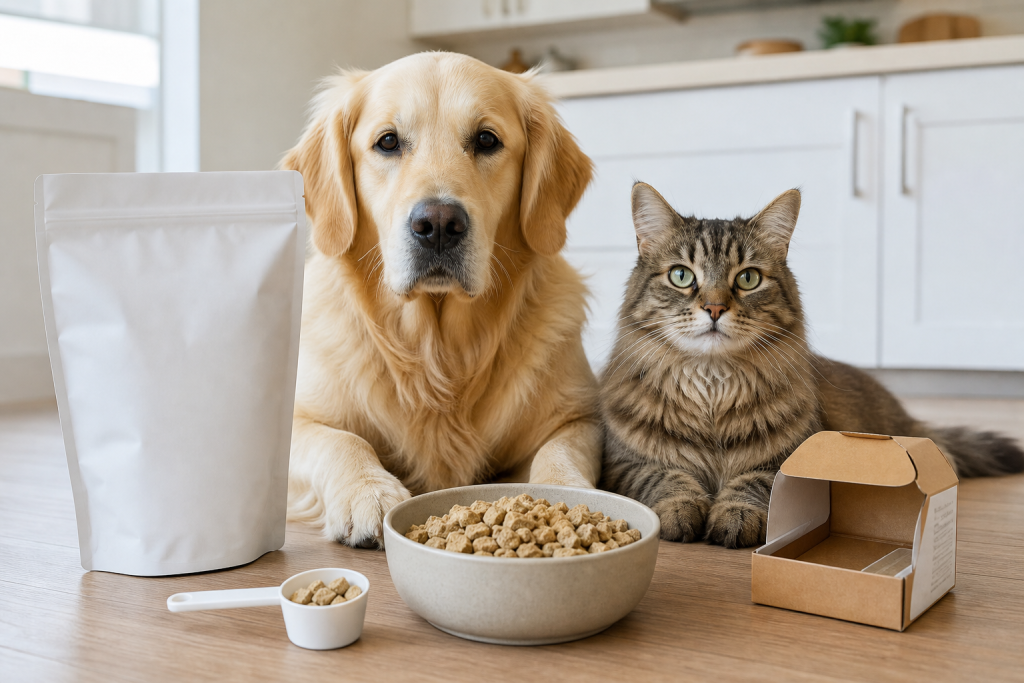
#cat food
#dog food
#freeze-dried raw pet food
#pet food deals
#raw pet food
A freeze-dried raw pet food deal can look cheaper than kibble or wet food until you check the scoop size, safety instructions and whether the bag is a complete diet or just a topper. The smart move is to price it by daily serving, keep the original package details, and treat “freeze-dried” as a handling claim, not a guarantee that every germ risk is gone. If your dog or cat has a medical condition, is very young, is pregnant, or lives with people at higher risk from foodborne illness, ask your vet before switching.
Freeze-dried and air-dried pet foods are especially visible in 2026 because brands are pushing premium formats, novel proteins, toppers and “raw-inspired” diets. PetfoodIndustry reported from Global Pet Expo 2026 that air-dried and freeze-dried formats were still active in new dog food launches, including complete diets, toppers and hybrid products. That does not make every pouch a good buy. It makes the checkout page easier to misread.
Why the discount can be misleading
The first trap is serving math. Freeze-dried pieces look light, and a bag may seem large in photos, but the real cost depends on how many ounces or grams your pet needs each day after any rehydration instructions. A bag that works as a topper for three weeks might last only a few days as a full meal for a large dog.
The second trap is the label. AAFCO says pet owners should choose food labeled for the pet’s species, life stage and condition, then follow the feeding directions. That matters with freeze-dried raw foods because some products are complete and balanced meals, while others are treats, mixers or toppers. If the label says “for intermittent or supplemental feeding only,” it is not meant to replace a complete diet.
The checkout checks that matter most
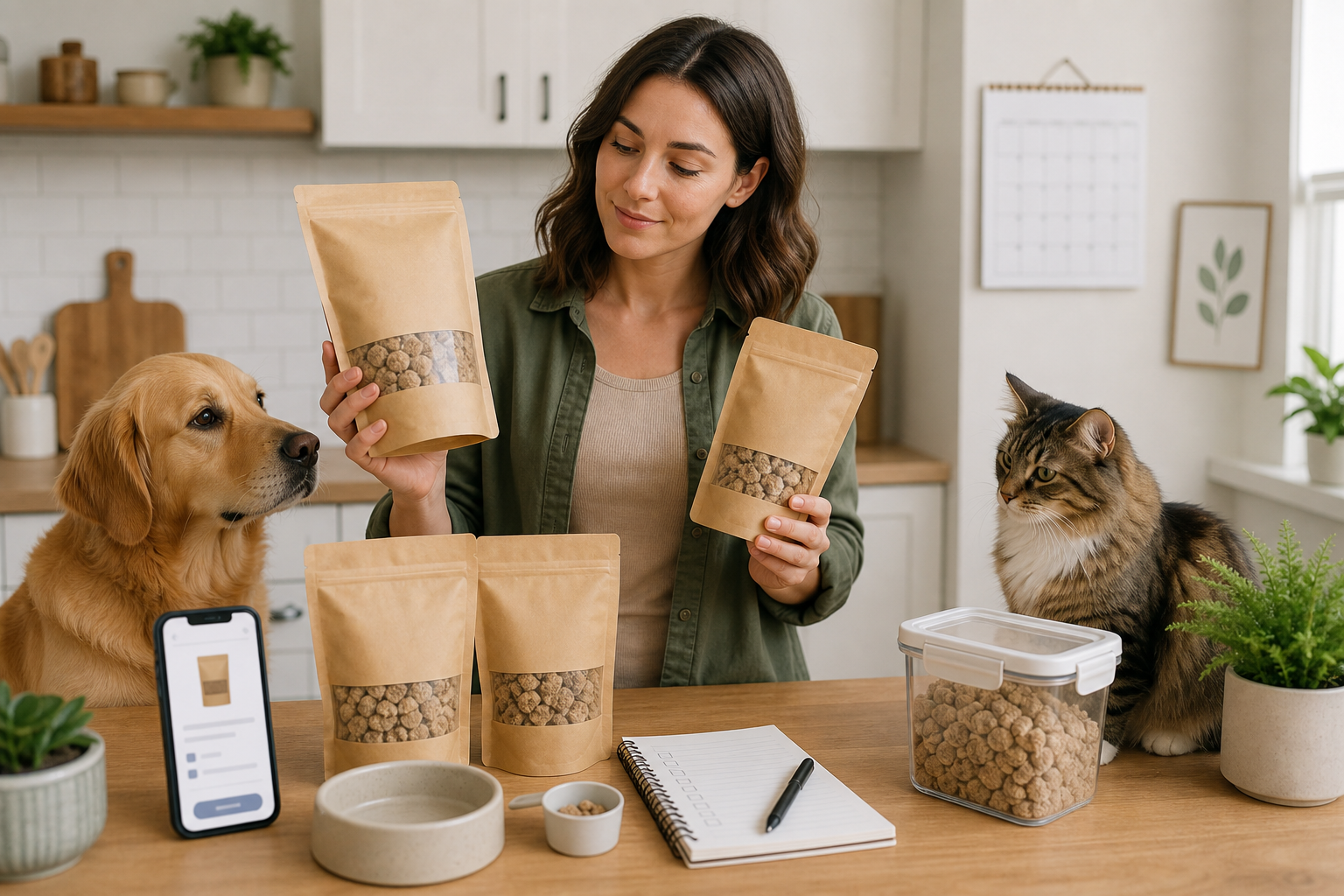
Before you buy a discounted pouch, answer these questions from the product page and label photos, not from the front-of-bag marketing alone:
- Is it made for dogs, cats or both? Cats and dogs do not have identical nutrient needs.
- Is it complete and balanced for your pet’s life stage, or is it a topper, treat or supplement?
- Does the feeding table show the daily amount for your pet’s current weight and condition?
- Does the seller show calories per cup, ounce, piece or gram so you can compare cost per day?
- Does the package say whether to feed dry, rehydrate, refrigerate after opening, or discard leftovers after a set time?
- Can you keep the original package, lot code, best-by date and feeding directions until the food is finished?
- Does the company explain its food-safety controls, such as final-product testing or pathogen-reduction steps?
That last point is not a luxury detail. CDC says raw meat and other raw animal protein can contain germs such as Salmonella and Listeria, and that freeze-drying, dehydrating or freezing only reduces germs rather than killing all of them. CDC also suggests buying from credible companies and asking about final-product testing and steps used to kill germs in raw pet food products.
Do not confuse shelf-stable with risk-free
Freeze-dried raw food is often sold as convenient because it does not require freezer space before opening. That convenience is real, but it should not turn into sloppy handling. FDA says raw pet food poses significant risks to both pets and owners, and the agency’s safest prevention advice is not to feed raw diets. FDA also recognizes that some owners still choose raw foods, so the practical question at checkout is whether you are prepared to handle the product carefully every day.
If you do buy it, treat bowls, scoops, counters and hands as part of the cost. You may need extra washable bowls, a sealed storage container, a dedicated scoop, more frequent cleaning and a plan for leftovers. If the food has to be rehydrated, check how long it can sit out and whether your pet reliably finishes meals. A product that wastes half the serving is not a deal.
When a smaller bag is the better deal
Bulk packs are tempting when the unit price drops, but freeze-dried raw food is a bad category for blind stockpiling. Buy the smallest practical size first if your pet has never eaten the product. You are testing smell, texture, stool tolerance, portion size, storage, and whether the food fits your actual routine.
This is especially important for cats. A cat may reject a new texture even when the ingredient panel looks impressive. It also matters for dogs with sensitive stomachs or pets already eating a veterinary diet. Do not use a coupon to make a major diet change without checking with your veterinarian when medical needs are involved.
Deal and coupon checks before you pay
Do not judge the deal by the promo banner alone. Compare the cart total after shipping, autoship settings and any minimum order threshold. If the discount requires a subscription, check the renewal price, delivery frequency, cancellation timing and whether the food will arrive faster than your pet can safely finish it.
Return policies also matter because pet food preferences are not predictable. Petco’s published policy says many items can be returned within 60 days, with specific timing and refund-method details. Chewy’s return page says eligible returns can include opened pet food and litter within 365 days. Policies change, and they can vary by item type, prescription status and seller, so confirm the exact terms at checkout instead of assuming every food order is easy to return.
Also check the seller. A marketplace discount is not useful if the listing hides the manufacturer, ships short-dated food, or separates the product from traceable packaging. For pet food, the original package is part of the safety record. Keep it until the last serving is gone.
What to avoid
- A “raw” or “ancestral” claim with no clear complete-and-balanced statement.
- A giant bag for a first trial, especially for a picky cat or a dog with known stomach sensitivity.
- A topper being used as the only food because the front label looked meal-like.
- Any product listing without lot, best-by, feeding, calorie or storage information visible before purchase.
- Switching a puppy, kitten, pregnant pet, senior pet or medically managed pet without veterinary guidance.
- Feeding raw-style food in a household where safer handling is not realistic.
Quick Answers
Is freeze-dried raw pet food automatically safer than frozen raw food?
No. CDC says freeze-drying, dehydrating or freezing raw animal protein can reduce germs but does not kill all germs that might be on the food.
Can a freeze-dried raw food be a complete meal?
Some can, but you have to verify the nutritional adequacy statement and feeding directions. If it is labeled for intermittent or supplemental feeding only, treat it as a topper, treat or supplement.
Is a big bag cheaper?
Only if your pet will eat it, the daily serving math works, the food stays usable after opening, and the seller’s return terms protect you if the product is a poor fit.
Should I ask my vet first?
Yes if your pet has a health condition, is on a therapeutic diet, is very young, is pregnant or nursing, or if anyone in the household is at higher risk from foodborne illness.
Sources
Last checked: 2026-06-02 13:34 Europe/Rome.
- PetfoodIndustry, air-dried and freeze-dried raw formats at Global Pet Expo 2026
- CDC, About Pet Food Safety
- FDA, Get the Facts! Raw Pet Food Diets can be Dangerous to You and Your Pet
- FDA, Tips for Safe Handling of Pet Food and Treats
- AAFCO, Selecting the Right Pet Food
- AAFCO, Reading Labels
- Petco, Return Policy
- Chewy, Return Policy