
#dog safety gear
#GPS dog fence
#pet tech deals
#smart dog collars
#virtual dog fence
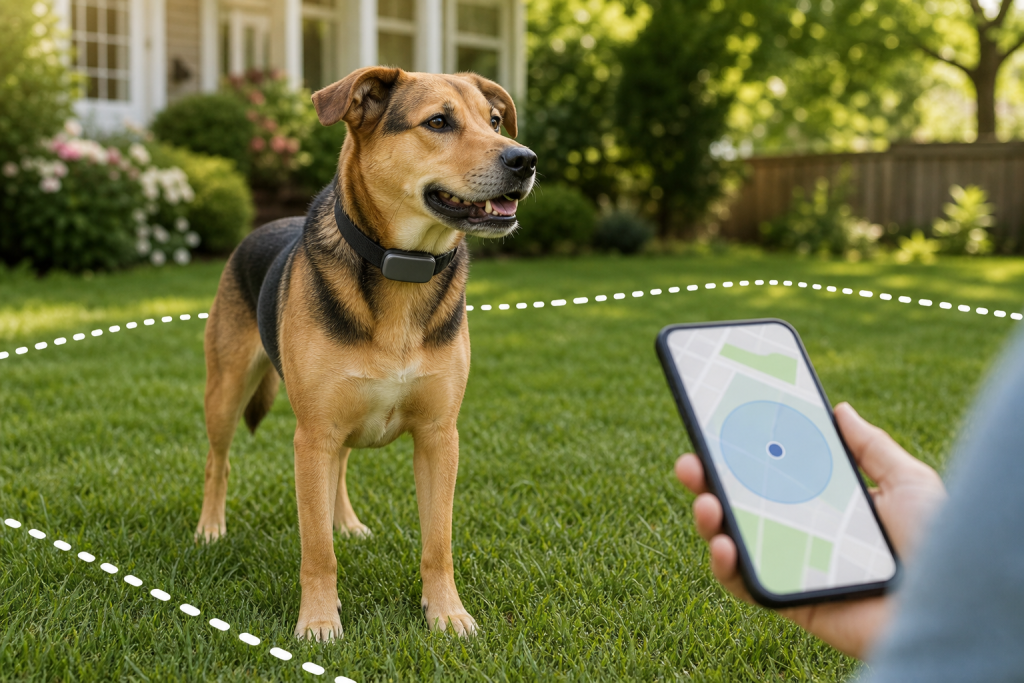
A GPS dog fence deal can fail if the collar price looks good but your yard, subscription, signal, training plan or return window does not fit the product. These systems can be useful for some dogs and properties, but they are not a magic replacement for a secure boundary, supervision or a trainer’s guidance. Before you buy, check the recurring fees, minimum yard size, battery rules and what happens if your dog crosses the virtual line.
Why GPS Dog Fences Are Getting Attention Now
Pet tech is still expanding in 2026, and Interzoo’s May 2026 trend report pointed to smart technologies that promise to make life with pets safer, easier and more comfortable. GPS collars and virtual fences fit that trend because they offer flexibility for yards, travel properties and homes where a physical fence is not simple.
The shopping problem is that “wireless” can make the purchase sound simpler than it is. A virtual fence is still a connected device with a collar, battery, app, training process, support policy and, in many cases, a paid plan. If any of those pieces are wrong for your dog or property, the checkout discount may not matter.
The Yard Checks To Make Before Checkout
Start with your actual property, not the product video. GPS systems need an outdoor area where the collar can read position reliably. Trees, buildings, narrow side yards, metal structures and nearby roads can all make the margin for error more important.
One useful example is SpotOn’s own product FAQ, which says its system is recommended for properties of at least one-third acre and that the fence should be at least 80 feet wide at the narrowest point. That does not mean every GPS fence has the same limit, but it shows why small lots, strips beside a driveway and front-yard boundaries close to traffic need extra caution.
Ask these questions before paying:
- Is your usable outdoor space wide enough for the brand’s warning zone and correction zone?
- Does the system need open sky, cellular service, Wi-Fi setup or a phone connection for the features you want?
- Can the collar store the fence if the phone is not nearby?
- Does the product support your dog’s weight, neck size and coat type without awkward contact or slipping?
- Is the boundary far enough from roads, pools, neighboring dogs and other hazards?
The Subscription Detail That Changes The Real Price
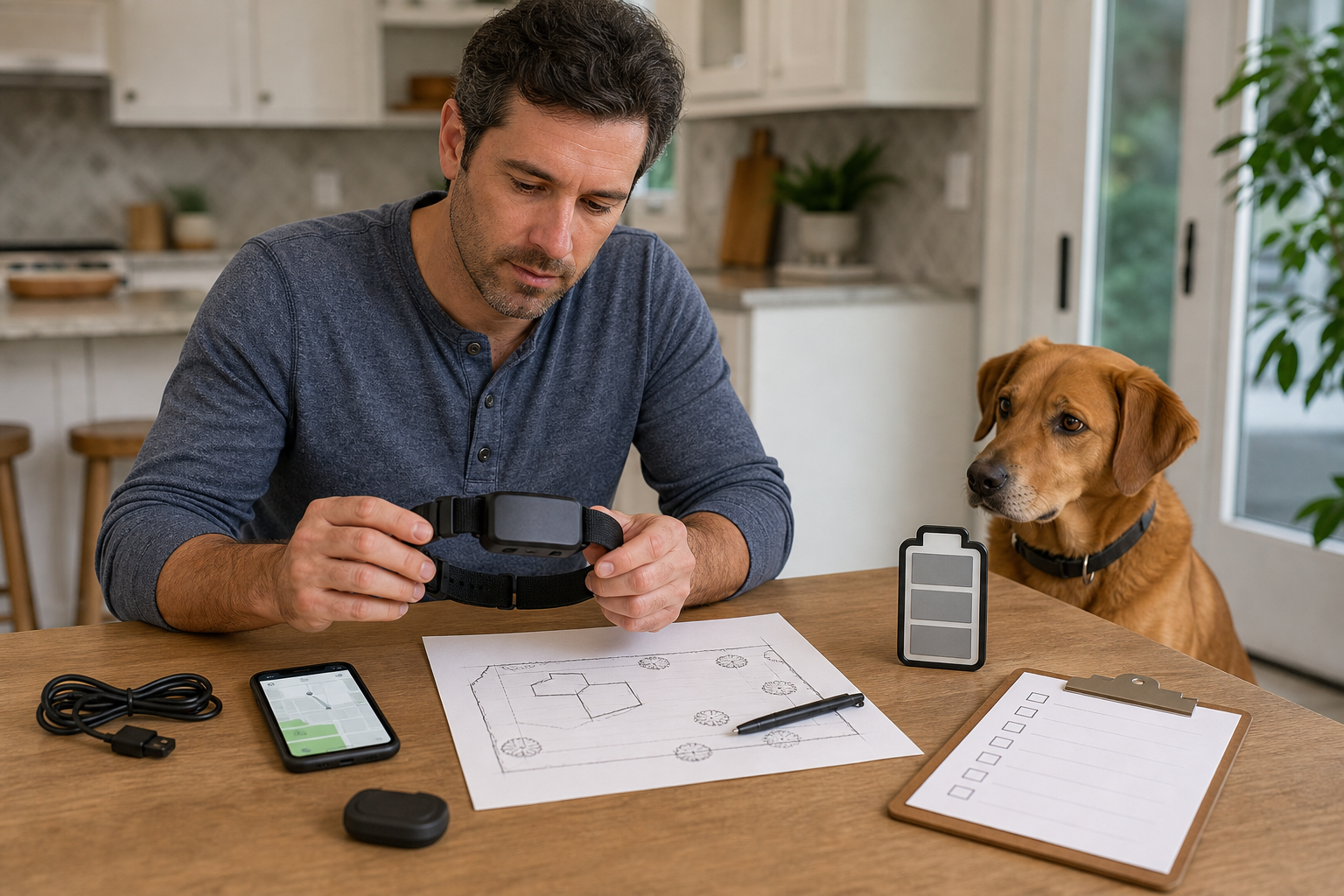
Do not compare GPS dog fences by collar price alone. Some features may require a membership or cellular plan, and the rules vary by brand.
Halo’s help center says an active membership is required to add a collar to an account, use Halo Fences and begin Halo Training. Halo also says owners returning a collar should cancel the membership to avoid continued monthly billing. SpotOn, by contrast, says containment can work without cellular service, but tracking, escape alerts, app location and other deeper controls require a cellular subscription.
That difference matters at checkout. A cheaper collar with a required plan may cost more over two years than a more expensive collar with fewer required recurring fees. Multi-dog homes should also check whether every dog needs a separate collar, whether plans are per collar or per household, and whether a bundle discount can be combined with any sale.
Deal And Coupon Checks Before You Pay
GPS dog fence promotions can be hard to compare because the headline deal may apply only to the device, not the plan, accessories or replacement parts. Before entering a coupon code, check the final cart and the brand’s terms.
- Confirm whether the discount applies to the collar, the subscription, extra batteries, chargers, protection plans or only one SKU.
- Check when the subscription starts, especially if the collar ships later or is a gift.
- Read whether returns include the full device price, shipping, taxes, membership fees and protection plans.
- Look for exclusions for animal-induced damage, customer damage, opened accessories and refurbished replacements.
- Screenshot the cart only for your records. Do not assume the same promo will work later.

Training Is Not An Optional Add-On
A GPS fence is still a training product. VCA Animal Hospitals notes that invisible fence success requires a training period where the owner and dog learn the perimeter. AKC also cautions that no containment method is completely escape-proof, including physical fences.
If your dog is anxious, reactive, noise-sensitive, elderly, very young or likely to chase wildlife, talk with your veterinarian or a qualified positive-reinforcement trainer before using any aversive boundary system. This is especially important because several animal-welfare organizations object to electric shock collars and virtual fences. The RSPCA Knowledgebase says it opposes devices that deliver electric shocks or stimuli, including virtual fences, because of welfare concerns.
Even if you decide the product is appropriate for your dog, do not skip the training schedule to “test” the collar. A device that surprises a dog at the boundary can create fear, confusion or a run-through problem instead of a reliable yard habit.
What To Avoid
- A GPS fence used beside a busy road before you know how much boundary drift the system has on your property.
- A collar that depends on a plan you are not willing to keep paying for.
- A product with vague software-support, app-support or replacement-part information.
- A return policy that expires before you can train, test signal quality and judge fit.
- Any setup that leaves the dog unsupervised while the owner assumes the app will solve every escape risk.
The FTC has warned more broadly that many smart products do not clearly disclose how long they will receive software updates. That matters for pet tech because an app-connected collar can lose value if updates, support or connectivity change after the warranty period.
When A GPS Fence Deal Makes Sense
A GPS dog fence may be worth comparing if you have a suitable yard, understand the training process, can afford the ongoing plan if one is needed and have a backup containment plan. It can be especially appealing for large properties, temporary boundaries or owners who want location alerts in addition to a physical or supervised routine.
It is a weaker buy when the yard is small, the boundary sits close to danger, the dog is not a good candidate for collar feedback, or the savings depend on ignoring subscription and return terms. In those cases, a traditional fence repair, long line, supervised exercise area or trainer-guided plan may be the better purchase.
FAQ
Is a GPS dog fence the same as a GPS tracker?
No. A GPS tracker is mainly for locating a dog. A GPS fence adds virtual boundary features and, depending on the system, audio cues, vibration or other feedback. The subscription and training responsibilities can be different.
Can a GPS dog fence replace a physical fence?
Not automatically. AKC notes that no containment method is completely escape-proof, and VCA points out that invisible fences do not stop other animals or people from entering the yard. Treat a GPS fence as one tool, not a complete safety guarantee.
Should I buy the cheapest GPS fence collar?
Only if the total cost still works after adding the plan, accessories, replacement parts and return risk. A low device price can be misleading if the features you need require recurring fees.
What should I ask customer support before buying?
Ask whether your yard size and terrain are suitable, which features require a subscription, how returns work after activation, how long software updates are expected and what replacement collars, batteries, straps or chargers cost.
Sources
Last checked: 2026-06-02 19:33 CEST, Europe/Rome.
- Interzoo, Trends at Interzoo 2026
- American Kennel Club, Common Questions About GPS Dog Fences
- Halo Collar Help Center, Membership Plans
- Halo Collar, Plans
- SpotOn GPS Dog Fence product FAQ
- VCA Animal Hospitals, The Pros and Cons of Invisible Fences for Dogs
- RSPCA Knowledgebase, Electric Shock Collars on Dogs
- Federal Trade Commission, Smart Products and Software Update Disclosures