
#pet deals
#Pet Disaster Preparedness
#Pet Emergency Kit
#Pet First Aid
#pet supplies
A pet emergency kit deal fails when it is just a cheap bag of random supplies instead of the food, water, documents, medicine details, carrier fit and first aid basics your dog or cat would actually need. The smart purchase is not the kit with the most pieces. It is the kit you can carry, restock, match to your pet and use alongside a real evacuation plan.
That matters now because the 2026 Atlantic hurricane season officially runs from June 1 through November 30, and NOAA says even a below-normal outlook does not remove the need to prepare. Storms, wildfires, power outages, floods and sudden evacuations all create the same shopping problem for pet owners: you need practical supplies before the checkout discount becomes irrelevant.
Why the pre-packed kit can be misleading
Pre-packed pet emergency kits look convenient because they turn a stressful job into one cart click. The mistake is assuming the kit is complete for your specific animal. A small first aid pouch does not replace your cat’s carrier, your dog’s actual food, prescription instructions, microchip records, vaccination papers, current photos or a water plan.
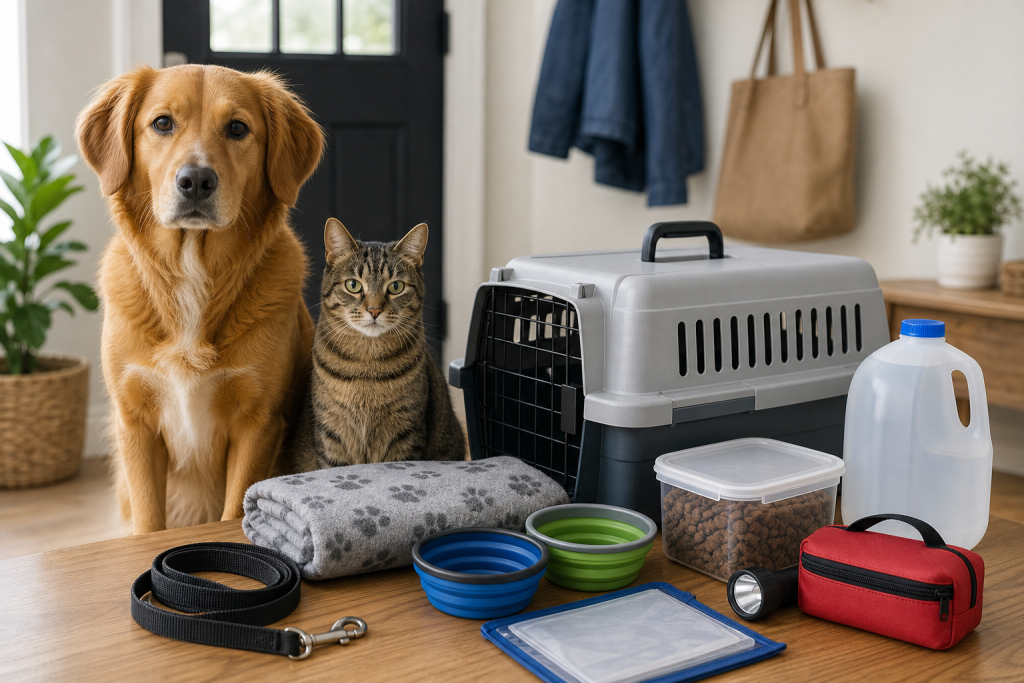
The CDC’s pet disaster kit checklist includes documents, a two-week supply of food and water, feeding instructions, medications when applicable, flea, tick and heartworm preventives, ID gear, litter supplies for cats, an appropriate carrier and a pet first aid book or kit. That is much broader than many bargain kits sold as emergency bundles.
So the deal question is simple: does the bundle reduce real prep work, or does it distract you from the items you still have to buy separately?
What to check before buying a pet emergency kit
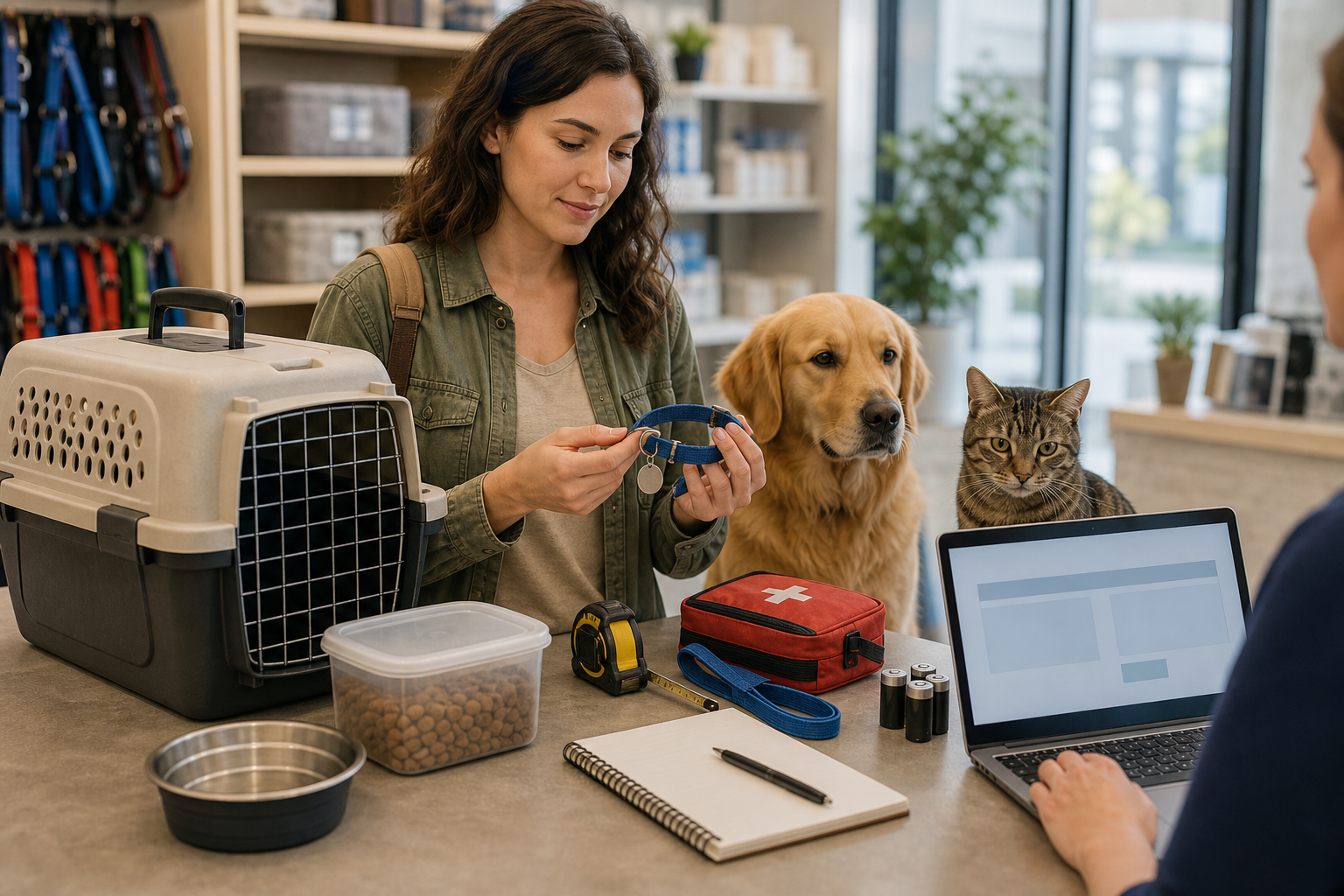
Start with your pet, not the product photo. A useful kit for a senior cat, a large dog, a diabetic pet or a multi-pet household will not be the same kit.
- Food and water capacity: CDC recommends a two-week supply of food and water for each animal. If a kit only includes a sample bowl or tiny pouch, treat it as an accessory, not a complete plan.
- Medication and instructions: If your pet takes medication, ask your veterinarian what can safely be kept ready and how often it should be rotated. Do not buy unfamiliar medicines or supplements just because they are bundled.
- Documents: Look for waterproof storage or add it yourself. Records should include vaccination details, prescriptions, ownership or adoption proof, microchip information, photos and emergency contacts.
- Carrier fit: The carrier must fit the pet you actually have. If you may need to evacuate, a cheap carrier that is too small, flimsy or impossible to clean is not a savings win.
- Bowls and can opener: Collapsible bowls are useful, but canned food needs a manual opener unless the cans are pull-tab. Small details matter when power and routines are disrupted.
- Cat-specific supplies: Cats need litter, a litter pan or emergency litter setup, secure transport and familiar bedding. A dog-first kit may miss these.
- First aid basics: A pet first aid kit can help you respond while arranging veterinary care, but it should not encourage guesswork with wounds, poisoning, breathing issues or severe symptoms.
- Expiration dates: Check dates on food, treats, wipes, saline, medications and batteries. A clearance kit can be a poor deal if half of it expires soon.
The checkout mistake: buying the most pieces
Piece counts are easy to inflate. A kit can advertise dozens of items by counting every bandage, wipe or plastic bag separately. That does not tell you whether it includes the higher-value items you may need, such as a sturdy container, document pouch, pet-safe thermometer, spare leash, waste bags, gloves, flashlight, batteries, non-spill dishes and a printed emergency contact sheet.
Before paying, compare the bundle against a checklist from CDC, Red Cross or your veterinarian. If you already own several items, buying a pre-packed kit may create duplicates while still leaving the expensive gaps untouched. In many cases, the stronger deal is a smaller first aid kit plus separate purchases for carrier, food storage, water, ID tags and species-specific supplies.

Deal and coupon checks before you pay
Do not let a coupon code choose the kit. Emergency supplies are the wrong place to chase a discount without checking what is inside, what expires and whether it fits your pet.
- Read the full contents list: If the retailer only shows a lifestyle image and a vague “survival supplies” claim, skip it or contact the seller.
- Check return terms: Some supplies may be final sale, opened items may not be returnable and oversized carriers may have different shipping rules.
- Watch subscriptions: If food, preventives, calming products or supplements are bundled into autoship, check the renewal date before checkout.
- Avoid mystery medical items: A kit should not push unverified medications, CBD-style products or treatment claims. Ask your vet before adding pet medications or supplements.
- Price the missing items: The real cost is the kit plus the supplies you still need. A cheap bundle can become expensive after you add food, water, documents, carrier and cat litter.
What to avoid
Avoid kits that imply they can replace veterinary care. The American Red Cross encourages pet first aid training and app-based preparedness, but first aid knowledge is about responding appropriately and knowing when an emergency needs professional help. A kit is not a diagnosis tool.
Also avoid any kit that uses fear marketing without clear contents. Disaster preparedness is practical, not panic shopping. You want supplies that are easy to carry, easy to restock and familiar enough that you can use them calmly.
For cats, avoid leaving the carrier purchase until the last minute. A cat that has never seen the carrier may be much harder to move during an evacuation. For dogs, avoid relying on a single leash or collar with outdated ID. Microchip details and visible ID should be current before you need them.
A practical build-your-own shopping list
If a pre-packed deal does not pass the checklist, build the kit yourself. Keep it in a sturdy container or bag you can grab quickly.
- Two weeks of your pet’s normal food in waterproof storage, rotated before it expires.
- Two weeks of water for each pet, plus bowls.
- Medication instructions and a vet-approved medication plan, if applicable.
- Copies of vaccination records, prescriptions, microchip details, photos and ownership records.
- Leash, harness or collar with current ID.
- Appropriate carrier with bedding or towel.
- Cat litter and a portable litter setup for cats.
- Waste bags, paper towels, disinfectant and cleaning supplies.
- Pet first aid kit, first aid reference and emergency vet contact details.
- Flashlight, batteries and a printed plan in case your phone is not charged.
FAQ
Is a pre-made pet emergency kit worth buying?
It can be worth buying if it covers useful basics and the price still makes sense after you add pet-specific food, water, records, medications, carrier and ID supplies. If it is mostly small filler items, build your own.
How often should I check the kit?
Check it at least every few months and before storm, wildfire or travel season in your area. Rotate food, water, batteries, wipes and anything with an expiration date.
Should I include medications?
Ask your veterinarian. Medication storage, quantity and rotation depend on your pet’s health needs and the medicine itself.
Can a pet first aid kit replace emergency vet care?
No. It can help you stay organized while you seek professional care, but serious injury, poisoning signs, breathing trouble, collapse, seizures or severe illness need urgent veterinary guidance.
Sources
Last checked: 2026-06-02 22:32 Europe/Rome.
- CDC, Build a Pet Disaster Preparedness Kit
- FDA, Pet Emergency Preparedness Kit: Don’t Fail to Plan
- American Red Cross, Pet Disaster Preparedness and Recovery
- American Red Cross, Learn Pet First Aid for Emergencies
- AVMA, Pet First Aid Kit Checklist
- NOAA Climate Prediction Center, 2026 Atlantic Hurricane Season Outlook