
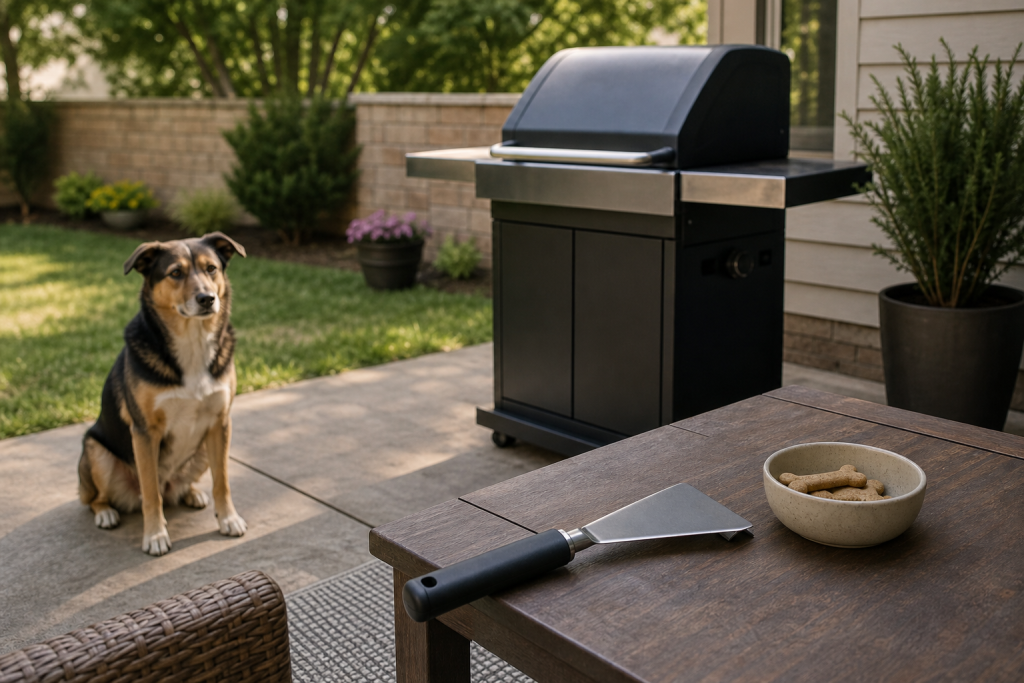
#dog barbecue safety
#grill brush recall
#pet safety
#pet supply deals
The grill-brush recall matters to pet owners because loose metal bristles can stick to food, and dogs are often the ones waiting for dropped scraps. The current CPSC recall is about Cuisinart metal wire-bristle grill brushes, but the checkout lesson is broader: do not treat a cheap grill brush, a barbecue tool set or leftover grilled meat as harmless without checking the bristle risk first. If you cook around pets, replace risky wire-bristle tools and keep barbecue scraps out of the dog bowl.
Why This Matters Right Now
The U.S. Consumer Product Safety Commission lists a July 2, 2026 recall for Cuisinart metal wire-bristle grill brushes imported by Conair. On August 29, 2026, the CPSC recall page was still active and news coverage was highlighting the issue ahead of late-summer cookouts. The CPSC says small wire bristles can detach, stick to the grill or food, and create an ingestion hazard.
This is not a pet-food recall. It is a grill-accessory recall with a pet-shopping angle, because many owners buy cookout supplies, outdoor toys and dog treats in the same weekend cart. The mistake is cleaning the grill with a recalled or worn wire brush, then handing the dog a trimmed piece of meat, a dropped burger bite or a plate scrape without thinking about what might be stuck to it.
What The CPSC Recall Says
The CPSC recall covers Cuisinart metal wire-bristle grill brushes with black plastic, stainless steel and wood handles. The agency lists several affected brush model numbers and notes that some were sold as part of grill tool sets. The recall page says the products were sold at Burlington, TJ Maxx and Ross stores, and online including Amazon.com and Cuisinart.com, from June 2009 through March 2026.
The CPSC says Conair is aware of at least 54 reports and reviews involving small wire bristles detaching from the brushes. It also reports three cases where consumers swallowed metal bristles and sought medical treatment to remove them from the digestive tract or throat. Consumers are told to stop using recalled grill brushes immediately and contact Conair for the recall remedy.
For pet owners, the important part is not the brand name alone. It is the product type and the failure mode. Any wire-bristle grill brush can become a problem if bristles loosen, break off and remain on the grate where food touches them.
The Checkout Mistake Before A Dog Gets Scraps
A bristle-free scraper, grill stone, coil-style cleaner or nylon brush can still be a bad buy if it is the wrong tool for your grill, but the bigger mistake is buying another cheap wire brush because it looks familiar. Before you add a grill-cleaning tool to a pet-household cart, check the cleaning surface, the replacement schedule and whether the package relies on metal wire bristles.
Use this quick buying check:
- Look for the exact brush type, not just the word “grill cleaner.”
- Search the brand and model number against the CPSC recall page before buying a discounted tool set.
- Avoid old wire-bristle brushes with bent, rusty or shedding wires.
- Check whether a brush came bundled inside a grill tool kit, not only whether it was sold alone.
- Choose a cleaning tool that matches your grill grate material and the manufacturer’s cleaning instructions.
- Keep the grill area, trash bag and meat scraps out of your dog’s reach during and after cooking.
Why Scraps Are Not A Safe Workaround
Some owners think a tiny bite of plain grilled meat is safer than a commercial treat because they can see what is in it. That logic breaks down when food has touched a grill cleaned with a shedding wire brush. A bristle can be hard to spot, and a dog will not inspect a scrap before swallowing it.
ASPCA guidance on barbecue hazards also warns owners to keep pets away from the grill, avoid offering table scraps and watch out for fatty foods, sauces, seasonings, bones, corn cobs, skewers and other foreign-body risks. That makes the best cookout treat plan boring but useful: feed the normal diet, use regular pet treats if needed and secure the trash before the dog patrols the patio.
Deal And Coupon Checks
A clearance grill brush is not a deal if it is recalled, old stock or bundled with a tool you should not use around food. If the price looks unusually low, check whether the listing shows a model number, brush style and seller. Marketplace listings can reuse old photos, and a tool-set photo may not show every included brush clearly.
Before paying, verify three things. First, confirm the product is not on the CPSC recall page. Second, read the return policy before opening or using a grill tool, especially if you are buying through a third-party marketplace seller. Third, do not let a free-shipping threshold push you into adding a cheap wire brush or novelty barbecue tool you do not need.
If you already own a potentially affected Cuisinart brush, use the recall instructions from CPSC or Conair rather than relying on a store associate’s memory. Keep order records, model information and photos until the remedy is resolved.
What To Avoid Around Pets
Avoid scraping the grill, wiping the grate quickly and then assuming the surface is clean enough for dog-safe scraps. Avoid giving dogs bones, corn cobs, wooden skewers, greasy trimmings or sauced meat from a cookout plate. Avoid leaving a used brush on the patio where a curious dog can chew the handle or head.
Do not try to diagnose a swallowed bristle at home. If you think your dog ate metal, bone, skewers, corn cob pieces or another hazardous barbecue item, contact your veterinarian or a pet poison-control resource promptly. The article’s shopping advice is prevention: keep the risky tool out of the cart, out of the grill area and out of the trash.
A Safer Cookout Cart
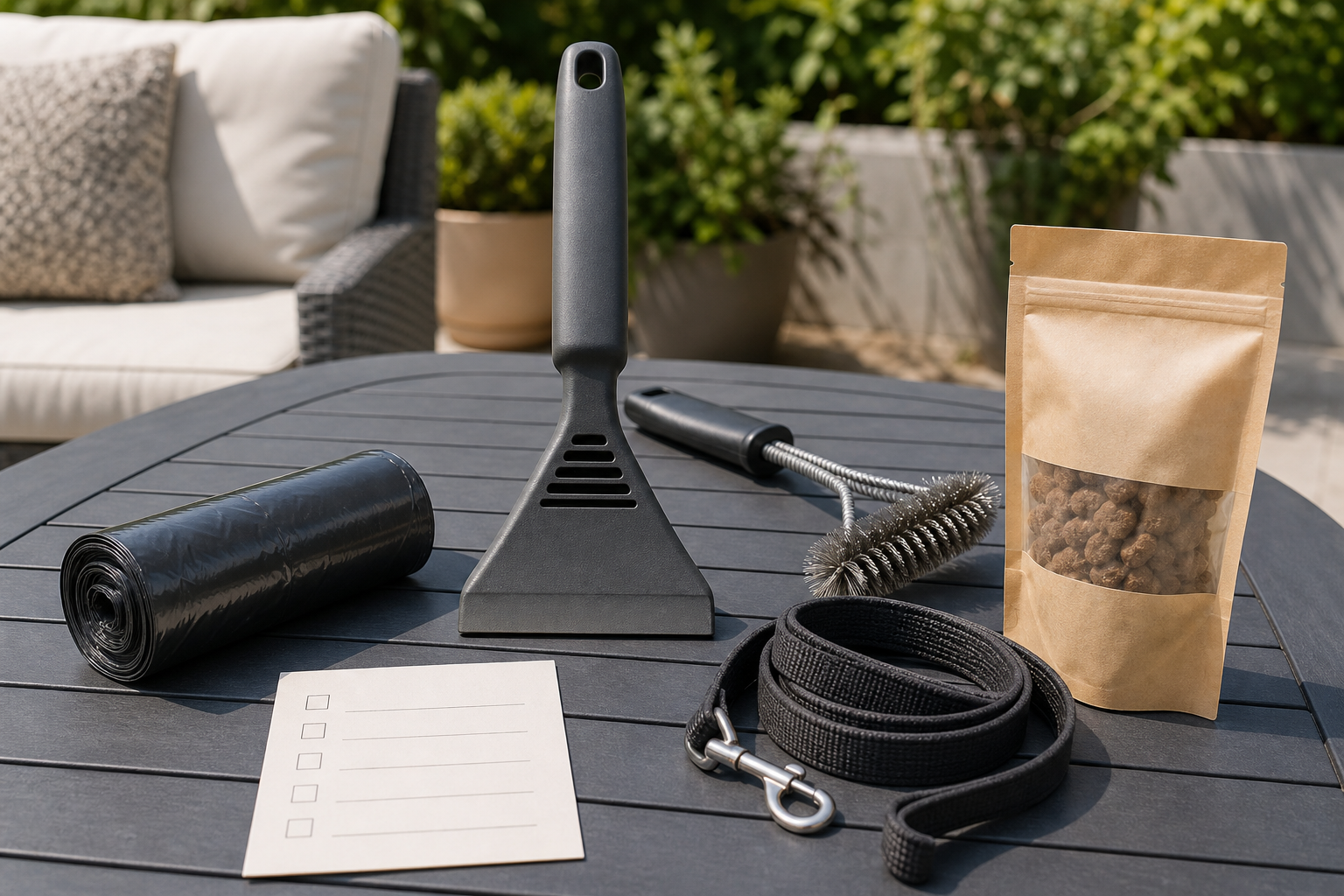
For a pet household, a safer barbecue cart is not complicated. Buy a bristle-free grill-cleaning option that suits your grill, a lidded trash container or sturdy outdoor trash bags, normal dog treats, water bowls and a leash or gate setup that keeps pets away from the hot grill. If you host often, add a simple note to your party setup: guests should not feed the dog from the grill or table.
That does not mean every cookout needs specialty pet gear. The best savings may be skipping the novelty “dog barbecue” products and spending the money on ordinary controls that prevent access to hot surfaces, trash and dropped food. A cheaper brush is not cheaper if it increases a risk you could remove at checkout.
Quick Answers
Is this a dog food recall?
No. The current CPSC recall is for Cuisinart metal wire-bristle grill brushes. It matters to dog owners because detached bristles can stick to food, and dogs are commonly offered or steal barbecue scraps.
Should I throw away every grill brush?
Check the exact product against the CPSC recall page first. More broadly, replace worn or shedding wire-bristle brushes and consider a bristle-free cleaning tool that fits your grill.
Can I inspect grilled meat before giving it to my dog?
Visual inspection is not a reliable safety plan. A tiny wire bristle can be difficult to see, and ASPCA barbecue guidance already recommends keeping pets away from grill scraps and sticking to their normal diet.
What should I check before buying a replacement?
Check the model number, brush material, seller, return terms and grill compatibility. For pet households, also think about storage: the tool should not be left where a dog can chew it.
Sources
Sources last checked: August 29, 2026, 07:38 CEST, Europe/Rome.
- CPSC, Conair Recalls Over One Million Cuisinart Grill Brushes Due to Ingestion Hazard: https://www.cpsc.gov/Recalls/2026/Conair-Recalls-Over-One-Million-Cuisinart-Grill-Brushes-Due-to-Ingestion-Hazard
- CPSC, Recalls and Product Safety Warnings: https://www.cpsc.gov/Recalls
- ASPCA, What BBQ Staples are Dangerous to My Pet?: https://www.aspca.org/news/what-bbq-staples-are-dangerous-my-pet
- ASPCA, People Foods to Avoid Feeding Your Pets: https://www.aspca.org/pet-care/aspca-poison-control/people-foods-avoid-feeding-your-pets
- Government of Canada, Injuries related to barbecue brush bristle ingestion/inhalation: https://health-infobase.canada.ca/datalab/bbq-blog.html